Smart Water Sensors: A Complete Overview with Practical Insights and Essential Knowledge
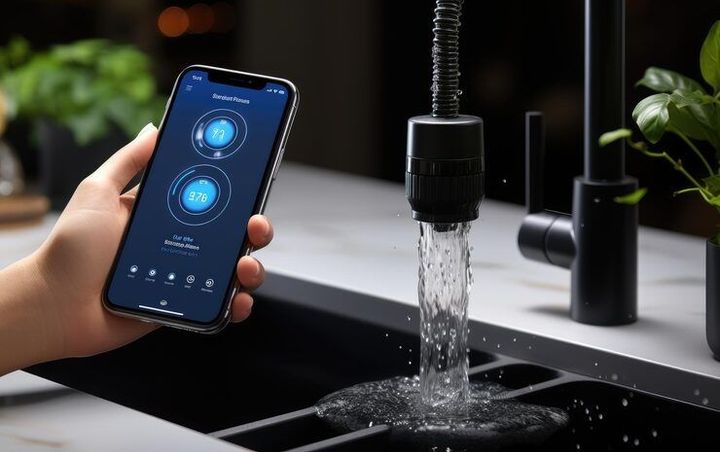
Smart water sensors are digital monitoring devices that track water flow, leakage, quality, moisture, and consumption using Internet of Things (IoT) technology. They measure parameters such as pH, temperature, pressure, turbidity, and chemical levels, depending on the application
As global water demand increases and leak-related losses continue to rise, the need for real-time monitoring has become essential. Smart water sensors provide continuous data, automated alerts, and accurate insights to help reduce waste, detect faults, protect assets, and support sustainable water management practices.
Rapid urban development, aging infrastructure, climate-driven water scarcity, and increased adoption of smart home systems all contribute to the growing need for digital water monitoring technologies.

Importance: Why Smart Water Sensors Matter Today
Smart water sensors play a significant role in modern infrastructure and daily life. Their importance continues to grow because they address issues that affect households, industries, and public utilities.
Key reasons why they matter
-
Leak detection: Undetected leaks cause millions of liters of water loss globally. Sensors identify leaks early and prevent structural damage.
-
Water conservation: Real-time monitoring helps reduce unnecessary water usage and supports conservation initiatives.
-
Quality monitoring: Sensors track contamination, ensuring water remains safe for domestic, industrial, and agricultural use.
-
Infrastructure protection: Continuous data prevents issues such as burst pipes, low pressure, and equipment failure.
-
Smart home integration: These sensors connect with IoT hubs, enabling automation, notifications, and remote monitoring.
-
Industrial monitoring: Food processing, pharmaceuticals, and manufacturing rely on precise water quality and flow measurements.
-
Environmental monitoring: They are used in rivers, lakes, and groundwater wells for ecological assessments.
Who benefits from smart water sensors?
-
Homeowners & apartment complexes
-
Water utility companies
-
Industrial plants & processing units
-
Hotels, hospitals, and large buildings
-
Agriculture & irrigation networks
-
Environmental researchers
-
Municipal water departments
Problems smart water sensors help solve
-
Water leakage and wastage
-
Contamination and unsafe water quality
-
High energy use in pumping systems
-
Aging pipelines and distribution failures
-
Inefficient irrigation and crop damage
-
Manual monitoring delays
-
Unpredictable water supply fluctuations
Their growing usage reflects a shift toward data-driven water management, an essential part of sustainable development.
Recent Updates: Innovations, Trends, and Developments (2023–2025)
The past two years have seen major advancements in smart water monitoring. Below are notable changes and trends:
Key Developments (2023)
-
Increasing adoption of AI-based prediction models for leak detection by municipal water departments.
-
New low-power wireless standards (LPWAN, NB-IoT) improving sensor battery life beyond 10 years.
-
Growth in ultrasonic and electromagnetic flow measurement for non-intrusive monitoring.
Progress in 2024
-
Many global smart home ecosystems (including open-standard Matter 1.3 announced in April 2024) began supporting more water sensors, improving device compatibility.
-
Industrial facilities adopted cloud-based water analytics, helping reduce downtime and improve reporting accuracy.
-
A rise in smart irrigation systems using soil moisture and water flow sensors, particularly in agriculture.
Emerging Trends in 2025
-
Increased integration of Generative AI for water consumption analytics, allowing predictive maintenance and anomaly detection.
-
Adoption of micro-sensors capable of detecting chemical pollutants at lower concentrations.
-
Expansion of smart water grid projects in Asia, Europe, and North America as part of urban modernization programs.
These updates indicate continuous technological growth, with sensors becoming more accurate, interconnected, and energy-efficient.
Laws or Policies: Regulations and Government Programs Affecting Smart Water Sensors
Water monitoring is influenced by national standards, utility guidelines, and environmental regulations. While specific rules differ by country, several common policy areas affect how sensors are used.
Water Quality Regulations
Many countries follow guidelines similar to:
-
WHO Drinking Water Quality Standards
-
EPA Water Quality Regulations (United States)
-
BIS IS 10500 Drinking Water Standards (India)
These frameworks encourage the use of digital monitoring tools in treatment plants and distribution networks.
Smart Infrastructure Policies
Governments investing in smart cities often include water monitoring as a requirement.
Examples include:
-
India’s Smart Cities Mission – Encourages IoT-based water supply monitoring.
-
EU Water Framework Directive – Promotes real-time quality and leakage assessment.
-
U.S. Infrastructure Investment and Jobs Act (2021–present funding) – Supports modernization of water systems, including sensor-based monitoring.
Agriculture Water Efficiency Programs
Many nations offer incentives for irrigation monitoring using moisture and flow sensors, helping reduce water consumption in fields.
Industrial Compliance Standards
Food, pharmaceutical, and manufacturing industries follow various standards (ISO 46001, ISO 14046, HACCP water requirements), encouraging automated water monitoring.
Overall, while not always mandatory, smart water sensors strongly support compliance with environmental and safety regulations worldwide.
Tools and Resources: Helpful Platforms, Applications, and References
Below are practical tools and resources that can support understanding, monitoring, or analyzing water-related data.
Monitoring Apps and Platforms
-
IoT dashboards (Home Assistant, SmartThings, Google Home)
-
Water usage analytics apps
-
Leak and moisture detection platforms
Water Quality Reference Tools
-
WHO Water Quality Database
-
EPA Water Quality Data Portal
-
Global Water Intelligence Reports
Engineering & Calculators
-
Flow rate calculator tools
-
pH and turbidity reference charts
-
Pressure drop calculators
-
Smart irrigation scheduling tools
Learning Resources
-
Online IoT documentation (MQTT, NB-IoT, LoRaWAN)
-
Smart home integration guides
-
Environmental monitoring courses
-
Government open-data water portals
Sample Table: Key Sensor Parameters & Their Use
| Parameter Monitored | Purpose | Common Applications |
|---|---|---|
| Flow Rate | Detects leaks, blockages | Homes, pipelines |
| Pressure | Identifies bursts & pump issues | Utilities, industries |
| pH & Conductivity | Measures water chemistry | Labs, agriculture |
| Temperature | Tracks heating & storage systems | Buildings, processing |
| Turbidity | Detects contamination | Treatment plants |
These tools help users better understand water data and support informed decision-making.
FAQs
1. What does a smart water sensor do?
A smart water sensor monitors water flow, quality, or moisture and sends real-time alerts when it detects abnormalities such as leaks, pressure drops, or contamination.
2. Where are smart water sensors commonly used?
They are used in homes, commercial buildings, industrial facilities, agricultural irrigation systems, and municipal water networks.
3. Do smart water sensors need Wi-Fi or IoT connectivity?
Most sensors use Wi-Fi, Bluetooth, LoRaWAN, NB-IoT, or other low-power communication technologies for remote access and alerts.
4. Can these sensors help reduce water consumption?
Yes. By identifying leaks, monitoring patterns, and providing usage insights, smart water sensors support efficient water management.
5. What types of data do water sensors collect?
Depending on the model, they may collect flow rate, pH, turbidity, pressure, temperature, conductivity, moisture levels, and chemical indicators.
Conclusion
Smart water sensors play an increasingly important role in modern homes, industries, and water management systems. They provide real-time insights that help reduce leakage, improve safety, monitor quality, and support sustainable water usage. With rapid advancements in IoT connectivity, artificial intelligence, and micro-sensor technologies, these devices are becoming more accurate and accessible. Government programs and environmental regulations further encourage the adoption of digital water monitoring, making smart water sensors a key component in the future of water conservation and infrastructure management.