Cold Chain Logistics: Equipment, Standards, and Best Practices
Cold chain logistics refers to the controlled movement, storage, and handling of temperature-sensitive goods across the supply chain. This includes pharmaceuticals, vaccines, fresh produce, frozen foods, dairy products, seafood, chemicals, and biological materials that require precise temperature management to maintain quality, safety, and efficacy
The concept of the cold chain emerged alongside industrial refrigeration in the early 20th century, initially for perishable food transport. Over the decades, cold chain systems have evolved to meet global demands for pharmaceuticals, biotechnology, and highly perishable goods. Today, cold chain logistics is essential for both domestic and international trade, ensuring that sensitive products maintain their intended quality from production to consumption.
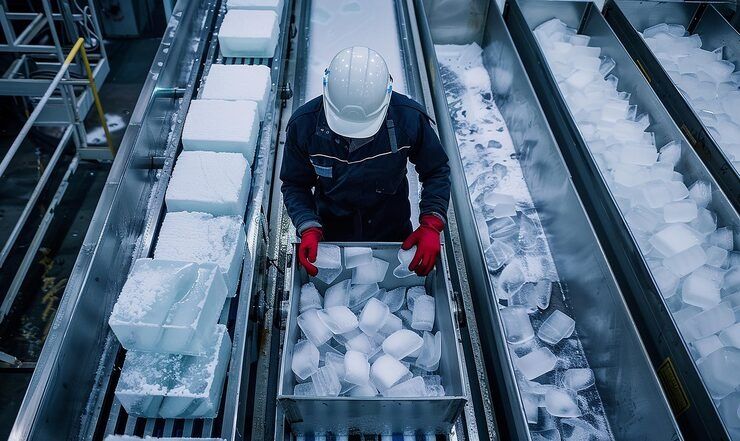
Importance — Why Cold Chain Logistics Matters Today
Cold chain logistics plays a vital role in modern economies, healthcare systems, and food industries. Maintaining proper temperature and handling protocols ensures product integrity, reduces spoilage, and protects public health.
Key reasons why cold chain logistics is crucial:
-
Preserves Product Quality: Temperature-sensitive items, such as vaccines or frozen foods, lose efficacy or freshness when not stored properly.
-
Supports Public Health: Efficient distribution of vaccines and medications depends on reliable cold chains.
-
Reduces Economic Losses: Spoilage of food, pharmaceuticals, and perishable goods due to temperature excursions results in significant financial losses.
-
Enables Global Trade: International exports of perishable goods rely on standardized cold chain systems.
-
Facilitates Compliance: Meeting industry standards prevents regulatory violations and ensures safety.
Industries affected include pharmaceuticals, biotechnology, agriculture, food processing, dairy, seafood, chemicals, and healthcare logistics.
Recent Updates — Trends in Cold Chain Logistics (2024–2025)
The past year has seen notable developments in cold chain technology and practices:
| Trend | Description | Impact |
|---|---|---|
| IoT and Real-Time Monitoring | Integration of sensors and cloud-based tracking for temperature, humidity, and location. | Minimizes risk of temperature excursions and improves traceability. |
| Smart Packaging | Use of phase change materials, vacuum-insulated panels, and reusable thermal containers. | Enhances efficiency in last-mile delivery and international shipments. |
| Automation in Warehousing | Robotic storage and retrieval systems for cold storage facilities. | Increases operational efficiency and reduces manual handling errors. |
| Renewable Energy Integration | Solar-powered refrigeration and energy-efficient equipment adoption. | Reduces environmental footprint and operational costs. |
| Blockchain Traceability | Digital ledger systems for tracking shipments end-to-end. | Improves transparency, prevents counterfeiting, and ensures compliance. |
The adoption of advanced refrigeration technologies and digital monitoring tools is expanding across both developed and emerging markets.
Laws or Policies — Regulatory Frameworks for Cold Chain Logistics
Cold chain logistics is heavily regulated to ensure product safety and compliance across industries. In India, several regulations and guidelines govern cold chain operations:
-
Food Safety and Standards Authority of India (FSSAI): Sets standards for handling, storage, and transportation of perishable foods.
-
Pharmaceutical Guidelines: Compliance with Good Distribution Practices (GDP) ensures safe handling of medicines and vaccines.
-
Municipal Regulations: Local authorities regulate waste disposal from packaging and cold storage operations.
-
Environmental Rules: Regulations on energy use, refrigerant handling, and emissions help reduce environmental impact.
Globally, organizations such as the World Health Organization (WHO), IATA (International Air Transport Association), and ISO (International Organization for Standardization) define standards for temperature-controlled logistics:
-
WHO GDP Guidelines: Provide protocols for storing and transporting pharmaceuticals safely.
-
IATA Temperature Control Regulations: Govern air transport of perishable and pharmaceutical products.
-
ISO 22000: Food safety management system covering cold chain practices.
Adherence to these regulations ensures safety, product efficacy, and legal compliance.
Tools and Resources — Supporting Cold Chain Logistics
Efficient cold chain management relies on a combination of equipment, software, and digital tools:
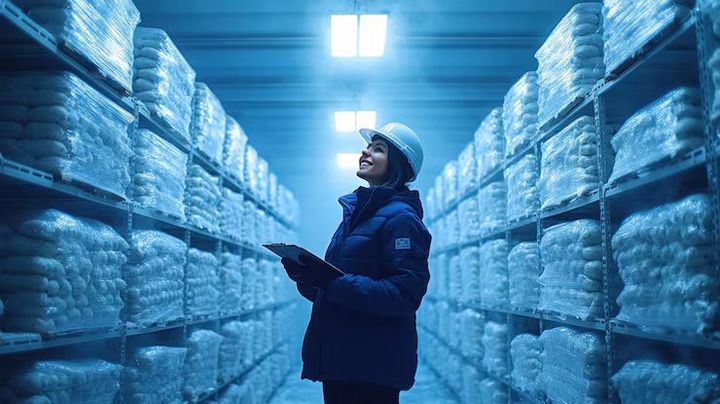
Cold Storage Equipment
-
Chilled storage units (0°C to +15°C)
-
Frozen storage units (-18°C or below)
-
Ultra-low temperature and cryogenic storage (-40°C to -196°C)
Refrigerated Transport
-
Refrigerated trucks (reefers)
-
Refrigerated sea containers
-
Air cargo temperature-controlled units
-
Refrigerated rail cars
Temperature Monitoring Tools
-
IoT sensors for temperature, humidity, and location
-
GPS-based real-time tracking
-
Data loggers for audit trails
-
Cloud-based monitoring and analytics platforms
Packaging Solutions
-
Phase Change Material (PCM) packs
-
Insulated boxes and vacuum panels
-
Dry ice packaging for ultra-low temperature products
-
Telemetry-enabled packaging for real-time monitoring
Digital Platforms
-
Cold chain management software for inventory and route tracking
-
Alerts and notifications for temperature deviations
-
Integration with ERP systems for inventory and compliance reporting
These tools help maintain temperature integrity, improve efficiency, and meet global compliance standards.
FAQs — Common Questions About Cold Chain Logistics
1. What is the primary purpose of cold chain logistics?
Cold chain logistics ensures the safe handling, storage, and transportation of temperature-sensitive products to preserve quality, efficacy, and safety.
2. What industries rely on cold chain systems?
Pharmaceuticals, biotechnology, food and beverages, dairy, seafood, chemicals, and healthcare logistics heavily depend on cold chain management.
3. What temperature ranges are commonly maintained in cold chains?
-
Chilled products: 0°C to +15°C
-
Frozen products: -18°C or below
-
Ultra-low temperature/cryogenic: -40°C to -196°C
4. How does technology improve cold chain efficiency?
IoT sensors, real-time monitoring, smart packaging, and automation reduce risk of temperature excursions, streamline logistics, and ensure regulatory compliance.
5. What are the risks of improper cold chain management?
Temperature fluctuations, poor handling, and inadequate storage can lead to spoilage, loss of potency in medicines, product recalls, financial losses, and health hazards.
Conclusion
Cold chain logistics is a critical component of modern supply chains that supports pharmaceuticals, food, biotechnology, and chemical industries. By combining advanced refrigeration systems, efficient transportation, smart packaging, IoT-based monitoring, and adherence to regulations, businesses can ensure safe and efficient movement of temperature-sensitive goods.