Explore Oil Cooled Transformers: Insights into Function, Efficiency, and Care
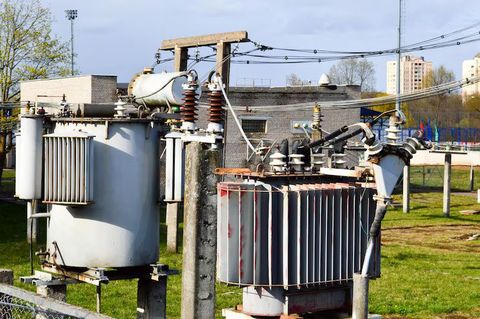
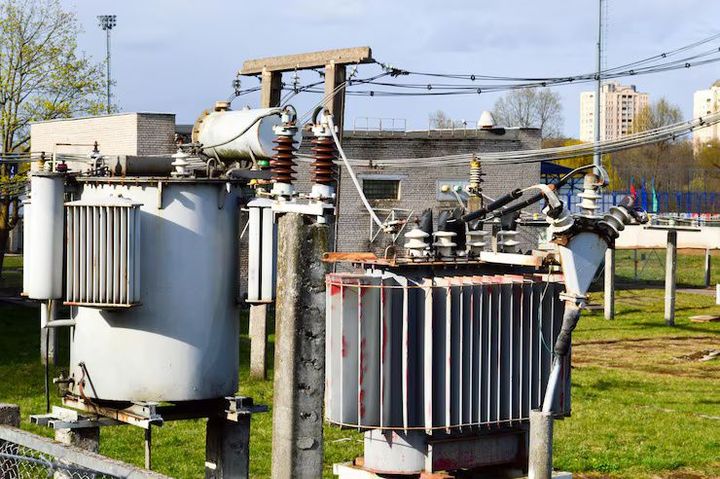
An oil cooled transformer is an electrical device that transfers energy between circuits through electromagnetic induction while using insulating oil to regulate temperature. The oil acts as both a coolant and an insulator, ensuring stable operation and extended equipment life
Transformers are key components in power distribution networks, converting high-voltage electricity to lower, usable levels for homes, industries, and commercial facilities. The cooling method—oil or air—plays a crucial role in determining efficiency and durability.
Oil cooled transformers have been widely used for decades in industrial plants, substations, and renewable energy systems because they can handle higher loads and offer better thermal management than dry-type models.
Importance — Why Oil Cooled Transformers Matter
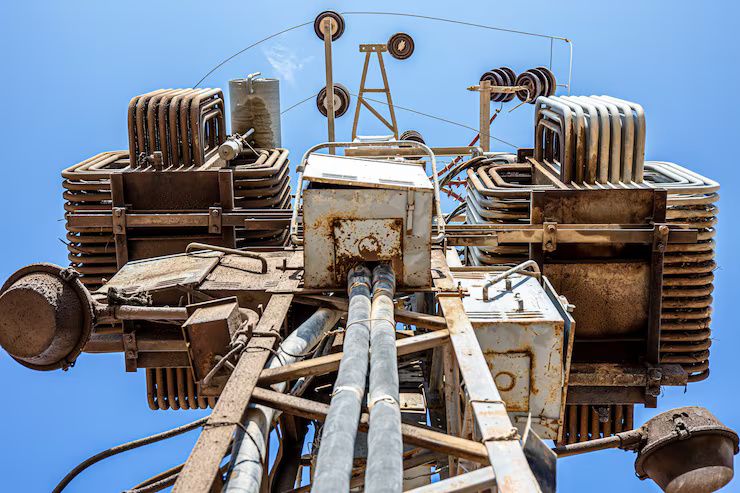
As global demand for stable electricity continues to rise, oil cooled transformers play a vital role in maintaining grid reliability, operational safety, and energy efficiency.
Their importance can be summarized through these key benefits:
-
Superior Cooling Efficiency: Transformer oil effectively dissipates heat generated in coils and cores.
-
High Load Capacity: Suitable for continuous, high-power operations in industrial and utility applications.
-
Extended Lifespan: Properly maintained oil systems can last several decades.
-
Stable Insulation Properties: The oil enhances dielectric strength, preventing short circuits.
-
Reduced Equipment Stress: Maintains consistent temperature and prevents overheating damage.
From large power stations to manufacturing units, oil cooled transformers ensure uninterrupted energy supply under demanding conditions.
Recent Trends and Technological Updates (2024–2025)
The transformer industry has seen innovations aimed at improving efficiency, safety, and environmental compliance.
| Trend | Description | Impact |
|---|---|---|
| Natural Ester Fluids | Replacement for traditional mineral oils with biodegradable alternatives. | Improves fire safety and reduces environmental risk. |
| Smart Monitoring Systems | IoT-enabled sensors track temperature, oil quality, and load in real time. | Prevents failures and supports predictive maintenance. |
| Low-Loss Core Materials | Use of amorphous metal cores to minimize energy losses. | Enhances efficiency and lowers operating costs. |
| Compact and Modular Designs | Space-saving units suitable for urban and renewable installations. | Simplifies installation and maintenance. |
| Integration with Renewable Grids | Transformers optimized for wind and solar applications. | Enables flexible and stable power delivery. |
Modern oil cooled transformers are increasingly intelligent, sustainable, and adaptive to changing energy demands.
Laws, Standards, and Safety Regulations
Transformer design, oil type, and performance are regulated by international and national standards to ensure operational safety and reliability.
Major Standards and Guidelines Include:
-
IEC 60076 Series: Specifies general requirements for power transformers.
-
IEEE C57 Standards: Covers testing, insulation, and thermal performance guidelines.
-
Bureau of Indian Standards (IS 1180 & IS 2026): Defines efficiency, cooling classification, and design norms for Indian networks.
-
ISO 9001: Ensures quality management and consistency in manufacturing.
-
Environmental Rules: Govern safe handling and disposal of transformer oils, especially mineral-based fluids.
These frameworks ensure transformers meet electrical safety, environmental, and performance benchmarks in industrial and utility use.
Function and Working Principle
An oil cooled transformer operates on the principle of electromagnetic induction. It consists of two main windings — the primary and secondary — wound around a laminated steel core. When alternating current (AC) passes through the primary winding, it creates a magnetic field that induces voltage in the secondary winding.
During this process, electrical resistance and magnetic flux generate heat. The transformer oil absorbs this heat and circulates it toward cooling surfaces or radiators, maintaining safe operating temperatures.
Cooling Methods in Oil Cooled Transformers
| Cooling Type | Full Form | Description |
|---|---|---|
| ONAN | Oil Natural Air Natural | Natural oil and air circulation for small to medium units. |
| ONAF | Oil Natural Air Forced | Oil circulates naturally; air cooling is fan-assisted. |
| OFAF | Oil Forced Air Forced | Both oil and air circulation are mechanically driven. |
| OFWF | Oil Forced Water Forced | Used in large transformers where water cooling is required. |
Each cooling method is chosen based on transformer size, installation environment, and power load.
Design and Construction Insights
An oil cooled transformer includes several key components that ensure optimal function and safety:
| Component | Purpose |
|---|---|
| Core | Made of laminated steel sheets to minimize energy loss. |
| Windings | Copper or aluminum conductors carrying electrical current. |
| Transformer Oil | Provides cooling and electrical insulation. |
| Conservator Tank | Maintains oil volume as it expands or contracts. |
| Radiators | Allow heat dissipation through air or fluid circulation. |
| Buchholz Relay | Detects gas accumulation from internal faults. |
| Breather (Silica Gel Unit) | Removes moisture from air entering the conservator. |
Proper design and maintenance of each part are critical for efficiency and safety.
Efficiency and Performance Factors
Transformer efficiency is determined by the ratio of output power to input power, typically ranging from 98% to 99.5% for high-quality oil cooled units.
Key Efficiency Factors Include:
-
Core Material: Amorphous cores reduce magnetic losses.
-
Oil Quality: Clean, moisture-free oil improves insulation and heat transfer.
-
Load Level: Optimal efficiency at 70–90% of rated load.
-
Cooling System Design: Adequate radiator sizing and airflow ensure stable temperatures.
-
Maintenance Practices: Regular inspection reduces dielectric breakdowns and oil degradation.
Routine oil testing and filtration keep the system operating efficiently for years.
Tools, Equipment, and Maintenance Resources
Monitoring and maintenance tools play a vital role in transformer reliability.
Common Tools Include:
-
Oil Testing Kits: Measure dielectric strength, moisture, and acidity levels.
-
Thermal Imaging Cameras: Detect hotspots or uneven cooling.
-
Buchholz Relay Test Equipment: Ensures fault detection accuracy.
-
Online Condition Monitoring Systems: Track oil temperature, dissolved gas, and winding temperature.
-
Oil Filtration Units: Restore oil properties by removing moisture and contaminants.
Recommended Resources:
-
IEC Transformer Handbook
-
IEEE Transformer Maintenance Guide
-
Online oil testing calculators for predictive diagnostics
Care and Maintenance Best Practices
Routine maintenance is essential to extend the service life and prevent operational failures.
Maintenance Checklist:
-
Inspect oil levels in conservator tanks monthly.
-
Replace or regenerate transformer oil every 3–5 years based on test results.
-
Check for leaks in radiators and joints.
-
Ensure breather silica gel is active and dry.
-
Monitor load balance to prevent overheating.
-
Record temperature and voltage readings daily for large installations.
Oil Testing Parameters:
| Parameter | Ideal Range | Purpose |
|---|---|---|
| Dielectric Strength | > 30 kV | Measures insulation capability. |
| Moisture Content | < 20 ppm | Prevents insulation failure. |
| Acidity Level | < 0.3 mg KOH/g | Indicates oil degradation. |
| Flash Point | > 140°C | Ensures safety under load. |
Maintaining these parameters helps prevent electrical breakdown and extend transformer life.
Frequently Asked Questions (FAQs)
1. What is the main advantage of oil cooled transformers?
They offer superior heat dissipation, higher load capacity, and longer service life compared to air-cooled transformers.
2. Which oil is used in transformers?
Typically, mineral oil or natural ester oil is used for insulation and cooling, depending on environmental and safety requirements.
3. How often should transformer oil be tested?
Regular oil testing every 6–12 months helps detect moisture, acidity, or contamination early.
4. What causes oil degradation?
Exposure to oxygen, high temperature, and electrical stress can break down oil properties over time.
5. Are oil cooled transformers environmentally safe?
Modern biodegradable ester oils and leak-proof designs significantly reduce environmental risk.
Conclusion
Oil cooled transformers remain a cornerstone of electrical infrastructure, combining efficiency, durability, and safety.
As technology advances, new materials, smart monitoring, and eco-friendly oils continue to enhance transformer performance while meeting global sustainability goals.