Pouch Packing Machines: A Complete Overview of Technology, Types, and Operating Basics
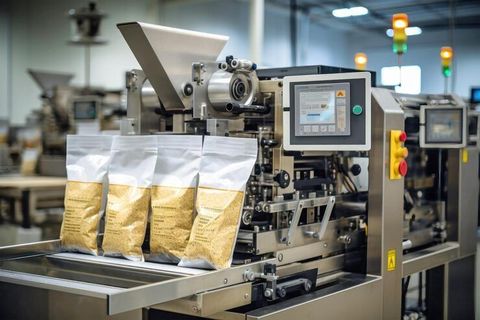
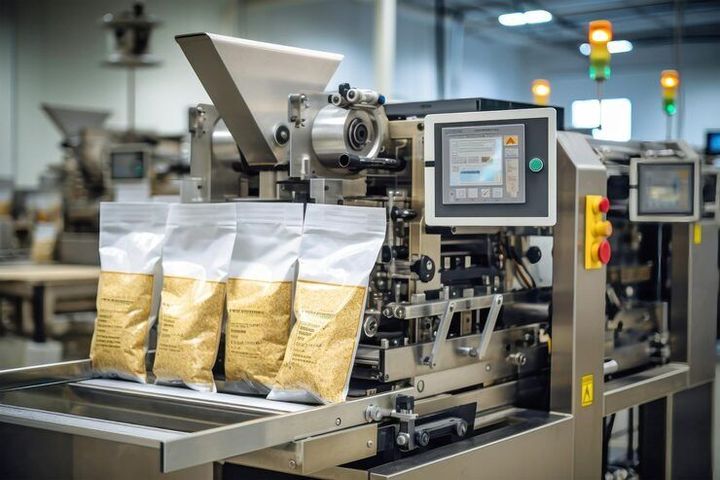
Pouch packing machines are automated systems designed to fill and seal products in flexible pouches. These machines play a central role in packaging industries that handle food items, beverages, powders, granules, liquids, chemicals, and consumer goods
In the early days of packaging, most products were packed manually using simple sealing tools. As markets expanded and regulatory standards strengthened, industries demanded equipment that could provide consistent output, better hygiene, and precise packaging quality. Pouch packing machines emerged to meet these needs. Today, they serve as essential equipment in modern production lines across retail, agriculture, pharmaceuticals, and household product manufacturing.
Context
Pouch packing machines are used to automate the process of forming, filling, and sealing products inside flexible packaging materials. These machines operate using mechanical, electrical, and pneumatic components coordinated through digital control systems. Depending on the design, machines may work with pre-made pouches or create pouches directly from rolls of laminated film.
The primary reason for their existence is to increase packaging efficiency, maintain hygiene, and enable uniformity across large-scale operations. Manual packing is time-consuming and inconsistent, whereas automated pouch packing allows manufacturers to meet high-volume production demands while maintaining standardized quality.
Common types of pouch packing machines include:
-
Vertical Form Fill Seal (VFFS) machines
-
Horizontal Form Fill Seal (HFFS) machines
-
Multi-track pouch packing systems
-
Automatic sachet packing machines
-
Rotary pouch filling and sealing systems
-
Auger filler-based packing machines
-
Liquid filling pouch machines
-
Powder and granule pouch machines
Each type serves different materials and product consistencies, depending on viscosity, particle size, and packaging requirements.
Importance
Pouch packing machines provide multiple advantages that impact industries, supply chains, and consumers.
Efficiency and Productivity
Automated pouch packing machines significantly speed up production by performing forming, filling, and sealing in one continuous process. This increases output for industries with high daily packaging requirements.
Hygiene and Safety
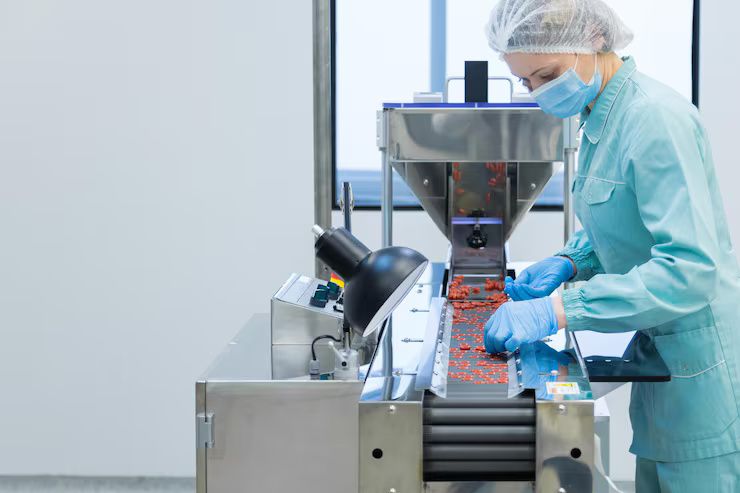
Since many consumable items require contamination-free packaging, pouch packing machines reduce direct human handling. This improves hygiene and supports compliance with food safety and quality standards.
Consistent Packaging Quality
Automated control ensures consistent sealing strength, pouch size, fill volume, and appearance. Uniform packaging is important for product integrity, shelf stability, and brand quality.
Adaptability to Multiple Products
Pouch packing machines can pack powders, liquids, granules, oils, spices, detergents, condiments, seeds, pharmaceuticals, and personal-care products. Their versatility supports multiple industries through the same equipment framework.
Material Efficiency
Flexible pouches often use less material than rigid containers. Pouch packing machines help reduce packaging waste and support sustainable packaging trends.
Extended Shelf Life
Many pouch systems use laminated materials that provide barrier protection against moisture, oxygen, and light. Proper sealing enhances product freshness and storage stability.
Industry 4.0 Compatibility
Modern pouch packing machines now offer:
-
Digital controls
-
Automated diagnostics
-
Smart sensors
-
Real-time data monitoring
These features support predictive maintenance and efficient line management.
Recent Updates (2024–2025)
The packaging industry has seen notable updates in the past year, focusing on digitalization, sustainability, and improved efficiency.
Shift Toward Eco-Friendly Packaging (2024–2025)
Manufacturers increasingly use recyclable, compostable, and biodegradable film materials. Pouch packing machines are being adapted to handle these newer materials while maintaining sealing quality.
Growth of High-Speed Multi-Lane Machines
Multi-track pouch packing systems gained popularity in 2024 due to increasing demand for small sachets in food seasoning, pharmaceuticals, and personal-care segments.
Wider Use of Servo-Based Systems
Servo motors became standard for precise control of sealing pressure, film pulling, and filling accuracy. This update enhances machine performance and reduces material wastage.
Smart Monitoring and IoT Integration
Industries adopted machine monitoring dashboards providing real-time statistics such as:
-
Output rate
-
Seal performance
-
Temperature stability
-
Film usage alerts
This trend supports digital production environments.
Adoption of Monolayer Films
Due to evolving environmental regulations, more companies moved toward single-material (monolayer) pouches. Machines were updated to ensure proper sealing at lower temperatures.
Rising Demand for Liquid Pouch Packing
Ready-to-drink beverages, edible oils, and liquid detergents drove growth in liquid pouch systems, especially in the 2024–2025 period.
Laws or Policies
Pouch packing machines do not have machine-specific laws, but multiple regulations influence their operation and output.
Food Safety and Packaging Regulations
Industries handling edible products must comply with:
-
Food product hygiene guidelines
-
Standards for packaging materials
-
Rules on contamination prevention
-
Proper sealing requirements for perishables
These ensure safe handling of consumable products in retail environments.
Industrial Machinery Safety Standards
Manufacturers must follow workplace safety rules such as:
-
Guarding mechanisms
-
Emergency stop systems
-
Noise and vibration limits
-
Proper handling of electrical and pneumatic components
These protect machine operators during production.
Environmental Regulations
Policies encourage responsible packaging by promoting:
-
Use of recyclable or eco-friendly materials
-
Reduction of industrial packaging waste
-
Proper disposal of leftover laminated films
Compliance supports sustainable production ecosystems.
Calibration and Measurement Standards
Machines responsible for filling regulated products (such as pharmaceuticals or chemicals) must meet national measurement and accuracy requirements. This ensures consistent filling volumes and prevents product deviation.
Labeling and Printing Rules
Pouch packing machines integrated with printing systems must follow guidelines that regulate:
-
Date coding
-
Batch identification
-
Nutritional information (for food items)
-
Storage instructions
These ensure clarity and traceability across supply chains.
Tools and Resources
A variety of tools and resources support the operation, monitoring, and optimization of pouch packing machines.
Digital Monitoring Tools
-
Production line monitoring dashboards
-
Film usage tracking apps
-
Sealing-temperature stability tools
-
Output efficiency calculators
These help maintain stable operation and reduce unplanned downtime.
Design Software
-
Packaging layout design tools
-
Pouch dimension calculators
-
Material compatibility charts
These assist manufacturers in selecting the right pouch structure for their products.
Maintenance Resources
-
Preventive maintenance templates
-
Lubrication charts
-
Machine calibration checklists
-
Wear-part replacement guides
These ensure machines stay in optimum condition.
Training and Learning Platforms
-
Tutorials on packaging machine fundamentals
-
Courses in automation and digital controls
-
Guides for setting sealing parameters
-
Reference documents for pouch materials
These resources benefit engineers, technicians, and students.
Quality Testing Tools
-
Pouch burst testers
-
Seal-strength meters
-
Leak detection devices
-
Film thickness gauges
These tools verify pouch durability and ensure compliance with packaging standards.
FAQs
1. What is a pouch packing machine used for?
A pouch packing machine is used to automatically form, fill, and seal products into flexible pouches. It handles items such as powders, liquids, granules, and pastes across various industries.
2. What types of pouches can these machines handle?
They support multiple pouch formats, including center-seal pouches, three-side seal pouches, stand-up pouches, zipper pouches, and multi-lane sachets.
3. Do pouch packing machines work with eco-friendly films?
Yes. Many modern machines are designed to work with recyclable and compostable laminated films that support sustainability goals.
4. How is accuracy maintained during filling?
Accuracy is supported through sensors, servo motors, controlled dosing systems, and digital monitoring tools that regulate fill volume and seal quality.
5. What industries commonly use pouch packing machines?
They are widely used in food packaging, agriculture, pharmaceuticals, personal care products, chemicals, household goods, and beverage segments.
Conclusion
Pouch packing machines have become essential in modern packaging operations due to their efficiency, precision, and adaptability. They support flexible packaging formats that meet the expectations of global markets, consumer trends, and sustainability requirements. Over the past few years, advancements such as servo-based controls, eco-friendly material compatibility, IoT monitoring, and high-speed multi-lane systems have reshaped the capabilities of these machines.