Discover Electric Mobility Systems: A Guide with Tips, Explanation, and Key Information
Electric mobility systems development refers to the advancement, integration, and improvement of technologies that enable transportation using electric power. These systems include electric motors, high-efficiency batteries, charging infrastructure, energy storage technologies, smart grid integration, and digital monitoring platforms
Electric mobility emerged as a response to rising concerns about environmental impacts, especially greenhouse gas emissions from fossil-fuel transportation. As urban regions expand, the demand for energy-efficient mobility solutions increases. Electric mobility systems address this need by combining engineering, digital innovation, renewable energy, and transportation planning.
Importance: Why Electric Mobility Systems Matter Today
Electric mobility systems are becoming central to modern transportation planning due to several global and local challenges. The growing demand for cleaner mobility options has positioned electric systems as a practical response to climate, energy, and urban development issues.
Electric mobility matters because:
-
It supports climate-friendly transportation by lowering tailpipe emissions.
-
It aligns with national and international goals for energy security and sustainable development.
-
It helps cities reduce air pollution, which improves public health outcomes.
-
It encourages innovation in renewable energy integration and smart grid technologies.
-
It provides economic opportunities through research, digital infrastructure, and technology development.
-
It offers a long-term pathway for reducing dependence on fossil fuels.
Electric mobility systems affect a wide audience, including daily commuters, logistics operators, infrastructure planners, researchers, energy companies, and policymakers. As more regions explore transitions to low-emission transport systems, the development of electric mobility infrastructure becomes a priority for improving mobility, environmental performance, and energy management.
Recent Updates: Trends and Developments (2024–2025)
The past year has seen significant developments in electric mobility, reflecting rapid technological progress and evolving public policies.
Expansion of charging networks (2024–2025)
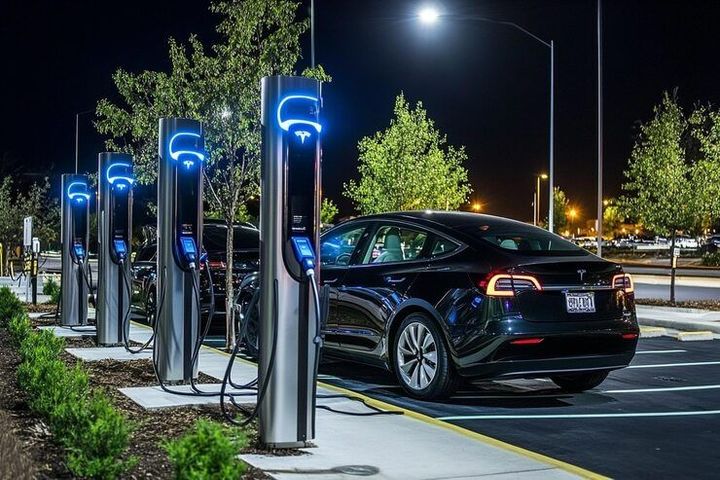
Many regions have accelerated the installation of public charging stations to support increasing electric vehicle adoption. Transport corridors, metropolitan zones, and industrial clusters are adding more fast-charging units to ensure reliable access.
Advancements in battery technology
Research and industry investment continue to focus on high-density energy storage, particularly solid-state batteries. These technologies aim to improve energy capacity, reduce charging time, and extend the operational lifespan of electric mobility systems.
Integration with renewable energy systems
Electric mobility is increasingly linked with solar, wind, and hybrid energy storage systems. Several regions have introduced pilot projects that connect EV charging hubs to rooftop solar networks to minimize grid pressure.
Growth in electric public transport (2024–2025)
Electric buses, three-wheelers, and micro-mobility vehicles have expanded across various cities. Public transportation networks are adopting electric platforms to reduce noise, improve efficiency, and support sustainability goals.
Digital optimization tools
Smart mobility applications now allow real-time monitoring of battery health, charging schedules, energy usage, and fleet performance. These tools assist both personal mobility users and fleet managers in improving overall efficiency.
Hydrogen fuel cell exploration
Hydrogen-based electric systems gained attention in 2024 and early 2025 as complementary mobility options, especially for heavy transport and long-distance travel. Pilot programs continue to explore feasibility, safety, and long-term performance.
Laws or Policies: How Regulations Influence Electric Mobility
Regulations play an essential role in shaping electric mobility systems, guiding how infrastructure, vehicles, batteries, and energy networks evolve over time. Different regions use policy frameworks to encourage research, development, and deployment of electric mobility solutions.
Key regulatory areas include:
Emission and efficiency standards
Governments implement emission control policies that encourage industries to shift toward electrified mobility systems. National clean mobility frameworks often include guidelines for energy efficiency, vehicle performance, and battery safety.
Charging infrastructure policies
Some regions require public facilities, businesses, or urban developments to support electric vehicle charging ports. Infrastructure codes may include rules on public charging accessibility, interoperability, and safety compliance.
Battery waste management and recycling rules
Regulations ensure safe handling and recycling of used lithium-ion batteries. Extended Producer Responsibility (EPR) guidelines encourage responsible collection, recycling, and resource recovery from battery materials.
Renewable energy integration programs
Policies promote clean energy usage in mobility systems, encouraging integration of solar, wind, and energy storage solutions with charging networks and microgrids.
Urban mobility and transport planning frameworks
Cities develop electric mobility roadmaps that outline targets for electric vehicle adoption, clean energy integration, and infrastructure development for the next five to ten years.
These regulations provide direction for electric mobility systems development while promoting sustainability, reliability, and safety.
Tools and Resources: Helpful Platforms for Electric Mobility Systems
Electric mobility development involves engineering tools, data platforms, planning resources, and digital applications. These tools assist researchers, planners, and technology developers in optimizing electric mobility systems.
Here are some commonly used resources:
Planning and Analysis Tools
-
Urban mobility modeling platforms
-
Charging station planning tools
-
Grid integration assessment tools
-
Route optimization platforms for electric fleets
Engineering and Technical Tools
-
Battery simulation software
-
EV system design modeling tools
-
Thermal analysis platforms
-
Electric drive system development tools
Data and Monitoring Resources
-
Electric mobility trend dashboards
-
Battery monitoring applications
-
Energy consumption trackers
-
Charging network analytics platforms
Learning and Research Resources
-
Online training modules on electric power systems
-
Mobility research reports and technical publications
-
Renewable energy integration toolkits
-
Electric infrastructure development guidelines
These tools support students, engineers, planners, and policymakers in understanding and improving electric mobility systems.
FAQs: Common Questions About Electric Mobility Systems
What is electric mobility systems development?
It refers to the advancement of technologies, infrastructure, energy systems, and digital platforms that support transportation using electric power. This includes electric motors, batteries, charging networks, and grid integration strategies.
Why is electric mobility important for the future?
It supports sustainable transportation, reduces emissions, strengthens energy resilience, and promotes clean mobility solutions for both urban and rural regions.
What technologies are essential to electric mobility systems?
Core technologies include battery management systems, electric motors, charging infrastructure, smart grid tools, energy storage, and digital monitoring platforms.
How do policies influence electric mobility?
Policies guide infrastructure deployment, battery recycling rules, emission standards, energy integration, and safety regulations. These frameworks help shape long-term development.
What challenges still exist in electric mobility systems?
Key challenges include charging accessibility, battery supply and recycling, grid readiness, and continued research on energy-dense and efficient storage technologies.
Conclusion
Electric mobility systems development is an important part of the global shift toward cleaner, more efficient transportation. It brings together engineering innovation, energy management, urban planning, and digital technology to create sustainable mobility ecosystems. As advancements continue in batteries, charging networks, smart energy management, and grid integration, electric mobility will play a central role in shaping modern transport.