Exploring Waterjet Cutting Machines: Process Overview, Technical Facts, and Practical Insights
Waterjet cutting machines are industrial systems that use a high-pressure stream of water, sometimes mixed with abrasive materials, to cut a wide range of materials. The technology was developed to address the need for precise cutting without heat
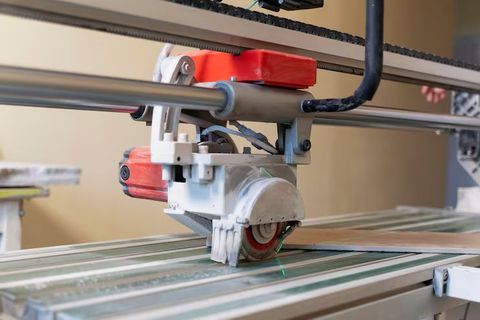
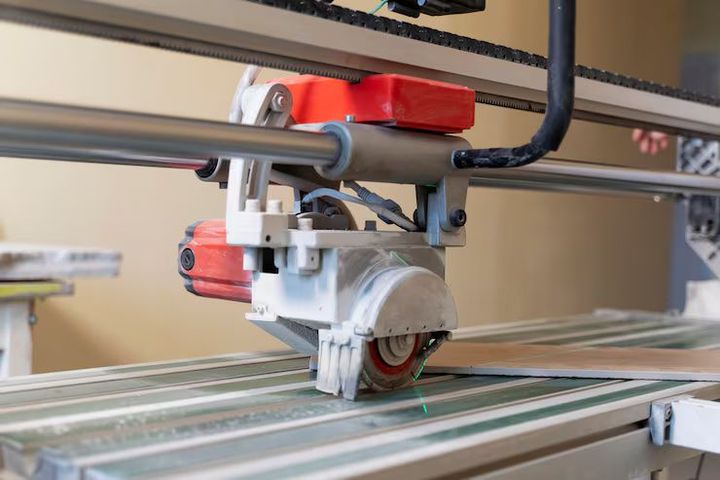
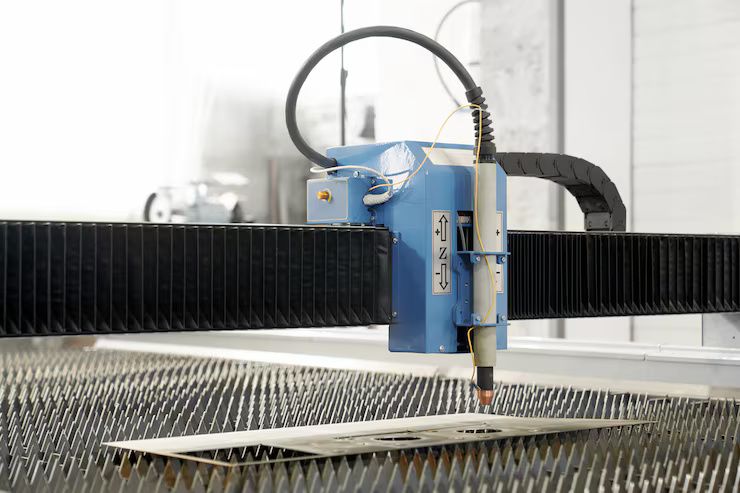
waterjet cutting machine converts pressurized water into a focused jet capable of slicing through materials such as metals, stone, composites, glass, rubber, and ceramics. The absence of heat-affected zones makes the technology valuable in industries where material integrity and dimensional accuracy are critical.
Over time, waterjet cutting machines have evolved from simple water-only systems to advanced CNC-controlled platforms capable of complex geometries and tight tolerances.
Importance: Why waterjet cutting matters today
Waterjet cutting technology plays a significant role in modern manufacturing and fabrication environments. It supports industries that require versatility, accuracy, and minimal material stress.
Key reasons for its relevance include:
-
Ability to cut diverse materials with a single process
-
Preservation of material properties due to cold cutting
-
High precision for complex industrial components
-
Reduced secondary finishing requirements
Industries commonly affected by waterjet cutting technology include aerospace, automotive manufacturing, construction, stone processing, electronics, and energy infrastructure. Engineers, designers, and production planners rely on waterjet cutting machines to solve challenges related to material distortion, waste reduction, and multi-material fabrication.
The technology also supports sustainability goals by enabling efficient material usage and reducing the need for chemical or thermal treatments during cutting operations.
Recent updates and industry trends
In the past year, waterjet cutting machines have seen advancements driven by digital manufacturing and automation trends. During 2024 and early 2025, manufacturers focused on improving efficiency, precision, and system intelligence.
Notable developments include:
-
Integration of advanced CNC controllers with real-time monitoring
-
Improved abrasive delivery systems for consistent cutting quality
-
Energy-efficient high-pressure pumps introduced in late 2024
-
Enhanced software for nesting optimization and material usage
Another important trend is the use of data analytics to monitor pump performance, nozzle wear, and cutting accuracy. These updates align waterjet cutting machines with broader smart manufacturing and Industry 4.0 initiatives.
Laws and policies influencing waterjet cutting technology
Waterjet cutting machines are influenced by industrial safety regulations, environmental standards, and manufacturing compliance frameworks. While specific rules vary by country, common regulatory areas include:
-
Workplace safety standards for high-pressure equipment
-
Environmental guidelines for water usage and abrasive disposal
-
Noise and operational safety regulations in manufacturing facilities
In many regions, industrial machinery directives require proper guarding, pressure containment, and operator training. Environmental agencies may also regulate abrasive waste handling to prevent contamination.
Government-supported manufacturing modernization programs in several countries encourage adoption of advanced cutting technologies, including waterjet systems, as part of broader industrial efficiency initiatives.
Tools and resources related to waterjet cutting machines
Professionals working with waterjet cutting technology often rely on specialized tools and resources to improve understanding and performance.
Commonly used tools and resources include:
-
CNC programming software for waterjet cutting paths
-
Material cutting databases with recommended pressure settings
-
Pump performance calculators for pressure and flow rate analysis
-
Industry standards documentation for high-pressure systems
-
Technical manuals from equipment manufacturers
| Tool Type | Purpose | Typical Users |
|---|---|---|
| CNC control software | Path planning and precision control | Engineers, operators |
| Material databases | Optimize cutting parameters | Production planners |
| Maintenance logs | Track pump and nozzle wear | Maintenance teams |
| Safety guidelines | Ensure compliance and risk reduction | Facility managers |
These resources support consistent quality, operational safety, and long-term system reliability.
Frequently asked questions about waterjet cutting machines
What materials can waterjet cutting machines handle?
Waterjet cutting machines can process metals, plastics, stone, composites, glass, rubber, and ceramics. Abrasive waterjet systems extend cutting capability to harder materials.
How does abrasive waterjet cutting differ from pure waterjet cutting?
Pure waterjet cutting uses only water and is suitable for soft materials. Abrasive waterjet cutting adds abrasive particles, enabling cutting of hard and dense materials.
Is waterjet cutting precise enough for complex designs?
Yes, modern CNC-controlled waterjet cutting machines achieve high precision and can produce intricate shapes with tight tolerances.
Does waterjet cutting affect material strength?
No heat is generated during cutting, so material properties remain unchanged, making it suitable for sensitive applications.
What factors influence cutting quality?
Key factors include water pressure, abrasive quality, nozzle condition, cutting speed, and material thickness.
Conclusion
Waterjet cutting machines represent a versatile and precise cutting solution suited to modern industrial requirements. By using high-pressure water and abrasive technology, they provide accurate, cold cutting across a wide range of materials without altering structural properties.