Explore RO UV Filtrations: A Complete Guide to Purification Methods and Essential Insights
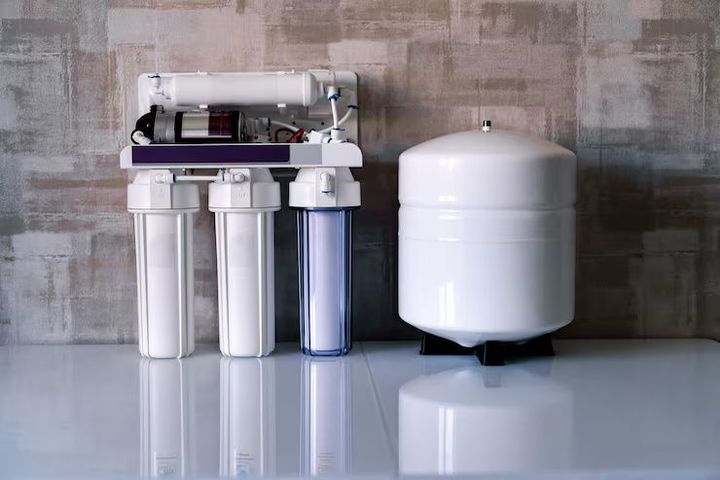
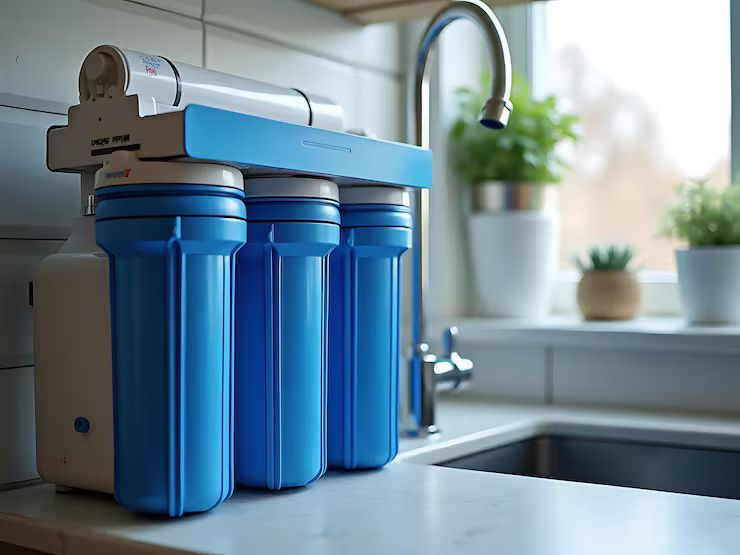
RO UV filtrations refer to a combination of two widely used water purification technologies: Reverse Osmosis (RO) and Ultraviolet (UV) purification. These systems were developed to address growing concerns around water contamination caused by industrialization, population growth, and changes in water supply sources
RO UV filtration systems are recognized as dependable water purification solutions, especially in regions with irregular water quality, varying TDS levels, or microbial contamination. These technologies exist because water quality varies greatly across locations, and modern water purification systems are designed to adapt to a range of chemical, physical, and biological impurities.
Why RO UV Filtration Matters Today
RO UV filtrations play an important role in maintaining access to safe drinking water, especially where water sources may contain dissolved solids, heavy metals, biological impurities, or chemical contaminants. The importance of these systems has increased due to several reasons:
-
Urban water demand: Rapid urban growth has pressured municipal water systems, increasing the need for household and industrial purification.
-
Variable TDS levels: Groundwater sources often show high Total Dissolved Solids (TDS), requiring RO technology for effective purification.
-
Microbial safety: UV purification is essential in regions where microorganisms such as bacteria, viruses, and protozoa are common.
-
Public health awareness: People are more aware of water quality issues, leading to greater interest in understanding purification methods.
-
Industrial use: Food processing, laboratories, and manufacturing units use RO UV systems for stable water quality.
These systems provide solutions to challenges such as inconsistent water sources, contamination risks, and lack of centralized water treatment processes in certain regions. They affect a wide range of users, including households, offices, healthcare environments, and small industries where safe water is essential for daily operations.
Recent Updates and Trends in RO UV Filtrations
The past year has seen several updates and innovations in water purification technologies. Recent shifts include improvements in membrane technology, energy-efficient filtration, and smarter monitoring methods.
Trends observed in 2023–2024 include:
-
Advanced RO membranes: Modern thin-film composite membranes introduced in 2023 have improved rejection rates for heavy metals and chemicals.
-
AI-enabled monitoring: Smart filtration devices introduced in early 2024 now use digital sensors for tracking TDS, filter life, and water consumption.
-
Sustainable filtration materials: Research in 2023 highlighted biodegradable membrane materials aimed at reducing plastic waste in filtration systems.
-
Improved UV sterilization chambers: Updated UV-C LED purification methods provide higher efficiency and longer-lasting performance compared to earlier mercury-lamp systems.
-
Focus on mineral retention: Newer RO systems launched in 2024 include controlled TDS adjustment to maintain essential minerals.
-
Increased regulatory attention: Water safety standards have been updated in multiple regions, leading to global improvements in filtration requirements.
The field continues to evolve toward smarter, safer, and more efficient purification approaches suitable for diverse water conditions.
Laws, Standards, and Government Policies Affecting RO UV Filtration
RO UV filtrations are influenced by national and international drinking water regulations. These guidelines govern water quality parameters, permissible TDS levels, and acceptable limits of contaminants.
Key frameworks influencing RO UV technology include:
-
BIS Drinking Water Standards (India – IS 10500): These standards define limits for TDS, heavy metals, chemical impurities, and microbial presence. They shape the design and performance of filtration systems.
-
Environmental regulations for wastewater: RO systems produce reject water, and updated guidelines in several states encourage responsible disposal and conservation-oriented designs.
-
WHO Drinking Water Guidelines: These global benchmarks influence many countries' water quality policies and help determine performance expectations for filtration technologies.
-
Regulations on UV-C sterilization units: Many countries, including India, updated UV-C safety standards in 2023, ensuring radiation-secure designs for household and industrial units.
-
Municipal water quality mandates: Local authorities often set guidelines for permissible contaminants, influencing which filtration method is most suitable for a region.
While regulations differ by country, most frameworks emphasize water quality, consumer safety, and environmentally responsible purification.
Tools and Resources for Understanding RO UV Filtration
A range of tools, online resources, and digital platforms help users learn about water purification systems, evaluate their needs, and monitor water quality.
Useful Tools
-
TDS Meter Tools: Handheld digital meters help measure Total Dissolved Solids in tap or groundwater.
-
Water Quality Test Kits: Multi-parameter kits test pH, hardness, chlorine, and contaminants.
-
RO Membrane Lifespan Calculator: Online tools estimate membrane replacement timing based on TDS and usage.
-
UV Intensity Check Tools: Used for ensuring proper functioning of UV chambers.
Helpful Websites and Portals
-
Government Water Quality Portals: Provide access to local water quality reports.
-
WHO Water Safety Framework: Offers global standards for safe drinking water.
-
Environmental Quality Databases: Track contamination levels in different regions.
Monitoring and Digital Resources
-
Smart Filtration Dashboards: Available with modern IoT-enabled models.
-
Water Purification Knowledge Platforms: Offer guides, research updates, and safety-related information.
These tools assist in decision-making, understanding filtration processes, and improving awareness of water safety.
Table: Comparison of RO and UV Filtration Methods
| Feature | RO Filtration | UV Filtration |
|---|---|---|
| Primary Function | Removes dissolved solids, heavy metals, and chemicals | Neutralizes microorganisms |
| Effectiveness | High for TDS and chemical contaminants | High for biological impurities |
| Water Requirement | Needs water pressure and produces reject water | No water wastage |
| Suitable For | High-TDS or chemically contaminated water | Microbiologically unsafe water |
| Technology Used | Semi-permeable membrane | UV-C radiation |
| Output Quality | Low-TDS purified water | Safe but mineral-retained water |
Table: Common Contaminants and RO/UV Effectiveness
| Contaminant Type | RO Effectiveness | UV Effectiveness |
|---|---|---|
| Heavy metals | Effective | Not applicable |
| Salts and TDS | Highly effective | Not applicable |
| Bacteria | Effective with UV combination | Highly effective |
| Viruses | Effective with UV | Effective |
| Chemical impurities | Effective | Not applicable |
FAQs About RO UV Filtrations
What is the difference between RO and UV purification?
RO removes dissolved solids and heavy metals through a membrane, while UV neutralizes microorganisms using ultraviolet radiation. Most systems combine both for more complete purification.
Is RO necessary for all water sources?
RO is recommended when TDS levels are high or when chemical contamination is suspected. If water only has microbial impurities, UV may be sufficient.
Does RO remove essential minerals?
Yes, RO reduces minerals along with contaminants. Many modern systems include mineral balancing features to maintain acceptable levels.
How often should filters be replaced?
Replacement depends on water quality and usage. Pre-filters generally require attention earlier, while RO membranes last longer under stable conditions.
Does UV purification alter water taste?
No, UV only affects microorganisms and does not change taste, minerals, or chemical properties.
Conclusion
RO UV filtrations play a major role in ensuring access to safe and clean drinking water in households, institutions, and industrial environments. Their relevance continues to grow as water quality challenges increase worldwide. With advances in membrane technology, UV-C sterilization, and smart monitoring systems, modern filtration methods are becoming more efficient and more adaptable to different water conditions.