Cryogenic Tanks Overview: Insights, Explanation, and Essential Knowledge
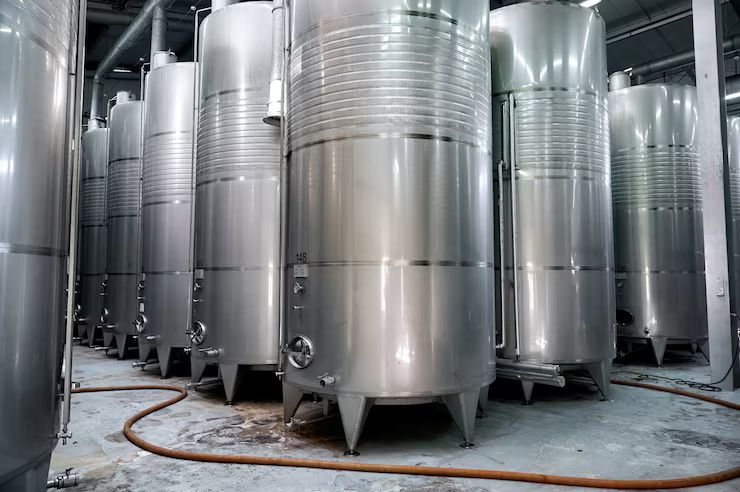
Cryogenic tanks are specialized storage containers designed to hold materials at extremely low temperatures. These materials may include liquefied gases such as liquid nitrogen, oxygen, argon, hydrogen, helium, and liquefied natural gas (LNG)
Cryogenic storage is used in several high-precision fields. In laboratories, liquid nitrogen helps preserve biological samples. In the energy sector, liquefied natural gas is stored at cryogenic temperatures to reduce volume, making transportation easier. In manufacturing, cryogenic gases support metal treatment, laser operations, and temperature-controlled production.
The existence of cryogenic tanks addresses the fundamental need to maintain temperature stability for materials that would otherwise evaporate, expand, or become unstable under normal conditions. Their design focuses on pressure control, insulation, structural integrity, and temperature consistency.
Why Cryogenic Tanks Matter Today
Cryogenic tanks play an increasingly important role across industries due to their ability to handle volatile materials safely. As industries grow more dependent on ultra-low-temperature systems, the demand for reliable cryogenic storage increases. This topic matters because it affects sectors that rely heavily on scientific accuracy, operational stability, and consistent environmental control.
They matter to:
-
Medical research facilities
-
Pharmaceutical labs
-
Energy and gas industries
-
Food processing units
-
Chemical processing plants
-
Aerospace and space science organizations
-
Industrial manufacturing plants
Cryogenic tanks help solve several modern challenges:
-
Maintaining ultra-cold temperatures for sensitive materials
-
Supporting energy storage systems, especially as LNG usage grows
-
Preserving biological materials used in healthcare and research
-
Ensuring safe industrial gas handling
-
Enhancing efficiency in metal processing and cryogenic treatment
With growing interest in hydrogen energy, advanced biotechnology, and clean fuel systems, cryogenic technology is gaining prominence. Cryogenic tanks ensure these materials remain stable, usable, and transportable without compromising safety.
Recent Updates, Trends, and Developments (2023–2025)
Several important updates have occurred in cryogenic technology, reflecting changes in global energy needs, medical advancements, and industrial growth.
Growing Demand for LNG Storage (2024–2025)
The global shift toward cleaner energy sources has increased demand for LNG storage systems. Cryogenic tanks designed for LNG are being expanded in ports, refueling stations, and industrial environments. The rise in LNG-powered transportation has further pushed this trend.
Hydrogen Storage Innovations (2023–2025)
Hydrogen energy became a major focus area in 2024. Cryogenic hydrogen storage tanks require extremely low temperatures and advanced insulation. Many countries are now developing hydrogen transportation corridors and infrastructure that depend on cryogenic technology.
Improvements in Insulation Materials
Aerogel-based insulation saw increased usage in 2023–2024 due to its thermal efficiency. This material reduces evaporation losses and enhances long-term storage stability.
Automation and Monitoring Technologies
Digital monitoring systems for cryogenic tanks expanded significantly in 2024. These systems track:
-
Pressure levels
-
Temperature changes
-
Gas evaporation rates
-
Safety alerts
Remote tracking helps improve operational reliability, especially in industrial and medical applications.
Biotechnology Storage Expansion
Cryogenic tanks found wider use in biobanks and genetic research centers during 2024–2025. This reflects the increasing reliance on cryogenic temperatures for genetic sample preservation.
These updates show that cryogenic tanks continue to evolve along with global energy transitions, medical advancements, and scientific research needs.
Laws, Standards, and Policies Affecting Cryogenic Tanks
Cryogenic tank design, operation, and handling are guided by several international and national regulations to ensure safety and environmental protection. These rules address pressure management, materials, installation, transportation, and emergency response.
International Standards
-
ISO 21009 – Design requirements for static cryogenic vessels
-
ISO 20421 – Operational guidelines for cryogenic equipment
-
ISO 13985 – Liquid hydrogen storage requirements
-
ASME Boiler and Pressure Vessel Code – Pressure vessel construction standards
These standards ensure that tanks maintain structural integrity under extreme conditions.
National Safety Codes
Most countries have national safety codes governing:
-
Installation procedures
-
Pressure release mechanisms
-
Insulation requirements
-
Handling and storage practices
-
Safety distances and zoning
Examples include EN standards in Europe, CGA guidelines in the United States, and PESO/CCOE guidelines in India for handling industrial gases.
Environmental Policies
Many regions encourage the adoption of cryogenic technology for cleaner fuels like LNG and hydrogen. Environmental regulations also address:
-
Leakage prevention
-
Safe transport of liquefied gases
-
Spill mitigation plans
-
Emission control
Cryogenic tanks fit into broader sustainability programs related to energy transition and industrial safety.
Workplace Safety Regulations
Industrial safety regulations emphasize proper training and safe handling procedures, especially due to the ultra-low temperatures involved. Requirements often include:
-
Personal protective equipment
-
Thermal safety protocols
-
Hazard communication standards
-
Ventilation and emergency response plans
These frameworks help ensure cryogenic systems are used responsibly.
Tools and Resources for Understanding Cryogenic Tanks
There are several valuable tools and platforms that help professionals, students, and engineers better understand cryogenic storage systems. These include digital calculators, reference guides, monitoring software, and documentation templates.
Technical Tools
-
Cryogenic pressure calculators
-
Boil-off rate calculators
-
Temperature change charts and graphs
-
LNG storage design tools
These tools help analyze how cryogenic materials behave over time.
Monitoring and Control Apps
-
Remote tank monitoring dashboards
-
Mobile apps for pressure and temperature tracking
-
Sensors integrated with IoT platforms
-
Real-time alerts for industrial cryogenic systems
Remote visibility supports safer operations.
Reference Websites and Documents
-
Engineering handbooks on thermal properties
-
Gas storage safety guidelines
-
Cryogenic insulation reference charts
-
Research papers on hydrogen and LNG storage
These resources provide clear technical information.
Templates and Documentation
-
Cryogenic tank inspection checklists
-
Maintenance schedule templates
-
Safety protocol documents
-
Emergency procedure guides
These templates help ensure compliance with operational standards.
Frequently Asked Questions
What materials are stored in cryogenic tanks?
Commonly stored materials include liquid nitrogen, oxygen, argon, hydrogen, helium, and LNG. Each requires extremely low temperatures to remain in liquid form.
How do cryogenic tanks maintain such low temperatures?
They use advanced insulation systems, including vacuum-insulated layers, reflective coatings, and high-efficiency materials that minimize heat transfer.
What industries rely most on cryogenic tanks?
Industries such as healthcare, biotechnology, chemical processing, aerospace, food processing, welding, and energy sectors rely heavily on cryogenic storage.
Are cryogenic tanks safe?
Yes, when operated correctly. Their design includes safety valves, pressure controls, reinforced structures, and strict adherence to international standards.
What is the difference between static and transport cryogenic tanks?
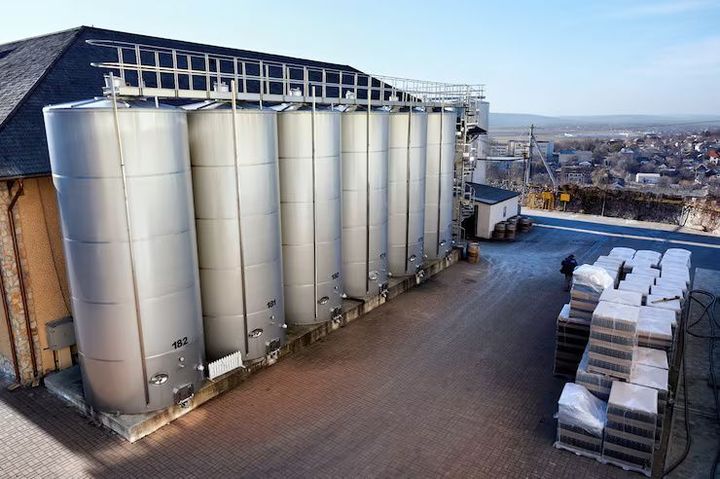
Static tanks remain fixed in one location, often used in laboratories or factories. Transport tanks are mounted on vehicles for safe movement of liquefied gases.
Conclusion
Cryogenic tanks support essential processes across many modern industries by enabling the safe storage of materials at ultra-low temperatures. Their use extends from energy sectors and manufacturing to medical research and biotechnology. With advancements in insulation materials, monitoring technologies, and digital data systems, cryogenic storage continues to evolve.