HVAC Optimization Explained: Insights, Techniques, and Energy-Efficient Practices
HVAC optimization refers to the process of improving how heating, ventilation, and air-conditioning systems operate in residential, commercial, and industrial buildings. These systems exist to regulate temperature, airflow, and humidity, making indoor environments comfortable and safe throughout the year
HVAC optimization focuses on technologies, monitoring methods, and operational adjustments that help systems run more sustainably. This includes using smart sensors, variable-speed components, air-quality monitoring, demand-based ventilation, advanced thermostats, and predictive maintenance. With growing environmental awareness and stricter building standards, optimization has become central to modern building management.
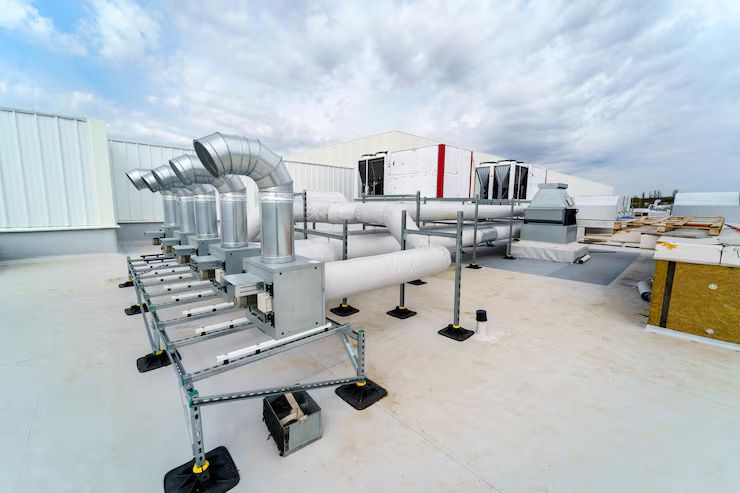
Importance — Why HVAC Optimization Matters Today
HVAC systems often represent one of the largest energy-consuming components of a building. Optimization brings essential improvements that impact comfort, sustainability, and long-term performance.
Supports Energy Efficiency
Improving HVAC behavior reduces energy demand by adjusting airflow, temperature, and load distribution based on real-time conditions. This leads to more stable and consistent operations throughout the day.
Enhances Indoor Air Quality
Optimized ventilation reduces pollutants, allergens, and stale air within indoor spaces. This is especially important in high-occupancy buildings, warehouses, offices, and industrial facilities.
Improves Thermal Comfort
Advanced controls help maintain balanced temperature and humidity levels, providing better comfort across multiple zones or floors.
Extends Equipment Life
By reducing unnecessary strain, optimization allows compressors, motors, blowers, and control systems to operate within ideal limits, decreasing wear over time.
Supports Smart Building Goals
Modern buildings integrate HVAC systems with automation platforms, IoT sensors, and digital monitoring tools to improve overall operational intelligence.
Responds to Environmental Challenges
In regions experiencing heatwaves, pollution peaks, or humidity changes, optimized HVAC systems help maintain stable indoor conditions.
Recent Updates — Trends in HVAC Optimization (2024–2025)
The HVAC sector has seen major advancements over the past year. Digital tools, sustainability goals, and new performance requirements have shaped how buildings manage HVAC systems.
Key Trends (2024–2025)
| Trend | Description | Impact |
|---|---|---|
| Smart Automation & IoT | Adoption of real-time monitoring sensors and smart controllers | Enables faster decision-making and enhanced energy efficiency |
| Variable-Speed Technology | Growth of variable-speed compressors and motors | Reduces energy usage during partial load conditions |
| Demand-Controlled Ventilation | Ventilation adjusted automatically based on occupancy | Improves indoor air quality and reduces excessive airflow |
| Digital Twin Technology | Virtual modeling of HVAC systems for performance analysis | Helps identify inefficiencies before they occur |
| Air Quality Monitoring | Increased use of PM2.5, CO2, and VOC sensors | Supports healthier indoor environments |
| Climate Adaptation Solutions | Focus on heatwave response and humidity control | Ensures stable performance under changing climate conditions |
These trends reflect a move toward data-driven decision-making and environmentally responsible building operations.
Laws or Policies — Regulatory Factors Affecting HVAC Optimization
Regulatory frameworks around energy efficiency, building safety, and ventilation standards influence how HVAC optimization is implemented across countries.
Energy Efficiency Codes
Many nations follow building energy codes requiring HVAC systems to meet minimum efficiency levels. Examples include:
-
Energy rating guidelines for motors and compressors
-
Standards for insulation, ventilation rates, and thermal performance
-
Rules for variable refrigerant systems and heat pumps
Indoor Air Quality Standards
Ventilation requirements mandated by building authorities guide how outdoor air is introduced and filtered. These rules often specify:
-
Minimum air exchange rates
-
Filtration standards for particulate matter
-
Procedures for monitoring CO2 levels in enclosed spaces
Environmental Regulations
HVAC systems often comply with policies addressing:
-
Refrigerant emissions
-
Climate-friendly refrigerant transitions
-
Noise-control guidelines for outdoor units
Safety Compliance
Fire and building codes regulate placement, maintenance access, and duct insulation, affecting how HVAC optimization strategies are applied.
These policies ensure that HVAC systems operate safely while reducing environmental impact and improving building comfort.
Tools and Resources — Useful Options for HVAC Optimization
A variety of digital tools, monitoring platforms, and reference materials help building owners and facility managers optimize HVAC systems effectively.
Digital Tools and Applications
-
HVAC performance monitoring dashboards
For temperature tracking, airflow analysis, humidity readings, and energy use. -
Air-quality monitoring apps
Display CO2, PM, and humidity data for indoor health. -
Energy analytics tools
Provide insights on consumption patterns and operational anomalies. -
Thermostat scheduling apps
Help maintain efficient temperature settings across zones.
Equipment and Components Used in Optimization
-
Smart thermostats for temperature regulation
-
Variable-speed drives for motors and blowers
-
Real-time airflow and pressure sensors
-
High-efficiency air filters
-
Energy recovery ventilators
-
Condenser cleaning tools and coil brushes
Templates and Checklists
-
Daily HVAC inspection checklists
-
Filter maintenance logs
-
Seasonal performance comparison charts
-
Air-quality monitoring templates
These resources help organize, track, and improve the performance of HVAC systems in modern buildings.
Types of HVAC Optimization Techniques
Below is a simple and educational overview of optimization strategies:
Airflow Optimization
-
Adjusting duct balancing
-
Monitoring for airflow blockages
-
Using variable-speed blowers
-
Improving ventilation distribution
Temperature Control Adjustments
-
Smart thermostat scheduling
-
Multi-zone temperature balancing
-
Seasonal temperature settings
Maintenance-Based Improvements
-
Regular coil cleaning
-
Filter replacement cycles
-
Refrigerant level checks
-
Belt tension and motor inspection
Energy Optimization
-
Load distribution planning
-
Heat recovery integration
-
Use of high-efficiency motors
-
Monitoring peak demand periods
Digital Optimization
-
IoT-based condition monitoring
-
Predictive maintenance alerts
-
Digital twin modeling
-
Occupancy-based ventilation adjustments
These approaches collectively help improve comfort, efficiency, and long-term reliability.
FAQs — Common Questions About HVAC Optimization
1. What is the main purpose of HVAC optimization?
The purpose is to improve energy efficiency, ventilation, and temperature regulation while ensuring stable and reliable system performance.
2. How often should HVAC systems be optimized or checked?
Routine checks are typically performed monthly or seasonally, depending on system type, usage conditions, and building size.
3. Does HVAC optimization help improve indoor air quality?
Yes. Better ventilation, filtration, and airflow management can reduce pollutants, odors, and moisture buildup.
4. Can digital tools improve HVAC optimization?
Digital monitoring tools offer real-time insights on energy usage, airflow, and temperature balance, supporting more informed adjustments.
5. What factors influence HVAC optimization in large buildings?
Factors include occupancy levels, climate conditions, system age, duct design, insulation quality, ventilation requirements, and equipment performance.
Conclusion
HVAC optimization plays a vital role in improving building performance, energy efficiency, and indoor environmental quality. As buildings become smarter and climate conditions continue to evolve, optimized HVAC systems help maintain stable temperatures, cleaner air, and efficient energy usage. With new digital tools, regulatory standards, and sustainable practices shaping the field, HVAC optimization is becoming a fundamental part of modern building management.