Explore Industrial Generators: Insights into Power Output, Efficiency, and Usage
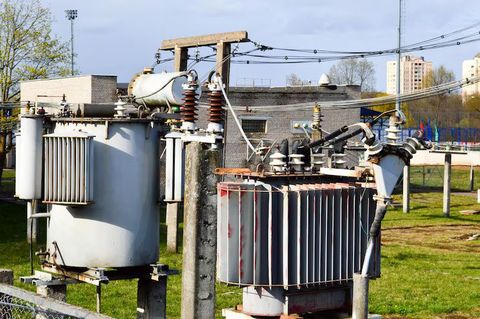
Industrial generators are essential power sources used across manufacturing units, construction sites, data centers, hospitals, commercial complexes, mining operations, and large facilities. Their primary purpose is to supply continuous or backup electricity when the main grid fails or when operations demand a dedicated power source
industrial generators are more advanced. They include digital controllers, fuel-efficient engines, remote monitoring sensors, and emission-control systems. Their capacity ranges from small units designed for limited industrial loads to multi-megawatt systems capable of powering entire manufacturing lines. Improvements in fuel technology, engine design, and safety features have transformed how industries manage uninterrupted power supply.
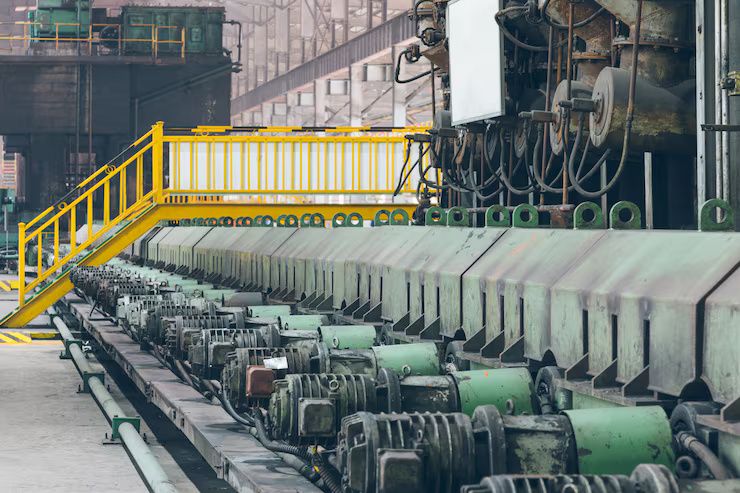
Importance — Why Industrial Generators Matter in Modern Industries
Industrial operations depend on stable electricity for production, data management, and safety systems. Even minor interruptions can lead to machine stoppage, data loss, operational delays, and financial implications. Generators help maintain consistent output, reduce unplanned downtime, and support critical processes.
Key reasons why industrial generators are important:
Ensures Operational Continuity
Generators supply instant power during grid instability or failures, preventing interruptions to machines and automated systems.
Supports High-Demand Machinery
Industrial motors, compressors, CNC machines, and production lines require stable voltage and high-capacity current that generators can reliably provide.
Maintains Safety Systems
Emergency lighting, security systems, ventilation units, and fire-safety infrastructure depend on continuous electricity.
Enables Remote Industrial Activity
Sectors like mining, drilling, and rural manufacturing rely on generators where grid access is limited or unavailable.
Protects Sensitive Equipment
Stable voltage prevents equipment damage caused by surges or fluctuations in power supply.
As manufacturing, logistics, data centers, and infrastructure projects expand, industrial generators play an essential role in ensuring productivity and operational reliability.
Recent Updates — Trends in Generator Capacity and Fuel Use (2024–2025)
Industrial generator usage has evolved rapidly in the last year due to digital integration, environmental concerns, and new energy technologies. The following table highlights major trends observed in 2024–2025:
| Trend (2024–2025) | Description | Impact on Industries |
|---|---|---|
| Hybrid Power Systems | Combining diesel generators with battery storage or solar inputs | Reduces emissions and enhances long-duration efficiency |
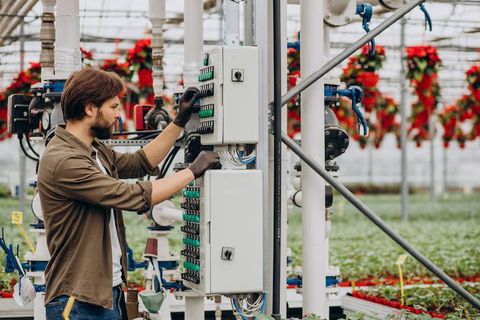
| Remote Monitoring | Sensors for fuel usage, temperature, vibration, and load tracking | Improves predictive maintenance and reduces downtime |
| Low-Emission Engines | Advanced combustion technology introduced in 2024 | Supports environmental compliance in industrial zones |
| Fuel Diversification | Increased interest in natural gas and dual-fuel systems | Enables cleaner operations and reduced emission levels |
| Parallel Generator Systems | Multiple units operating together | Ensures redundancy and balanced load distribution |
| Intelligent Control Panels | Digital displays and automated voltage regulation | Improves accuracy and operational safety |
Facilities across many regions are adopting generators that integrate with cloud dashboards, real-time alerts, and automated maintenance reminders. These changes contribute to better energy management and longer equipment life.
Laws or Policies — Regulations Influencing Generator Operations
Industrial generators operate under several policies that govern emissions, safety, installation, and fuel handling. Although regulations vary worldwide, many share similar principles to ensure safe and environmentally responsible operation.
Environmental Guidelines
Most regions limit emissions such as particulate matter, nitrogen oxides, and smoke. New standards introduced in recent years encourage the use of cleaner engines and modern filtration systems.
Noise Regulations
Industrial zones and mixed-use areas often require generators to comply with noise-control guidelines. Soundproof enclosures and acoustic panels help reduce operational noise.
Electrical Safety Requirements
Codes specify installation methods, earthing systems, wiring safety, and overload protection. These rules ensure safe operation and reduce electrical hazards.
Fuel Storage Standards
Guidelines outline how liquid fuel should be stored, monitored, and protected from spillage. Proper fuel handling improves safety and environmental protection.
Inspection and Certification
Periodic inspection is required in many countries to verify generator condition, emission compliance, and safety readiness.
Following these regulations helps industries maintain operational efficiency while ensuring compliance with national and local requirements.
Tools and Resources — Helpful Options for Managing Industrial Generators
Many tools support planning, tracking, and maintaining industrial generators. These tools help manage load, fuel efficiency, runtime analysis, and safety.
Digital Tools and Analytics
-
Load-calculation tools
-
Runtime and fuel-consumption trackers
-
Cloud dashboards for temperature and vibration monitoring
-
Energy-management apps for scheduling generator operations
Monitoring and Safety Equipment
-
Automatic voltage regulators
-
Temperature and oil-pressure sensors
-
Exhaust monitoring systems
-
Battery-health monitoring tools
Maintenance Resources
-
Preventive maintenance templates
-
Engine inspection checklists
-
Fuel-quality assessment kits
-
Coolant and lubricant monitoring tools
Fuel and Performance Tools
-
Fuel-level measurement systems
-
Emission-check instruments
-
Efficiency calculators
-
Dual-fuel optimization tools
These resources allow industries to plan operations more efficiently and maintain generator reliability throughout the year.
Types of Generator Applications in Industrial Environments
Below is a neutral, educational list of usage categories similar to your previous format:
Primary Power Use
-
Mining operations
-
Large-scale manufacturing
-
Continuous industrial activity
-
Remote construction sites
Backup Power Use
-
Data centers
-
Hospitals
-
Food processing plants
-
Chemical and pharmaceutical units
Load Management Support
-
Peak load reduction
-
Stabilizing voltage for sensitive machinery
-
Supporting automation infrastructure
Environmental and Safety Operations
-
Ventilation systems
-
Emergency lighting
-
Industrial safety installations
Remote Infrastructure
-
Rural telecommunications
-
Off-grid research units
-
Oil and gas operations
These categories show how diversified generator usage has become across industrial areas.
FAQs — Common Questions About Industrial Generators
1. How is generator capacity determined for industrial use?
Capacity is calculated using load requirements, starting currents for motors, and peak demand. Accurate load assessment helps select the right generator size for stable performance.
2. Which fuel is most commonly used in industrial generators?
Diesel remains widely used due to durability and high energy density. Natural gas and hybrid fuels are increasingly adopted for lower emissions.
3. How often should industrial generators be maintained?
Maintenance frequency depends on runtime hours and operating conditions. Routine inspections typically include filters, lubricants, coolant levels, and electrical connections.
4. What makes modern generators more efficient?
Digital monitoring, advanced combustion engines, automatic voltage regulation, and hybrid power integration improve performance and reduce fuel consumption.
5. Can industrial generators run continuously?
Yes, models designed for continuous-duty operations can run for extended periods, especially in manufacturing, mining, and remote industrial locations.
Conclusion
Industrial generators have become essential tools for modern industry, supporting uninterrupted operations, equipment safety, and long-term productivity. Their evolution from simple mechanical units to advanced, digitally monitored systems reflects growing industrial demands and technological progress. With developments in hybrid systems, fuel efficiency, environmental compliance, and remote monitoring, industrial generators continue to adapt to the changing needs of manufacturing, infrastructure, and critical facilities. As industries expand and automation increases, reliable and well-managed generator systems remain crucial for operational continuity and long-term resilience.