Digital Twins in Industrial Operations: Architecture, Technologies, and Practical Use Cases
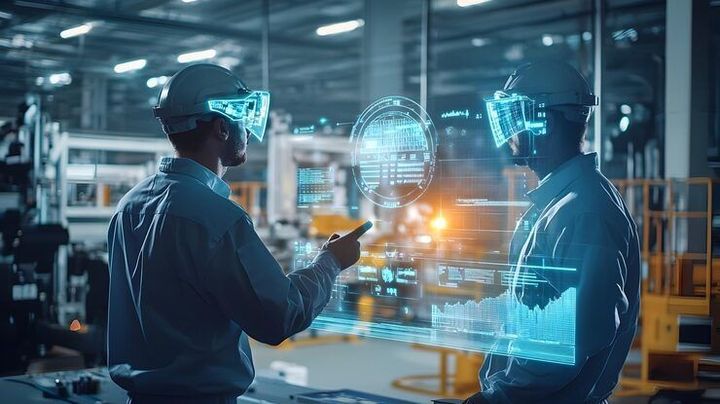
Digital twins have become one of the most influential technologies in modern industrial operations. They allow organizations to create virtual representations of machines, production lines, buildings, or even entire facilities
Digital twins were originally developed for aerospace applications but gained enormous traction with advancements in IoT, cloud computing, and artificial intelligence. Today, industries use digital twins to enhance productivity, reduce downtime, and support real-time operational insights.
Why Digital Twins Matter in Today’s Industrial Environment
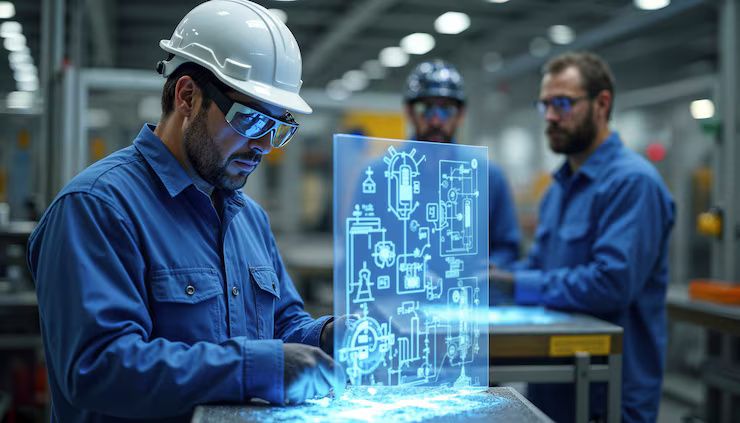
Digital twins are becoming essential for industries undergoing digital transformation. They help organizations handle increasing complexity, integrate smart technologies, and enhance operational transparency.
Improving Efficiency and Performance
Digital twins allow teams to:
-
Analyze equipment performance in real time
-
Evaluate energy usage and identify inefficiencies
-
Improve machine output through precise adjustments
-
Reduce manual monitoring through remote visibility
These improvements support lean manufacturing, faster production cycles, and optimized resource management.
Supporting Predictive Maintenance
One of the most impactful uses of digital twins is predicting equipment failures before they occur. This reduces unplanned downtime and extends asset life. Predictive insights help industries:
-
Detect unusual vibration, pressure, or temperature patterns
-
Identify wear-and-tear indicators
-
Plan maintenance schedules accurately
This predictive approach increases reliability and reduces operational interruptions.
Enhancing Industrial Safety
By simulating hazardous scenarios, digital twins help improve safety strategies without physical risk. Operators can explore:
-
Emergency response simulations
-
Structural stress tests
-
Energy overload or thermal event predictions
This strengthens workplace safety protocols and reduces human risk.
Enabling Sustainable Operations
Digital twins also contribute to environmental sustainability. They help industries monitor emissions, optimize energy consumption, and support compliance with environmental regulations. As sustainability goals become global priorities, industries use digital twins to measure and manage their carbon footprint.
Recent Updates and Technology Trends (2024–2025)
Digital twin adoption continues to expand across industries, influenced by several new developments in the past year.
AI-Enhanced Predictive Models
Since early 2024, industries have increasingly integrated AI and machine learning into digital twin frameworks. These models generate deeper insights, including:
-
More accurate behavior prediction
-
Pattern detection in large data sets
-
Automated operational recommendations
AI-based twins are becoming standard in heavy manufacturing, chemical plants, and logistics.
Edge Computing Integration
In 2025, edge devices began processing large volumes of sensor data directly at the source. This reduces latency and improves real-time accuracy for digital twins used in:
-
Robotics control
-
High-speed production environments
-
Energy grid operations
Edge-driven twins are now helping companies achieve real-time insight without relying solely on cloud infrastructure.
Expansion of Multi-Scale Digital Twins
Industries are adopting multi-scale twins that represent:
-
Individual components
-
Entire machines
-
Production lines
-
Complete facilities
These layered models help organizations visualize complex systems and improve long-term planning for upgrades and capacity expansion.
Growing Adoption in Logistics and Transport
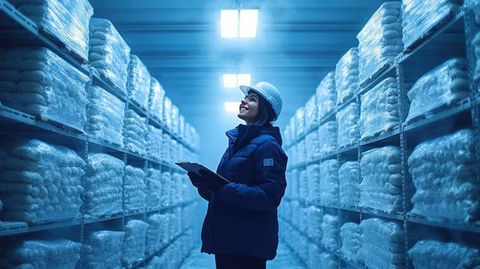
Logistics networks—warehouses, fleets, and cold-chain systems—are using digital twins to monitor delays, track environmental conditions, and optimize routing. The focus on global supply chain resilience has accelerated this trend through 2024–2025.
Laws, Regulations, and Government Influence
Government policies play an indirect but important role in the adoption of digital twins, especially through industrial modernization programs, infrastructure standards, and digitalization incentives.
Industry 4.0 Adoption Programs
Many countries have introduced national strategies to promote smart manufacturing. These programs encourage:
-
IoT deployment
-
Industrial automation
-
Data-driven operations
-
Digital infrastructure upgrades
Digital twins are often highlighted as a key component of these modernization efforts.
Compliance Standards
Digital twins help industries meet various regulatory standards, such as:
-
Environmental monitoring guidelines
-
Equipment safety protocols
-
Quality control requirements in manufacturing
-
Energy management standards like ISO 50001
Virtual simulations make compliance easier by providing traceable data and automated reporting.
Smart Infrastructure Development
Governments investing in modern infrastructure—smart grids, intelligent transportation systems, and advanced manufacturing zones—support digital twin adoption for urban planning, utility monitoring, and construction management.
Architecture of Digital Twin Systems
Digital twin architecture connects physical assets with virtual models through data flow, analytics, and visualization layers.
Core Components
A standard digital twin framework includes:
Physical Layer
-
Machines
-
Sensors
-
Control systems
-
Industrial equipment
Data Layer
-
IoT gateways
-
Data acquisition modules
-
Edge devices
-
Cloud platforms
Processing Layer
-
AI/ML algorithms
-
Simulation engines
-
Predictive models
-
Analytics systems
Visualization Layer
-
Dashboards
-
3D models
-
Real-time monitoring tools
-
VR/AR interfaces
These components work together to reflect live conditions accurately and help operators interact with virtual replicas.
Data Flow Process
-
Sensors collect real-time operational data.
-
Data is transmitted through IoT gateways or edge devices.
-
Cloud or local systems process and analyze the information.
-
A virtual model updates continuously to match real-world conditions.
-
Insights are delivered to operators through dashboards or applications.
Tools, Platforms, and Resources for Digital Twins
Industries use various platforms and tools to build, monitor, and optimize digital twin systems.
Popular Tools and Technologies
-
IoT platforms: Used for connectivity and data collection
-
Simulation tools: Create virtual models of industrial assets
-
AI analytics engines: Predict failures and generate insights
-
3D design software: Build accurate representations of machines and systems
-
Cloud platforms: Support high-volume data storage and processing
Helpful Resources
-
Digital twin modeling guidelines
-
Asset monitoring dashboards
-
Industrial automation frameworks
-
Data integration templates
-
IoT device management consoles
These tools help organizations implement digital twins more efficiently and integrate them with existing industrial systems.
Common Use Cases of Digital Twins in Industry
Digital twins support multiple industrial applications, from performance monitoring to supply chain optimization.
Manufacturing
-
Virtual factory simulation
-
Real-time monitoring of machines
-
Production flow optimization
-
Predictive maintenance for critical equipment
Energy & Utilities
-
Grid performance modeling
-
Power plant operations
-
Renewable energy forecasting
-
Asset reliability management
Logistics & Supply Chain
-
Warehouse automation planning
-
Cold chain condition monitoring
-
Transport route optimization
-
Demand forecasting
Industrial Equipment Monitoring
-
Equipment life-cycle analysis
-
Remote performance monitoring
-
Failure prediction
-
Process optimization
FAQs
What is a digital twin in industrial operations?
It is a virtual representation of an industrial asset, system, or environment that updates in real time using data from sensors and control systems.
How does a digital twin differ from a simulation?
A simulation predicts behavior based on preset scenarios, while a digital twin updates continuously using real-world data, making it more accurate for decision-making.
Which industries use digital twins the most?
Manufacturing, energy, automotive, aerospace, logistics, and process industries commonly use digital twins for monitoring, planning, and predictive insights.
Is a digital twin the same as IoT?
No. IoT provides the data, while digital twins use that data to create interactive, real-time virtual models.
Can digital twins improve sustainability?
Yes. They help reduce resource waste, optimize energy usage, and support environmentally responsible industrial strategies.
Conclusion
Digital twins have become a key technology driving smarter, safer, and more efficient industrial operations. By combining IoT, AI, and advanced modeling techniques, they provide real-time insights that help organizations optimize performance, predict failures, and improve long-term planning. As digital transformation accelerates across industries, digital twins will continue to evolve and support more intelligent, interconnected, and sustainable operations.