Industrial IoT Gateways: An Essential Guide to Connectivity, Protocols, and Edge Integration
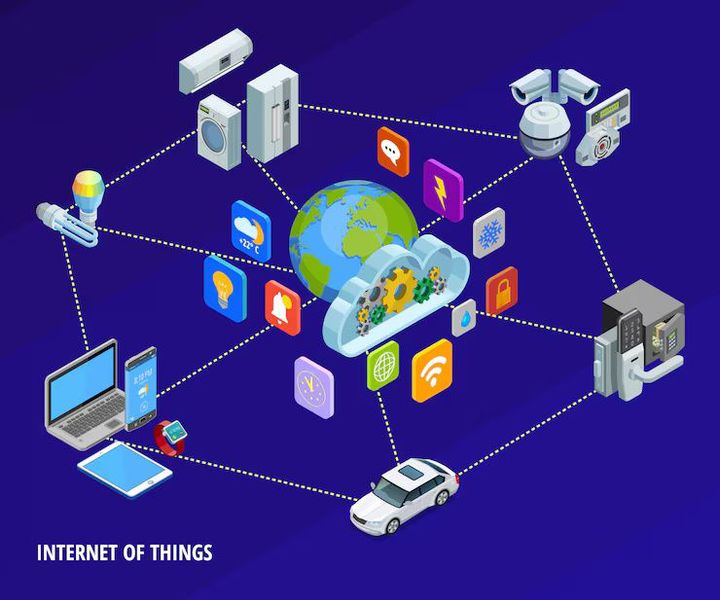
Industrial IoT (IIoT) gateways are specialised devices that connect sensors, machines, and industrial systems to digital platforms. They exist to bridge communication gaps between traditional equipment and modern data-driven applications
As industries move toward digital transformation, gateways provide the necessary interface between operational technology (OT) and information technology (IT), enabling smooth data flow, improved decision-making, and enhanced system reliability. Without gateways, large-scale industrial data integration and device interoperability would be extremely difficult.
Importance
Industrial IoT gateways play a central role in enabling connected operations. Their importance has grown as industries invest in analytics, remote monitoring, condition-based maintenance, and smart manufacturing.
Why this topic matters today
-
Industries are generating more machine data than ever before. Gateways ensure this data can be securely transmitted and used productively.
-
Modern manufacturing and energy sectors require real-time insights to avoid downtime.
-
Many industrial machines operate in remote or hazardous environments; gateways enable monitoring without physical presence.
-
The adoption of cloud computing and edge computing has made gateways a crucial bridge for seamless data movement.
Who it affects
-
Manufacturers and plant operators
-
Utilities and energy companies
-
Oil and gas operations
-
Logistics centres and warehouses
-
Infrastructure monitoring teams
-
Automation engineers
-
Digital transformation consultants
Problems IoT gateways solve
-
Interoperability between different machine communication protocols
-
Secure data transfer across networks
-
Real-time analytics at the edge
-
Reducing dependence on manual inspections
-
Managing bandwidth by processing data locally
-
Supporting remote access and diagnostics
-
Enhancing device management across large industrial fleets
Recent Updates
Several developments over the past year have influenced the design and capabilities of industrial IoT gateways.
Growing adoption of 5G-enabled gateways (2024–2025)
Many manufacturers have introduced gateways with native 5G connectivity for faster data rates, lower latency, and improved support for high-density sensor networks. This trend is particularly relevant in automotive, logistics, and process industries.
Edge AI processing becoming standard (2024)
More gateways now include on-device AI acceleration chips, enabling real-time anomaly detection, local machine learning inference, and predictive maintenance insights without cloud dependency.
Strengthened cybersecurity features (2024–2025)
Gateways introduced updated encryption standards, zero-trust access principles, secure boot, and hardware-level identity authentication in line with increasing industrial cybersecurity regulations.
Wider adoption of MQTT and OPC UA (2024)
Protocols such as MQTT and OPC UA have become dominant due to their reliability, interoperability, and scalability across distributed systems.
Shift toward cloud-native management platforms (2025)
Vendors now provide tools for remote device management, firmware updates, and diagnostics, reducing on-site maintenance requirements.
Laws or Policies
Industrial IoT gateway usage is influenced by regional regulations related to cybersecurity, data handling, and communication infrastructure.
Network and Data Security Regulations
Many countries have implemented cybersecurity frameworks for industrial systems, including secure data transmission, endpoint hardening, and monitoring requirements. These frameworks encourage encryption, authentication, and secure communication protocols.
Telecom and Frequency Regulations
Gateways that use cellular connectivity must comply with national spectrum and telecommunications regulations for 4G, 5G, and LPWAN networks.
Industrial Standards and Protocol Guidelines
Standards such as IEC 62443 (industrial cybersecurity) and ISO 27001 (information security management) influence how gateways are deployed in industrial environments.
Environmental and Safety Regulations
Gateways deployed in hazardous locations must follow industry-specific regulations, such as compliance with equipment protection standards in high-risk manufacturing zones.
Data Governance Policies
Industries dealing with sensitive data must comply with national data privacy guidelines, which regulate how operational data is stored, transferred, and accessed.
Tools and Resources
Several tools and resources help users design, monitor, and deploy industrial IoT gateways efficiently.
Device Management Platforms
-
Remote diagnostic dashboards
-
Firmware and software update tools
-
Configuration management systems
Protocol Testing Tools
-
MQTT testing utilities
-
OPC UA simulation tools
-
Modbus communication testing software
Network Monitoring Tools
-
Connectivity performance analyzers
-
Cellular signal monitoring applications
-
Latency and bandwidth visualization tools
Security Tools
-
Encryption verification plugins
-
Security configuration assessment tools
-
Industrial threat monitoring dashboards
Reference Resources
-
Industrial IoT protocol documentation
-
Cloud platform setup guides
-
Open-source data integration frameworks
FAQs
What does an Industrial IoT gateway do?
An Industrial IoT gateway connects machines, sensors, and industrial systems to digital networks. It collects data, converts it into interoperable formats, applies basic or advanced processing, and securely sends it to cloud or edge systems.
Which communication protocols do industrial gateways support?
Typical protocols include MQTT, Modbus, OPC UA, HTTP/HTTPS, CoAP, BACnet, and industrial Ethernet variations. Many gateways support multiple protocols simultaneously for interoperability.
How do gateways support edge computing?
Modern gateways include built-in processors that allow them to analyse data locally. This reduces latency, saves bandwidth, and supports real-time decision-making without relying solely on cloud servers.
Are IoT gateways secure for industrial use?
Yes, when configured correctly. Security features such as encryption, secure boot, access control, and regular firmware updates help maintain a secure operating environment.
Where are Industrial IoT gateways commonly deployed?
They are used in manufacturing plants, energy systems, oil and gas facilities, warehouses, agriculture, utilities, water treatment plants, and remote industrial environments.
Conclusion
Industrial IoT gateways have become a crucial component of connected industrial ecosystems. They create a bridge between complex machinery and the digital platforms used for monitoring, analytics, and automation. As industries continue adopting edge computing, AI processing, and cloud integration, gateways will remain central to enabling secure, scalable, and interoperable industrial operations.