Grinding Machines: A Complete Guide to Technology, Operation, and Precision Basics
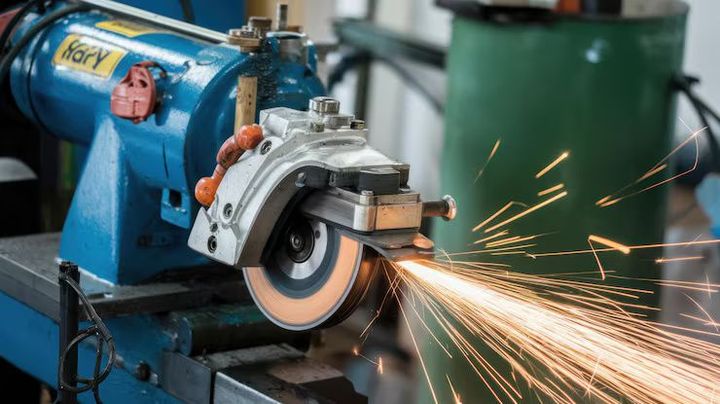
Grinding machines are mechanical systems designed to remove material from a workpiece using abrasive wheels, belts, or stones. They exist to achieve high-precision finishing, shape complex components, and produce accurate surface textures in a wide range of industries. Their development was driven by the need for greater accuracy in metalworking, tool manufacturing, automotive engineering, and modern production lines that depend on consistent tolerances
Grinding machines improve the material quality, ensure uniformity, and help industries meet strict technical performance requirements, especially where precision and safety standards are high.
Importance: Why Grinding Machines Matter Today
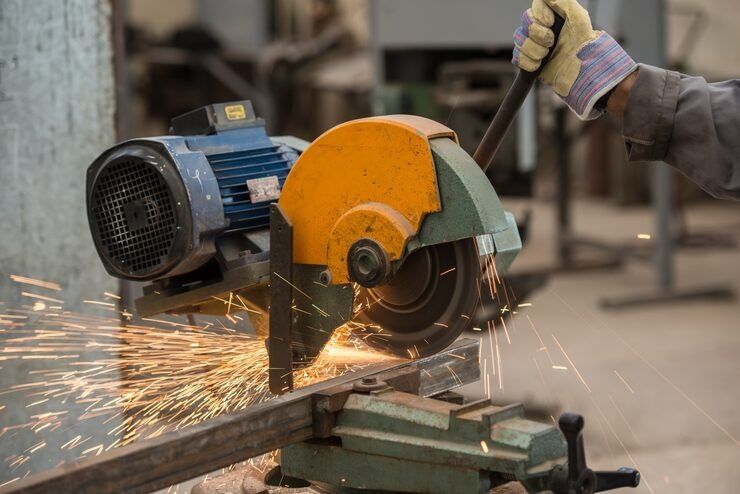
Grinding machines play an essential role across several modern industries. Their importance has increased as products become more complex and require higher precision. Several factors explain their growing relevance:
Achieving Precision and Accuracy
High-CPC keywords included: surface grinding, CNC grinding systems, precision machining
Grinding machines help achieve the kind of dimensional accuracy that other cutting processes cannot provide. Precision components such as engine parts, medical tools, turbine blades, and industrial bearings rely on grinding for achieving extremely tight tolerances.
Supporting High-Performance Materials
Industries increasingly use hardened steels, ceramics, superalloys, and composite materials. Grinding machines are necessary to shape and finish these materials without compromising their structure.
Reducing Manufacturing Defects
A properly calibrated machine reduces micro-cracks, surface irregularities, and structural inconsistencies. This helps manufacturers maintain quality standards and ensure long product lifespan.
Improving Productivity
Modern grinding systems with automation, CNC programming, and tool-path optimization support large-scale production while maintaining accuracy.
Industries Benefiting from Grinding Machines
-
Automotive component manufacturing
-
Precision tool and die production
-
Aerospace parts machining
-
Medical device manufacturing
-
Construction equipment fabrication
-
Electronics and semiconductor component finishing
-
Renewable energy equipment production
Grinding machines solve several industrial problems including uneven surfaces, inaccurate shapes, poor surface finishes, and defects arising from earlier machining processes.
Recent Updates: Trends and Developments in Grinding Technology
The grinding machine industry has experienced notable developments during the past year, especially from 2023 to 2024. Several updates influence how industries adopt and use grinding technology.
Rise of Smart Grinding Systems (2024)
Manufacturers are integrating IoT sensors, real-time vibration monitoring, and thermal feedback systems to reduce errors and improve stability. These smart upgrades help optimize power consumption and avoid tool wear.
Eco-Optimized Grinding Fluids and Dry Grinding Methods (2023–2024)
Environmental guidelines have encouraged industries to reduce fluid usage. Dry grinding and minimum-quantity lubrication (MQL) systems have gained wider adoption due to reduced environmental impact.
Robotic Grinding and Automated Workholding (2024)
Automation trends have improved consistency and safety. Robotic arms now handle repetitive grinding operations and ensure uniform finishing.
Advancements in Abrasive Materials
New abrasives such as:
-
CBN (Cubic Boron Nitride) wheels
-
Diamond grinding wheels
-
Nano-abrasive ceramic grains
have enabled grinding of harder and more heat-sensitive materials with higher accuracy.
Energy-Efficiency Standards Influence Machine Design
Manufacturers incorporate energy-efficient motors and variable-frequency drives (VFDs) to reduce consumption during low-load conditions.
Laws or Policies: Regulations That Affect Grinding Machines
Grinding machines are regulated differently depending on the country, but some common areas include safety, environmental rules, and workspace standards.
Safety Regulations
Most regions follow industrial machinery standards such as:
-
ISO 16089 – Safety requirements for grinding machines
-
OSHA Machinery Standards (U.S.)
-
EU Machinery Regulation (EU 2023/1230)
These guidelines mandate:
-
Machine guarding
-
Emergency stop switches
-
Regular inspection
-
Proper wheel mounting
-
Vibration and noise control
Environmental Policies
Grinding operations are often subject to rules on:
-
Airborne particulate emissions
-
Coolant disposal and reclamation
-
Noise levels in industrial zones
-
Energy consumption standards
Many regions promote the use of energy-efficient motors and low-emission grinding fluids.
Worker Safety & Training Requirements
Some countries require training under:
-
Machine Operator Safety Certifications
-
Hazard management programs
-
Noise exposure guidelines
All these regulations aim to maintain safe working environments and minimize risks.
Tools and Resources: Helpful Systems for Grinding Machine Operations
Professionals working with grinding machines can use several resources, tools, and platforms to improve accuracy, monitoring, and planning.
Monitoring & Diagnostic Tools
-
Vibration analysis apps
-
Wheel condition monitoring systems
-
Automated temperature tracking tools
-
CNC machine simulation software
-
Tool-path optimization platforms
Calculation Tools
-
Grinding wheel speed calculators
-
Feed rate and depth-of-cut calculators
-
Spindle load analysis tools
-
Surface finish calculators
Technical Knowledge Platforms
-
Engineering manuals on abrasive machining
-
Industry association websites
-
Standards libraries for machine safety and precision rules
-
Material property databases
These tools help machine operators plan efficient and safe grinding strategies.
Table: Types of Grinding Machines and Their Common Uses
| Grinding Machine Type | Typical Application | Key Features |
|---|---|---|
| Surface Grinder | Flat surfaces, plates, dies | High accuracy, smooth finish |
| Cylindrical Grinder | Shafts, rods, bearings | External & internal grinding |
| Centerless Grinder | High-volume parts | No spindle, continuous feed |
| Tool & Cutter Grinder | Tools, cutters, drills | Tool sharpening & shaping |
| Bench Grinder | Workshops, basic shaping | Manual control, general finishing |
| Gear Grinder | Precision gear shaping | High-precision CNC systems |
FAQs
What is the main purpose of a grinding machine?
A grinding machine removes material using abrasive tools to achieve precise dimensions, shapes, and finishes on a workpiece. It is essential for achieving high accuracy and surface quality in modern manufacturing.
Which industries use grinding machines most often?
Grinding machines are widely used in automotive, aerospace, medical device manufacturing, tool and die production, metal fabrication, and electronics manufacturing.
How is grinding different from other machining processes?
Unlike cutting tools that shear material, grinding uses abrasive particles to gradually remove small amounts of material. This allows high precision and excellent surface finishes.
What safety measures are needed when operating a grinding machine?
Common safety measures include wheel inspection, machine guarding, proper PPE, correct wheel mounting, maintaining safe speeds, and ensuring proper training for operators.
What affects the quality of a grinding operation?
Factors include wheel composition, speed, feed rate, coolant usage, machine stability, and temperature control. Using optimized parameters improves accuracy and surface finish.
Conclusion
Grinding machines remain a central part of modern manufacturing due to their ability to deliver precision, efficiency, and high-quality surface finishes. Their development reflects ongoing technological progress, from improved abrasive materials to advanced automation and monitoring systems. As industries demand higher accuracy and faster production, grinding machines continue to evolve with smart features, energy-efficient components, and enhanced safety mechanisms.