Exploring Oil and Gas Heat Exchangers: Technology Overview, Working Principles, and Key Insights
Heat exchangers are core components in oil and gas processing systems. They are engineered devices that transfer thermal energy between two or more fluids without allowing them to mix. In upstream, midstream, and downstream operations, temperature control is critical for safety, efficiency, and product quality
oil and gas heat exchanger technology has evolved alongside process engineering. Early designs focused on simple shell-and-tube units. Modern systems now incorporate compact designs, corrosion-resistant alloys, and advanced thermal modeling to handle higher pressures and complex process conditions.
Why Oil and Gas Heat Exchangers Matter Today
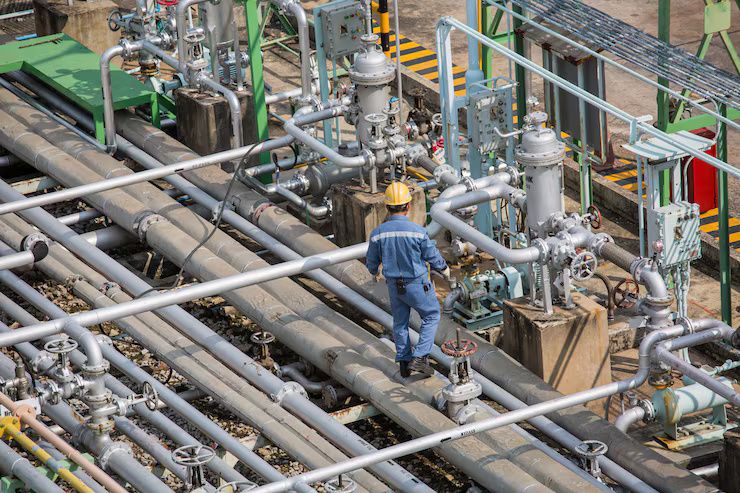
Oil and gas heat exchangers play a central role in maintaining stable operations across energy infrastructure. Their importance extends beyond equipment design and into environmental performance, safety management, and operational reliability.
They directly affect:
-
Process efficiency by recovering and reusing thermal energy
-
Equipment protection by preventing overheating or thermal shock
-
Product consistency by maintaining required temperature ranges
-
Environmental impact through reduced energy waste
In refineries and gas processing plants, heat exchangers support critical operations such as crude preheating, condensation, vaporization, and waste heat recovery. In liquefied natural gas systems, they enable extreme cooling processes that allow gas to be stored and transported efficiently.
Without effective heat exchanger systems, energy losses increase, emissions rise, and equipment lifespans shorten. This makes thermal management a shared concern for engineers, operators, regulators, and energy planners.
Common Types of Heat Exchangers Used in Oil and Gas
Different process requirements lead to different exchanger designs. Each type is selected based on pressure limits, temperature ranges, fluid properties, and space constraints.
Shell and Tube Heat Exchangers
-
Widely used in refineries and petrochemical plants
-
Suitable for high-pressure and high-temperature operations
-
Easy to maintain and inspect
Plate Heat Exchangers
-
Compact design with high heat transfer efficiency
-
Used in auxiliary systems and lower-pressure applications
-
Require cleaner fluids to prevent fouling
Air-Cooled Heat Exchangers
-
Use ambient air instead of water for cooling
-
Common in remote or water-scarce locations
-
Reduce water consumption in energy facilities
Spiral and Compact Heat Exchangers
-
Designed for space-limited installations
-
Often applied in specialized process units
Recent Updates and Industry Trends
Over the past year, oil and gas heat exchanger technology has seen notable developments driven by efficiency goals and regulatory pressure.
In 2024, many energy operators increased focus on waste heat recovery systems to improve overall thermal efficiency. Heat exchangers integrated into energy recovery units gained wider attention, especially in refinery modernization projects.
Another key trend is the growing use of advanced materials. Corrosion-resistant alloys and composite materials are being adopted to handle sour gas, high sulfur content, and aggressive chemical environments more effectively.
Digitalization is also influencing heat exchanger management. In late 2024, several industrial studies highlighted the role of predictive maintenance and condition monitoring for heat exchanger fouling, vibration, and thermal performance. Sensors and analytics now help operators detect performance losses earlier.
Sustainability-driven design updates have encouraged the adoption of compact heat exchanger designs, reducing footprint while maintaining high thermal efficiency. These changes align with broader energy transition goals without altering core oil and gas infrastructure.
Regulatory and Policy Influence on Heat Exchangers
Oil and gas heat exchangers operate under strict regulatory oversight due to safety, environmental, and energy efficiency concerns.
Most countries apply:
-
Pressure vessel and equipment safety codes
-
Environmental emission regulations
-
Energy efficiency standards
-
Material and fabrication compliance rules
In India, heat exchangers used in oil and gas facilities must comply with standards issued by authorities such as the Petroleum and Natural Gas Regulatory Board (PNGRB) and national safety codes related to pressure equipment.
Internationally, design and operation often align with globally recognized standards such as:
-
ASME Boiler and Pressure Vessel Code
-
API recommended practices for refinery equipment
-
ISO standards for heat exchanger performance
Government programs focused on energy efficiency and emissions reduction indirectly affect heat exchanger design by encouraging improved heat recovery and reduced fuel consumption.
Tools and Resources for Understanding Heat Exchanger Systems
Several tools and resources support learning, analysis, and operational understanding of oil and gas heat exchangers.
Engineering and Calculation Tools
-
Heat exchanger design calculators
-
Thermal performance simulation software
-
Fouling and pressure drop estimation tools
Educational Resources
-
University-level process engineering textbooks
-
Industry technical papers and whitepapers
-
Energy system modeling guides
Monitoring and Analysis Platforms
-
Thermal efficiency dashboards
-
Sensor-based condition monitoring tools
-
Maintenance planning templates
Reference Standards and Documentation
-
Pressure equipment design manuals
-
Process flow diagram templates
-
Safety and inspection checklists
Heat Exchanger Performance Factors
Several variables determine how effectively a heat exchanger performs in oil and gas applications.
| Factor | Impact on Performance |
|---|---|
| Fluid properties | Affects heat transfer rate |
| Temperature difference | Drives thermal exchange |
| Fouling levels | Reduces efficiency over time |
| Material selection | Influences durability |
| Flow configuration | Impacts heat transfer area |
Proper system design balances these factors to maintain consistent thermal performance over long operating cycles.
Frequently Asked Questions About Oil and Gas Heat Exchangers
What is the main purpose of heat exchangers in oil and gas systems?
They regulate temperature during processing, ensuring safe, efficient, and stable operation across production and refining stages.
Why are shell and tube heat exchangers widely used?
They handle high pressure and temperature conditions reliably and are easier to inspect and maintain compared to compact designs.
How does fouling affect heat exchanger performance?
Fouling creates insulating layers on heat transfer surfaces, reducing efficiency and increasing energy consumption.
Are heat exchangers involved in emission reduction?
Yes. Efficient heat recovery lowers fuel usage, indirectly reducing greenhouse gas emissions.
What industries beyond oil and gas use similar heat exchangers?
Power generation, chemical processing, food processing, and HVAC systems use similar thermal exchange principles.
Future Outlook and System Evolution
Oil and gas heat exchangers are expected to continue evolving rather than being replaced. While energy transition discussions grow, existing infrastructure still depends on efficient thermal management.
Future development areas include:
-
Improved corrosion-resistant materials
-
Smarter monitoring and diagnostics
-
Higher efficiency heat recovery designs
-
Integration with digital energy management systems
These improvements aim to extend equipment life while aligning with modern efficiency and environmental expectations.
Conclusion
Oil and gas heat exchangers are foundational components of modern energy systems. They enable controlled temperature management across extraction, processing, and refining operations. Their role extends beyond mechanical function into energy efficiency, safety assurance, and environmental responsibility.