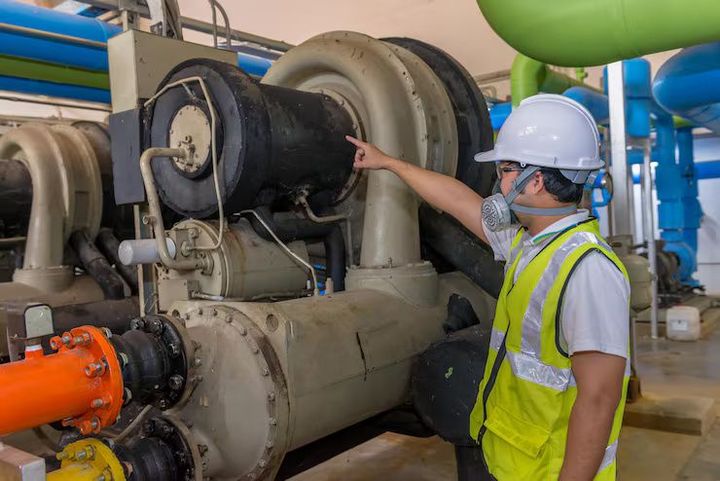
Explore Gas Turbines for Power Generation: Guide, Explanation, and Facts
Gas turbines are mechanical systems designed to convert the energy of compressed air and fuel into useful power. They exist to support electricity generation, industrial processes, and large-scale mechanical operations where high power output and continuous operation are required
Gas turbine technology evolved to meet the growing demand for reliable power, flexible generation, and efficient industrial systems. Today, gas turbines are found in power plants, oil and gas facilities, aviation-derived systems, and manufacturing environments that require stable and scalable energy solutions.
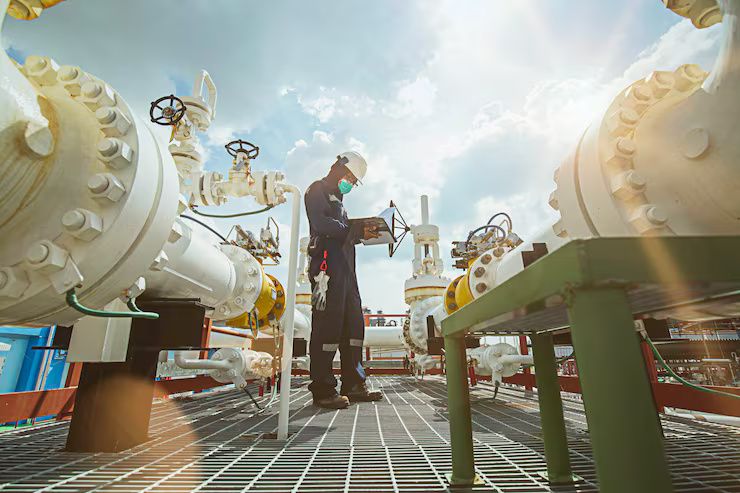
Why Gas Turbines Matter Today
Gas turbines play a critical role in addressing current energy and industrial challenges. They affect utilities, industrial operators, infrastructure planners, and energy policymakers.
Key reasons gas turbines remain important include:
-
Flexible power generation: Gas turbines can start and stop faster than many traditional systems, making them suitable for balancing variable energy demand.
-
Industrial reliability: Continuous processes in industries such as refining, chemicals, and manufacturing depend on stable turbine-driven power.
-
Lower emissions compared to older technologies: Modern turbine designs focus on cleaner combustion and improved efficiency.
-
Support for grid stability: Gas turbines help manage peak loads and support renewable energy integration.
Gas turbines help solve problems related to power shortages, demand fluctuations, and the need for dependable energy sources. Their adaptability makes them suitable for both large utility-scale plants and decentralized industrial applications.
How Gas Turbines Work: Operating Principles Explained
Gas turbines operate using a thermodynamic cycle commonly known as the Brayton cycle. The system consists of three main stages that work continuously.
Air compression process
-
Ambient air is drawn into the compressor.
-
The compressor increases air pressure significantly.
-
Compressed air is directed toward the combustion chamber.
Combustion and energy release
-
Fuel is injected into the compressed air.
-
Controlled combustion occurs at high temperature.
-
The resulting high-energy gases expand rapidly.
Power generation through expansion
-
Expanding gases flow through turbine blades.
-
The turbine shaft rotates due to gas pressure.
-
Rotational energy is transferred to generators or equipment.
A simplified representation of gas turbine operation is shown below.
| Stage | Key Function | Output |
|---|---|---|
| Compression | Increases air pressure | High-pressure air |
| Combustion | Releases thermal energy | Hot gas flow |
| Expansion | Converts heat to motion | Mechanical power |
This continuous process allows gas turbines to produce steady power over long operating periods.
Industrial Applications of Gas Turbines
Gas turbines support a wide range of industrial and infrastructure applications. Their versatility allows them to be adapted for different operational needs.
Power generation applications
-
Combined cycle power plants
-
Peak load electricity generation
-
Backup and standby power systems
Industrial process applications
-
Mechanical drive systems for compressors and pumps
-
Cogeneration systems producing heat and power
-
Large-scale manufacturing energy supply
Energy and infrastructure uses
-
Oil and gas processing facilities
-
Pipeline compression systems
-
Offshore and remote power installations
Gas turbines are often selected when consistent performance, compact footprint, and operational flexibility are required.
Recent Developments and Trends in Gas Turbine Technology
Over the past year, gas turbine technology has continued to evolve in response to efficiency goals and environmental considerations.
Notable updates and trends include:
-
Advanced materials adoption (2024–2025): Increased use of high-temperature alloys and ceramic coatings to improve durability.
-
Efficiency-focused designs: Manufacturers and researchers are improving combustion chamber geometry and turbine aerodynamics.
-
Integration with renewable energy systems: Gas turbines are increasingly used alongside solar and wind installations to stabilize power output.
-
Digital monitoring advancements: Modern turbines now use data analytics and sensors for performance tracking and predictive maintenance.
These developments aim to enhance reliability, reduce emissions, and extend operational life while maintaining high performance.
Laws, Policies, and Regulatory Influence
Gas turbine operation is influenced by national and international regulations related to energy production, emissions, and industrial safety.
Common regulatory areas include:
-
Emission standards: Governments enforce limits on nitrogen oxides (NOx) and other combustion-related emissions.
-
Energy efficiency guidelines: Policies encourage improved efficiency in power generation equipment.
-
Grid integration rules: Utilities must comply with grid stability and dispatch regulations.
-
Environmental compliance programs: Gas turbines are often evaluated under clean energy transition frameworks.
In many countries, gas turbines are included in energy transition strategies due to their ability to support cleaner fuels and hybrid energy systems.
Tools and Resources for Learning About Gas Turbines
A variety of educational and technical resources support understanding of gas turbine systems.
Commonly used learning and analysis tools
-
Thermodynamic cycle simulators
-
Power generation performance calculators
-
Turbine efficiency estimation models
Technical knowledge resources
-
Engineering reference guides
-
Energy systems textbooks
-
Industry research publications
Digital learning platforms
-
Interactive turbine operation diagrams
-
Industrial energy system tutorials
-
Data visualization tools for turbine performance
These resources help learners, engineers, and planners build practical knowledge of gas turbine systems.
Frequently Asked Questions About Gas Turbines
What is the main purpose of a gas turbine?
Gas turbines are designed to convert thermal energy into mechanical or electrical power for industrial and power generation applications.
How are gas turbines different from steam turbines?
Gas turbines use hot combustion gases directly, while steam turbines rely on steam generated from heated water.
Are gas turbines used only for electricity generation?
No. Gas turbines are also used to drive mechanical equipment such as compressors and pumps in industrial facilities.
What fuels are commonly used in gas turbines?
Gas turbines typically operate using natural gas, liquid fuels, or alternative gaseous fuels depending on system design.
Why are gas turbines important for modern power grids?
Their fast response time and flexible operation help balance electricity demand and support grid stability.
Conclusion
Gas turbines are a foundational technology in modern power generation and industrial energy systems. Their ability to deliver reliable power, support flexible operations, and adapt to evolving energy requirements makes them highly relevant today.