Discover Industrial Automation Solutions: Detailed Knowledge, Advice, and Expert Suggestions
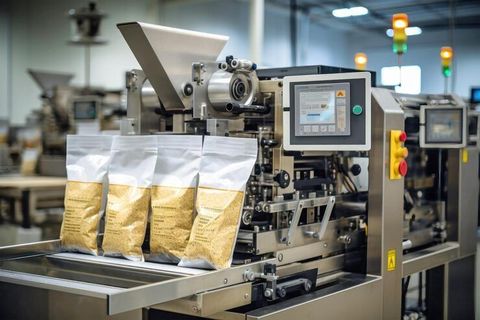
Industrial automation solutions describe the technologies, systems, and programmable tools that help industries perform tasks with minimal human involvement. These systems were developed to improve accuracy, efficiency, and reliability during manufacturing, processing, monitoring, and operational workflows
These solutions exist across multiple sectors, including manufacturing, automotive, pharmaceuticals, logistics, food processing, energy, electronics, and heavy industries. Modern automation systems allow organizations to transition from manual tasks to digital and intelligent processes, improving connectivity and enabling greater operational visibility.
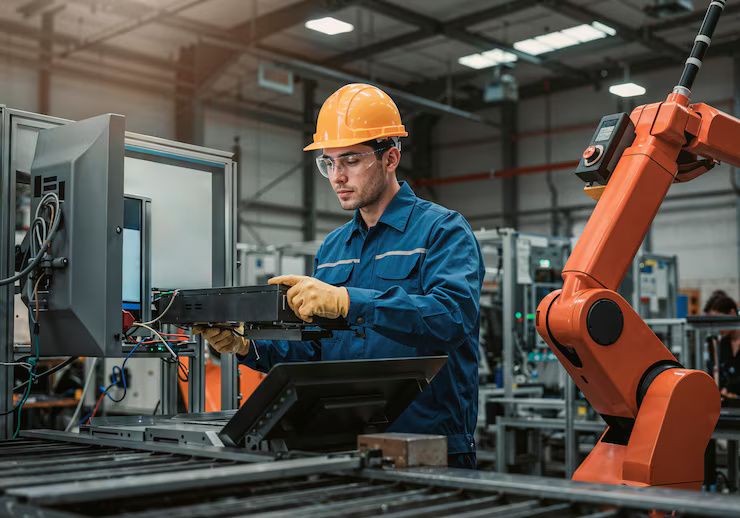
Importance of Industrial Automation Solutions
Industrial automation solutions matter today because of the increasing global demand for efficiency, consistency, and safe working environments. Automation enhances productivity by allowing machines to handle tasks that require precision, repetition, and continuous monitoring.
These solutions affect many groups, including factory operators, engineers, plant managers, equipment designers, and industries that rely on continuous output. Automated systems also help reduce human exposure to hazardous environments, improving workplace safety.
Automation plays an essential role in addressing challenges such as production delays, human error, inaccurate data collection, energy inefficiency, and manual control limitations. Industries that adopt automation solutions experience improved operational stability, reduced downtime, and better resource utilization.
Some of the key benefits include:
-
Improved accuracy in production tasks
-
Enhanced monitoring through real-time data
-
Reduced manual dependency
-
Higher repeatability and consistency
-
Better energy and resource planning
-
Improved quality control
In sectors where precision and timing are critical—such as chemical processing, electronics manufacturing, and pharmaceuticals—automation provides the reliable control needed to maintain product standards.
Recent Updates and Trends in Industrial Automation (2024–2025)
Industrial automation continues evolving with new technological advancements. Over the past year, several notable trends have gained momentum in manufacturing and industrial infrastructure.
One major trend is the rise of AI-driven automation. In 2024, industries increasingly adopted machine learning models to optimize production lines, monitor equipment health, and predict machine failures before they occur. This shift supports enhanced decision-making and reduces downtime.
Collaborative robots (cobots) also saw higher adoption, with growing interest in systems that work safely alongside human operators. These robots are used in assembly lines, packaging units, inspection stations, and material handling.
Another key update is the increased use of industrial IoT platforms, which help integrate sensors, controllers, and data analytics systems. These platforms allow industries to track real-time performance, monitor energy usage, and gather insights for system improvements.
The transition to smart manufacturing has accelerated as well. Factories are adopting connected devices, automated workflows, and cloud-supported decision systems to improve scalability.
Additionally, cybersecure automation architectures became a priority due to the growing digitalization of factories. Manufacturers in 2024 emphasized secure communication channels, encrypted data transfer, and protected industrial networks.
As industries prepare for 2025 and beyond, the focus continues shifting toward scalable automation, predictive systems, and digitally integrated operations.
Laws and Policies Affecting Industrial Automation Solutions
Industrial automation is influenced by regulations that vary across countries. These laws often relate to safety standards, equipment certification, energy efficiency, and the protection of workers interacting with automated systems.
Many regions emphasize workplace safety compliance. Regulations may require industries to follow machine-safety guidelines, ensure emergency-stop mechanisms, and maintain clearly defined control systems. Standards often require protective enclosures, warning systems, and sensor-based safety mechanisms.
Automation in manufacturing may also be influenced by national programs that promote digital adoption. Some countries support initiatives to modernize factories through incentives, technology grants, or digital infrastructure programs.
Energy regulations also affect automation, especially in industries that use automated cooling, heating, or processing systems. Efficiency guidelines may encourage industries to adopt energy-management automation solutions.
Data protection policies influence the way industries store and manage the information collected by sensors and automated systems. When automation involves cloud-supported monitoring or analytics, compliance with data privacy standards becomes essential.
Countries with strong industrial growth maintain guidelines for equipment certification, robotics safety, and automated control system approval to ensure reliability and operational compliance.
Tools and Resources for Industrial Automation Solutions
A variety of tools and resources support the understanding and application of industrial automation. These tools help users design systems, calculate performance, simulate workflows, and analyze operational data.
Helpful Tools and Platforms
-
Automation system simulators – Used for modeling workflows, testing control logic, and visualizing system sequences.
-
PLC programming software – Helps create, adjust, and analyze program logic for controlled automation tasks.
-
SCADA monitoring tools – Useful for observing industrial processes, tracking system data, and diagnosing operational issues.
-
Industrial IoT dashboards – Platforms that allow real-time data tracking from sensors, equipment, and connected devices.
-
Energy consumption calculators – Assist industries in estimating power requirements for automated systems.
-
Data visualization tools – Convert raw industrial data into charts, graphs, and automated reports.
-
Technical standards databases – Provide guidelines for safety, design, and operational compliance in automation.
Educational Resources
-
Online industrial automation learning platforms
-
Technical documentation libraries
-
Engineering handbooks
-
Industrial technology research papers
-
Basic programming guides for PLCs, robotics, and control systems
These resources support engineers, students, designers, and plant operators in understanding the structure, design, and operation of automated systems.
FAQs
What are industrial automation solutions used for?
They are used to control, monitor, and manage industrial processes with greater precision and consistency. Automation assists in tasks such as assembly, inspection, material handling, temperature control, and data analysis.
Do automation systems help improve accuracy?
Yes, automation allows tasks to be repeated with high precision, reducing errors and improving product quality. Automated control helps maintain consistent performance during large-scale production.
What technologies are part of industrial automation?
Common technologies include programmable logic controllers, robotics, industrial sensors, machine vision, data analytics platforms, and smart monitoring devices.
How does automation support safety?
Automation reduces direct manual involvement in hazardous tasks. Sensors, safety controllers, and emergency-stop systems enhance workplace protection and help maintain compliance with safety guidelines.
Is industrial automation only used in manufacturing?
No, it is used in logistics, energy plants, food processing, automotive systems, pharmaceuticals, packaging units, and many other sectors requiring controlled processes.
Conclusion
Industrial automation solutions play an essential role in supporting modern industrial processes. They improve accuracy, regulate operations, and ensure consistent output across various sectors. Technological advancements, including AI-supported systems and connected devices, continue shaping the evolution of automated workflows.