Discover CNC Machining Technology: Tools, Techniques, and Modern Innovations
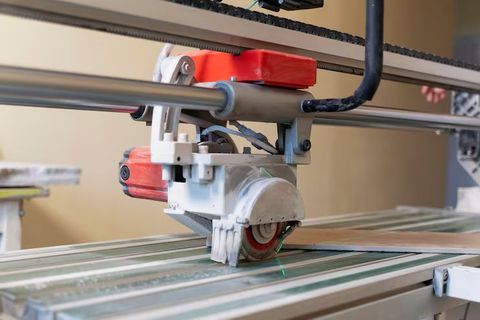
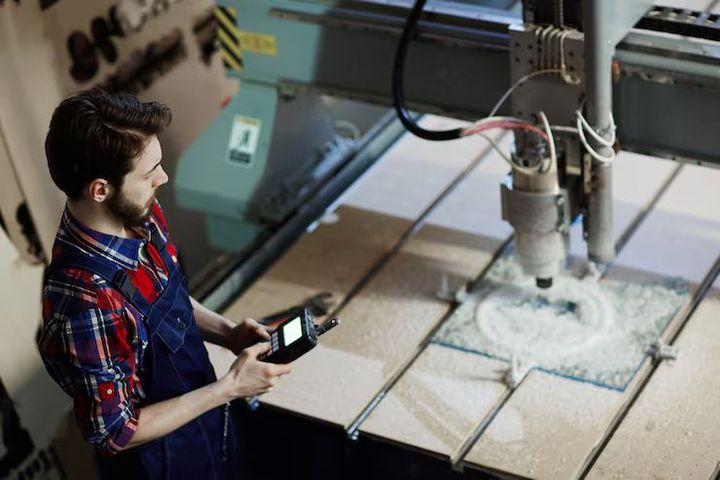
CNC machines, also known as Computer Numerical Control machines, are automated systems that use programmed instructions to perform precise cutting, shaping, drilling, and machining tasks. Instead of manual operation, these machines rely on digital commands to control movement, speed, and tool position
Today, CNC technology plays a central role in manufacturing industries around the world, supporting production in sectors such as automotive, electronics, aerospace, medical equipment, and industrial engineering. The design of CNC machines allows consistent manufacturing quality, reduced material waste, and faster production cycles.
Importance — Why CNC Machines Matter Today
CNC machines are essential to modern industrial operations due to their ability to create high-precision components at a large scale. Their impact is felt across various fields, from small workshops to global manufacturing plants.
Key reasons why CNC machines matter today include:
High Precision and Consistency
CNC systems produce identical components with controlled tolerances. This precision is critical for industries that require accuracy, such as aerospace or medical device manufacturing.
Increased Productivity
CNC machines operate continuously and can handle complex processes with minimal supervision. This increases output and supports high-volume manufacturing.
Reduced Human Error
Automation minimizes manual involvement, lowering the risk of inaccuracies and ensuring consistent quality.
Enhanced Safety
CNC machines reduce direct human contact with cutting tools and high-speed operations, making industrial environments safer.
Flexibility in Design and Prototyping
Manufacturers can easily modify G-code programs to produce new designs, supporting rapid prototyping and customized production.
Compatibility with Smart Manufacturing
In the era of Industry 4.0, CNC machines integrate with sensors, IoT platforms, and digital monitoring systems, allowing real-time analytics and improved efficiency.
Recent Updates — Trends and Developments (2024–2025)
Across the past year, CNC technology has seen major advancements driven by automation, software upgrades, and sustainability goals.
Below is a table highlighting key trends:
| Trend (2024–2025) | Description | Impact on Industry |
|---|---|---|
| Multi-Axis Machining Growth | Increased use of 5-axis and 7-axis machines | Improved capability for complex geometries |
| AI-Assisted Machining | AI algorithms optimize tool paths and reduce errors | Better surface finish, longer tool life |
| Hybrid CNC Systems | Combining CNC machining with additive manufacturing | Supports rapid prototyping and custom parts |
| Energy-Efficient Machines | Use of low-energy motors and smart drives | Reduced environmental impact |
| Remote Monitoring | Cloud-based CNC machine supervision | Enhanced troubleshooting and predictive analytics |
| Tool Condition Monitoring | Sensor-based wear detection | Minimizes unplanned downtime |
These developments support precision-intensive industries and strengthen the role of CNC technology in global manufacturing.
Laws or Policies — Regulations Affecting CNC Machines
CNC machines operate under strict safety and operational standards. These guidelines ensure that machining environments follow safe, reliable, and environmentally responsible practices.
Standards Commonly Followed by Manufacturers
-
ISO 23125 — Safety standards for turning machines
-
ISO 16090-1 — Safety requirements for milling machines
-
ISO 9001 — Quality management systems for manufacturing
-
IEC 60204-1 — Electrical safety for industrial equipment
-
ANSI B11 Series (US) — Machine tool safety guidelines
-
EU Machinery Directive 2006/42/EC — Safety compliance for machines in European markets
These standards regulate areas such as machine guarding, electrical control systems, emergency stops, and operator safety.
Environmental and Industrial Policies
Many countries encourage sustainable manufacturing through guidelines that promote:
-
Low-energy motors
-
Reduced emissions
-
Waste recycling
-
Efficient resource use
-
Environmentally responsible machining fluids
These policies influence CNC machine design, focusing on energy efficiency and reduced environmental footprint.
Tools and Resources — Helpful Systems for CNC Operations
CNC machines rely on various tools, software, and digital systems to operate efficiently. Below are essential resources used in modern machining environments.
Software Tools
-
CAD Software (AutoCAD, SolidWorks)
Used for designing parts and creating 3D models. -
CAM Software (Fusion 360, Mastercam)
Converts designs into machining instructions and tool paths. -
Simulation Tools
Allow virtual testing of machining processes before real operation.
Control Systems
-
G-code Programming Tools
Used to write or modify CNC machine commands. -
CNC Controllers
Systems like FANUC, Siemens, and Haas run machine operations.
Maintenance and Monitoring Tools
-
CMMS Systems
Track preventive maintenance schedules. -
IoT Platforms
Collect machine performance data and support predictive diagnostics. -
Tool Condition Monitoring Sensors
Analyze wear, temperature, and vibration levels.
Educational and Reference Resources
-
Machine design handbooks
-
CNC machining standards documentation
-
Online machining simulators
-
Industrial manufacturing guides
These resources help engineers, technicians, and learners understand CNC systems more effectively.
Industrial Applications of CNC Machines
CNC machines are used across nearly all manufacturing sectors. Their versatility makes them suitable for complex and high-precision tasks.
Below is an overview of common applications:
| Industry | CNC Machine Used | Application |
|---|---|---|
| Automotive | CNC lathes, milling machines | Engine components, gear systems |
| Aerospace | 5-axis CNC machines | Turbine blades, structural parts |
| Electronics | Micro-milling machines | PCB manufacturing |
| Medical Devices | Precision milling and turning | Surgical tools, implants |
| Industrial Engineering | CNC grinders, routers | Machine parts and fixtures |
| Furniture & Woodworking | CNC routers | Custom designs, large-scale production |
CNC technology supports both mass production and customized manufacturing across these industries.
FAQs
1. What materials can CNC machines work with?
CNC machines can process metals, plastics, composites, wood, foams, and even ceramics, depending on the type of tool being used.
2. What is G-code in CNC machining?
G-code is the programming language that controls CNC machines. It instructs the machine on movement, speed, and tool rotation.
3. Why are multi-axis CNC machines important?
Multi-axis machines allow cutting from multiple directions without repositioning the part, improving accuracy and reducing machining time.
4. Are CNC machines environmentally friendly?
Many modern CNC systems use energy-efficient motors, optimized tool paths, and smart coolant systems that help reduce environmental impact.
5. What skills are useful for working with CNC machines?
Knowledge of CAD/CAM software, machine programming, mechanical principles, and safety standards is important for operating CNC systems.
Conclusion
CNC machines have transformed global manufacturing, enabling precise, efficient, and reliable production across industries. Their evolution—from early numerical control concepts to today’s intelligent, sensor-driven systems—continues to shape industrial progress. With advancements in automation, digital integration, and sustainable engineering, CNC machines remain at the center of modern production technologies.
Their combination of accuracy, scalability, and adaptability ensures that they will remain vital tools in shaping future innovations in engineering and manufacturing.