Coal Crushing Machines: A Complete Guide to Types, Working Principles, and Industrial Use
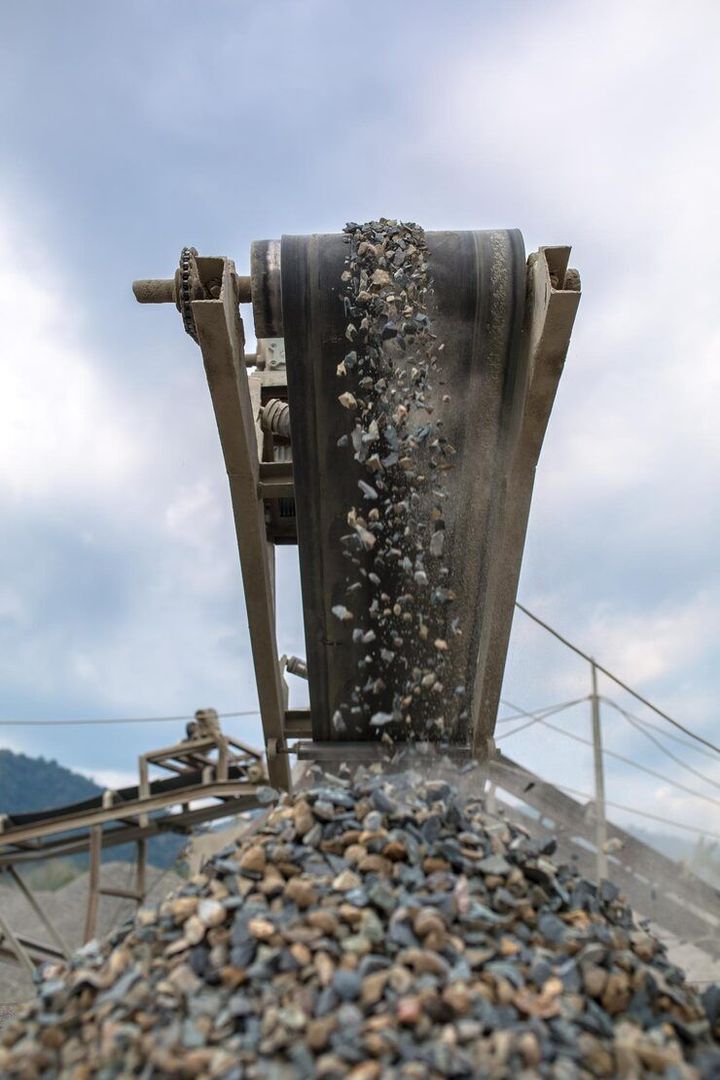
Coal crushing machines are industrial systems designed to break down raw coal into smaller, uniform pieces for easier handling, transport, and processing. These machines are widely used in mining operations, thermal power stations, steel manufacturing units, and cement industries
Coal, as a natural resource, often comes in large, hard lumps that cannot be directly used in combustion or industrial processes. This is why crushing technology exists—to prepare coal to meet size, quality, and performance requirements. The machines use mechanical forces such as compression, impact, or shear to reduce coal size efficiently and safely.

Importance
Coal crushing machines play a key role in several industrial processes:
Why They Matter
-
They improve combustion efficiency in power plants by ensuring uniform coal size.
-
They reduce material handling issues such as clogging and uneven feeding.
-
They help maintain stable furnace operations by providing consistent fuel quality.
-
They support downstream processes like screening, washing, and blending.
Who They Affect
-
Mining and mineral processing sectors
-
Power generation units
-
Steel and metallurgical industries
-
Cement production facilities
-
Transportation and logistics handling bulk coal
Problems They Help Solve
-
Difficulty in transporting large coal lumps
-
Uneven burning in boilers
-
Excessive wear in industrial furnaces
-
Safety risks from oversized or unstable fuel
-
Inefficient use of coal resources
Coal crushing machines therefore contribute to productivity, energy use efficiency, and operational stability in multiple heavy industries.
Recent Updates
The last few years have seen notable developments in coal preparation and crushing technologies (2023–2025):
-
2024: Several regions adopted stricter particulate emission standards, pushing industries toward more controlled and dust-reduced crushing systems.
-
2023–2025: Increased use of automation and monitoring sensors for vibration control, performance tracking, and predictive maintenance.
-
2024: Adoption of energy-efficient motors and optimized crushing chambers to reduce industrial electricity consumption.
-
2025: A shift toward hybrid crushing setups integrating digital controls with mechanical systems, improving accuracy and reducing downtime.
These updates reflect a broader movement toward safer, cleaner, and more efficient coal handling practices.
Laws or Policies
Coal crushing operations are influenced by multiple regulations depending on the country. Some common policy areas include:
Industrial Safety Regulations
-
Mandatory use of protective guards on moving parts
-
Regular inspection of machinery under occupational safety acts
-
Dust control requirements in enclosed or open crushing areas
Environmental Standards
-
Air quality norms controlling particulate emissions
-
Noise level limits for industrial processing zones
-
Guidelines for waste handling and coal residue management
Mining and Mineral Processing Rules
-
Standards for coal sizing before transport
-
Rules governing coal preparation plants
-
Requirements for safe storage and handling of raw coal
Power Sector Guidelines
-
Boiler and turbine fuel quality specifications
-
Maximum coal size allowed for thermal power operations
-
Requirements for uniform fuel feed in high-capacity furnaces
Policies aim to maintain worker safety, environmental compliance, and stable industrial operations.
Tools and Resources
Industries working with coal crushing machines use several tools, systems, and resources during operation and planning:
Technical Tools
-
Size analyzers for measuring crushed coal output
-
Vibration and temperature monitoring sensors
-
Load monitoring systems
-
Digital control panels for crusher settings
Design and Planning Resources
-
Material hardness charts for selecting crusher types
-
Coal preparation and grading manuals
-
Capacity calculation templates for plant engineers
Operational Tools
-
Belt conveyor alignment tools
-
Dust suppression systems
-
Protective inspection checklists
-
Maintenance scheduling charts
These tools help improve efficiency, safety, and consistency during coal crushing operations.
FAQs
What is the main purpose of a coal crushing machine?
Its main purpose is to reduce large lumps of coal into smaller, uniform sizes that are easier to handle, transport, and use in industrial processes such as power generation and steelmaking.
What types of coal crushers are commonly used?
Common types include jaw crushers, hammer crushers, impact crushers, roll crushers, and rotary breakers. Each uses a different mechanical method depending on the hardness and moisture content of the coal.
Is crushed coal better for power plants?
Yes. Uniformly crushed coal burns more evenly, reduces furnace stress, and improves thermal efficiency in boilers.
Do coal crushing machines require regular maintenance?
Yes. Maintenance is important for preventing wear, reducing breakdowns, and ensuring safe operation. Common tasks include lubrication, inspection of wear plates, alignment checks, and motor performance monitoring.
Are coal crushers impacted by environmental rules?
Yes. Many countries require dust control systems, noise reduction measures, and compliance with air quality standards during coal crushing and handling.
Conclusion
Coal crushing machines are essential components in the coal preparation and industrial fuel supply chain. They help ensure consistent coal quality, improve operational efficiency, and support safe material handling across mining, power generation, steel, and cement industries. With recent advancements in automation, monitoring technology, and environmental compliance, these machines continue to evolve toward safer and more efficient operations.