CNC Metal Cutting Machines: A Complete Guide to Basics, Functions, and Key Insights
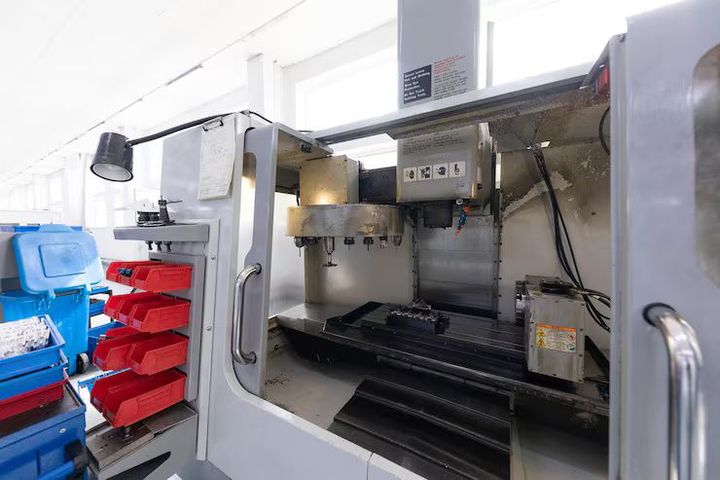
CNC metal cutting machines are automated manufacturing systems that remove material from metal workpieces using computer-controlled tools. CNC stands for Computer Numerical Control, a technology that translates digital instructions into precise mechanical movements
CNC technology was widely adopted, metal cutting tasks depended on manually operated lathes, mills, and grinders. While effective, manual operations were limited by speed, accuracy, standardization, and repeatability. As global manufacturing expanded, industries required more precise and scalable systems capable of producing complex components with minimal human intervention. CNC machines were developed to meet these rising demands. Today, they are essential to producing parts with advanced geometries, tight tolerances, and consistent quality.
Context
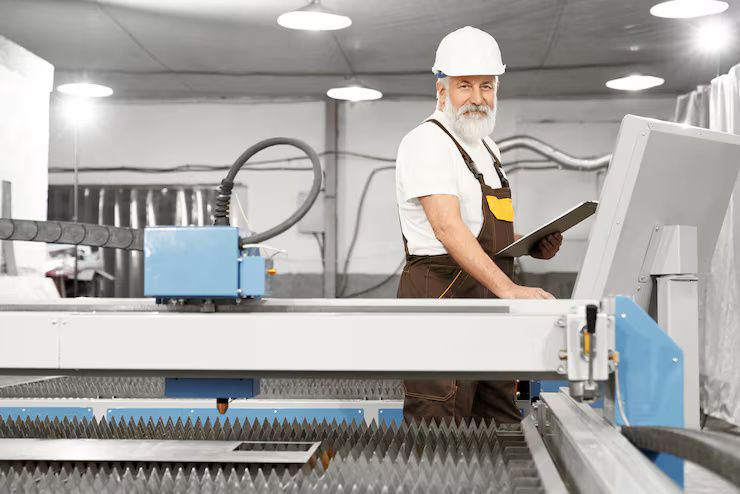
CNC metal cutting machines use a combination of mechanical components, digital controllers, sensors, and software to shape metal workpieces. The process begins with a digital model, usually created in CAD (Computer-Aided Design) software. This model is converted into machine-readable instructions using CAM (Computer-Aided Manufacturing) tools. The CNC controller uses these instructions to operate cutting tools such as drills, turning inserts, cutters, and grinding wheels.
The primary reason CNC metal cutting machines exist is to achieve high accuracy and automation. Metal components must meet strict dimensional requirements for safety, functionality, and standardization. CNC systems were introduced to reduce human error, streamline complex operations, and support large-scale industrial production.
Common categories of CNC metal cutting machines include:
-
CNC lathes
-
CNC milling machines
-
CNC machining centers
-
CNC laser cutting machines
-
CNC plasma cutting systems
-
CNC wire EDM and sinker EDM
-
CNC waterjet cutting machines
-
CNC grinding machines
Each type serves specific industrial needs depending on material hardness, shape complexity, edge quality, and production volume.
Importance
CNC metal cutting machines play a significant role in the global manufacturing ecosystem. Their importance comes from multiple factors:
Precision and Repeatability
CNC machines deliver highly accurate cuts with tolerances often measured in microns. This consistency is essential in industries such as aerospace, automotive, and medical devices where minor dimensional deviations can affect performance.
Scalability
CNC systems allow manufacturers to produce components in small batches or at mass-production scale without sacrificing accuracy. This adaptability supports prototyping, mid-volume production, and bulk manufacturing.
Efficiency and Productivity
By automating complex cutting operations, CNC machines reduce processing time and optimize material usage. Multi-axis machines can complete several operations simultaneously, reducing manual setups.
Enhanced Worker Safety
CNC automation reduces direct human involvement in high-speed cutting processes. Operators supervise digital systems rather than manually handling tools, lowering the risk of workplace injuries.
Support for Advanced Materials
Modern industries rely on stainless steel, titanium, alloys, hardened metals, and composite materials. CNC technology is equipped to work with these materials using specialized tools, high-speed spindles, and optimized feed rates.
Integration With Digital Manufacturing
CNC machines support:
-
Smart factory systems
-
IoT-connected monitoring tools
-
Digital twins for process simulations
-
Predictive maintenance technologies
These capabilities align CNC manufacturing with modern Industry 4.0 standards.
Recent Updates (Past Year)
Several advancements and industry changes were noted over the last year, contributing to new capabilities and trends in CNC metal cutting machines.
Expansion of 5-Axis and Multi-Axis Systems (2024–2025)
Between 2024 and 2025, the adoption of 5-axis and hybrid multi-axis CNC systems increased globally. These machines allow simultaneous cutting along multiple directions, enabling faster machining of complex parts such as turbine blades and aerospace components.
Greater Use of AI and Machine Learning
AI-enabled CNC systems became more common, featuring:
-
Automated parameter optimization
-
Real-time tool wear detection
-
Predictive maintenance alerts
-
Smart cutting strategy recommendations
Machine learning improved accuracy by analyzing vibration signals, tool performance, and cutting efficiency.
Growth of High-Speed Machining
Manufacturers adopted high-speed spindles, advanced carbide tools, and optimized cooling systems to reduce cycle times. High-speed machining gained popularity in mold making and precision engineering sectors.
Shift Toward Energy-Efficient CNC Machines
Newer CNC models focused on energy optimization through intelligent standby modes, efficient servo motors, and regenerative power systems. This trend supported sustainability initiatives across industries.
Rise of Additive–Subtractive Hybrid Systems
Some manufacturers introduced machines combining CNC metal cutting with metal 3D printing. These systems allowed near-net-shape manufacturing followed by CNC finishing to achieve required tolerances.
Enhanced Connectivity for Smart Factories
CNC machines increasingly supported OPC-UA, MTConnect, and IIoT-compatible protocols, enabling seamless integration with factory monitoring dashboards and digital production systems.
Laws or Policies
CNC metal cutting machines operate within a framework of national and international regulations. These rules influence machine design, workplace safety, and environmental compliance.
Machine Safety Standards
Many countries follow industrial machinery safety standards such as:
-
ISO 23125 for CNC turning machines
-
ISO 16089 for grinding machines
-
ISO 19085 series for CNC milling and routing systems
These standards cover safety controls, guarding mechanisms, emergency stops, and risk assessments.
Energy and Environmental Regulations
Governments encourage energy-efficient machinery by aligning CNC manufacturing with:
-
Power consumption guidelines
-
Emission control norms for industrial facilities
-
Environmental management standards such as ISO 14001
Several industries also adopt waste reduction practices related to metal chips, coolant fluids, and cutting lubricants.
Digital Manufacturing and Data Regulations
With the rise of smart CNC systems, countries emphasize:
-
Secure industrial data management
-
Factory cybersecurity
-
Compliance with national digital governance frameworks
These policies ensure the safe operation of IoT-connected CNC environments.
Workplace Safety Requirements
Manufacturing units using CNC systems must follow:
-
Occupational safety rules
-
Protective equipment guidelines
-
Noise and vibration control limits
-
Hazardous material handling regulations for coolants and lubricants
Compliance helps reduce the risk of industrial accidents.
Tools and Resources
Multiple resources assist engineers and learners in understanding CNC metal cutting operations.
Digital Design and Simulation Tools
-
CAD modeling applications
-
CAM programming software
-
Simulation tools for toolpaths and cutting forces
-
Digital twin platforms for machining process analysis
These tools help visualize and optimize machining before production.
Machining Calculators and Reference Guides
-
Cutting speed calculators
-
Feed rate tools
-
Tool life prediction charts
-
Material machinability databases
Such tools support accurate parameter selection for efficient machining.
Industry Standards and Technical Documents
-
ISO machining standards
-
ASME guidelines
-
National manufacturing reference manuals
These documents provide detailed technical and safety requirements.
Training and Learning Platforms
-
Online machining fundamentals courses
-
CNC programming tutorials
-
Workshops on G-code and M-code
-
Smart manufacturing learning portals
These platforms help beginners and professionals deepen their CNC knowledge.
Factory Monitoring Systems
Many industries use digital dashboards that track:
-
Spindle utilization
-
Machine idle time
-
Tool wear patterns
-
Real-time performance data
These tools support continuous improvement and predictive maintenance.
FAQs
1. What is the main function of a CNC metal cutting machine?
A CNC metal cutting machine removes material from a metal workpiece using automated, computer-controlled movements to achieve precise shapes and dimensions.
2. What materials can CNC metal cutting machines process?
They can process a wide range of materials, including steel, aluminum, cast iron, titanium, copper alloys, and hardened metals, depending on the machine type and cutting tool.
3. What is the difference between 3-axis and 5-axis CNC machines?
A 3-axis machine moves in X, Y, and Z directions. A 5-axis machine adds two rotary movements, enabling more complex cuts and reducing multiple setups for intricate geometries.
4. How does CNC programming work?
Programming involves converting a digital design into toolpaths using CAM software. These toolpaths are translated into G-codes and M-codes, which the CNC machine follows to perform cutting operations.
5. Why are CNC machines important in modern manufacturing?
They increase precision, improve productivity, support automation, and handle complex designs that are difficult or impossible to manufacture manually.
Conclusion
CNC metal cutting machines have become essential to modern manufacturing due to their precision, scalability, and compatibility with advanced digital technologies. They support industries that require standardized, high-quality metal components and enable faster development cycles. With the rise of AI-driven optimization, hybrid manufacturing, and smart factory systems, CNC machining continues to evolve toward greater efficiency and intelligence.