Wind Turbines and Renewable Energy: A Complete Guide to Sustainable Power
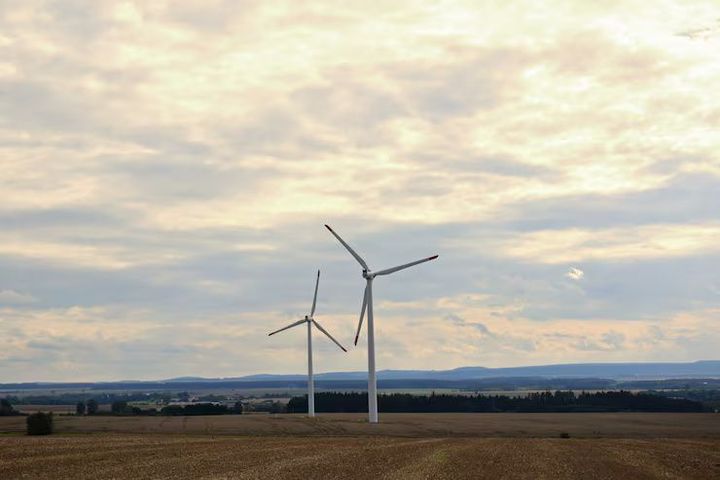
Wind energy is one of the world’s most important renewable energy sources, transforming the natural movement of air into electrical power. A wind turbine captures wind using large blades that rotate around a hub connected to a generator, converting kinetic energy into electricity
Modern wind energy technology has evolved from small agricultural windmills to large, computer-controlled turbines installed both onshore and offshore. The turbines can power anything from a single home to an entire industrial region, depending on capacity and scale.
Why Wind Energy Matters Today
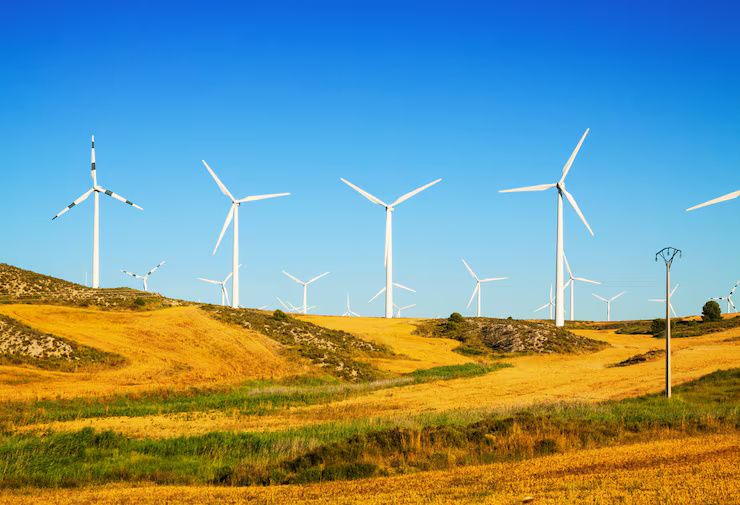
The urgency to address climate change and rising energy demand has made renewable energy sources — especially wind — vital for both environmental and economic reasons.
Key benefits and importance of wind turbines:
-
Sustainable Energy Source: Wind is renewable and inexhaustible, reducing dependency on fossil fuels.
-
Environmental Protection: It significantly cuts greenhouse gas emissions and air pollution.
-
Energy Security: Countries can diversify their energy mix, decreasing imports of coal and oil.
-
Job Creation: The wind energy sector supports thousands of skilled jobs in engineering, manufacturing, and maintenance.
-
Rural Development: Wind farms bring infrastructure and community investment to remote areas.
Wind power benefits not only national grids but also local communities through land lease income and cleaner air. As global electricity demand continues to rise, wind turbines are essential to creating a sustainable energy balance.
Recent Updates and Global Trends (2024–2025)
Over the past year, wind energy has advanced with innovations in turbine design, floating offshore systems, and data-driven performance optimization.
| Trend / Update | Description | Impact |
|---|---|---|
| Larger Turbine Blades | Turbines with blades longer than 120 meters can generate more power with fewer installations. | Increases efficiency and lowers maintenance costs. |
| Hybrid Renewable Systems | Integration of wind and solar projects to balance energy production. | Provides consistent power generation throughout the day. |
| AI and Predictive Maintenance | AI tools now monitor turbine health, predicting faults before breakdowns. | Reduces downtime and improves reliability. |
| Floating Offshore Wind Farms | New designs allow turbines to operate in deeper ocean waters. | Expands usable areas for wind power projects. |
| India’s Offshore Push (2025) | India initiated offshore wind projects along Gujarat and Tamil Nadu coasts. | Boosts national renewable capacity targets. |
Global leaders like Denmark, the UK, and China continue to expand wind capacity aggressively. According to recent estimates, wind energy accounted for over 30% of new renewable installations in 2024, signaling strong momentum toward carbon neutrality.
Policies, Laws, and Government Programs
Wind energy growth is closely tied to government policies and global commitments under the Paris Agreement and national renewable energy missions.
India’s Policy Framework:
-
National Offshore Wind Energy Policy (2015, updated 2023): Supports the development of offshore wind farms, especially in Gujarat and Tamil Nadu.
-
National Wind-Solar Hybrid Policy (2018): Encourages hybrid systems that combine wind and solar to optimize land and grid usage.
-
Renewable Purchase Obligations (RPOs): Mandates power distribution companies to source a certain percentage from renewables.
-
Generation-Based Incentive (GBI): Offers incentives to wind energy producers based on the amount of power generated.
-
Green Energy Corridor Project: Aims to improve transmission infrastructure for renewable power.
Global Regulatory Examples:
-
European Union: Target of 42.5% renewable energy share by 2030.
-
United States: Federal tax credits and state-level renewable portfolio standards (RPS).
-
China: National subsidies for offshore projects and rapid capacity expansion targets.
These policies collectively encourage private investment, technological innovation, and grid modernization to meet sustainability goals.
Types of Wind Turbines
| Turbine Type | Design Features | Best Suited For |
|---|---|---|
| Horizontal-Axis Wind Turbines (HAWT) | Traditional 3-blade design, faces the wind directly. | Large-scale onshore and offshore farms. |
| Vertical-Axis Wind Turbines (VAWT) | Blades rotate vertically, can capture wind from any direction. | Urban and small-scale applications. |
| Offshore Wind Turbines | Installed in oceans or large water bodies. | High wind potential and large capacity. |
| Floating Wind Turbines | Mounted on floating platforms anchored to seabeds. | Deep-sea locations beyond continental shelves. |
Each type serves unique geographic and economic contexts, allowing flexibility in deployment and energy production.
Tools, Data, and Resources for Wind Energy Planning
Developers, engineers, and policymakers use specialized tools to assess feasibility, performance, and economic viability.
Technical Tools
-
Wind Atlas and Mapping Tools: Provide wind speed data and potential zones (e.g., National Institute of Wind Energy – NIWE Atlas).
-
Energy Output Calculators: Estimate annual power generation based on wind speed and turbine model.
-
SCADA Monitoring Systems: Real-time monitoring of turbine performance and grid integration.
-
Computational Fluid Dynamics (CFD) Software: Simulates airflow to optimize turbine placement.
Analytical Resources
-
IRENA Renewable Capacity Statistics Reports – global annual updates.
-
MNRE India Dashboard – data on installed capacity and ongoing projects.
-
Global Wind Energy Council (GWEC) – research reports and policy updates.
-
WindEurope Market Outlook – European market insights and forecasts.
Using these resources ensures precise planning and helps stakeholders make informed investment and engineering decisions.
Environmental and Economic Impacts
Wind energy not only helps mitigate climate change but also strengthens local economies.
Environmental Advantages:
-
No carbon emissions during operation.
-
Reduces reliance on non-renewable energy.
-
Minimal water usage compared to thermal power plants.
Economic Contributions:
-
Local Manufacturing: Boosts demand for steel, composites, and electronics industries.
-
Employment: From project development to maintenance, each MW of wind power supports several jobs.
-
Community Revenue: Landowners receive lease payments for hosting turbines.
However, the sector also faces challenges such as land acquisition disputes, grid integration, and recycling of old turbine blades — areas now receiving research attention worldwide.
Wind Energy by the Numbers
| Parameter | India (2025) | Global (2025) |
|---|---|---|
| Installed Wind Capacity | 45+ GW | 1,050+ GW |
| Average Capacity Factor | 30–40% | 35–45% |
| Leading States / Countries | Tamil Nadu, Gujarat, Karnataka | China, US, Germany |
| Offshore Wind Pipeline | 30 GW (planned) | 200+ GW (operational + under construction) |
Wind power now contributes significantly to India’s renewable mix and plays a central role in achieving the 500 GW non-fossil fuel target by 2030.
Frequently Asked Questions (FAQs)
1. How do wind turbines generate electricity?
Wind turbines convert the kinetic energy of moving air into mechanical energy, which drives a generator to produce electricity.
2. Can wind energy work at night or during low wind conditions?
Yes, but efficiency decreases with low wind speeds. Hybrid systems combining wind and solar help maintain consistent output.
3. Are wind farms noisy or harmful to wildlife?
Modern turbines are designed to minimize noise. Environmental impact assessments ensure that projects avoid major bird migration routes.
4. How long does a wind turbine last?
Typically 20–25 years. Regular maintenance can extend operational life and improve output efficiency.
5. What happens to old wind turbines?
Turbine parts like steel and copper are recyclable. Research is ongoing into sustainable recycling of composite blades.
Conclusion
Wind turbines are more than just engineering marvels — they are symbols of a sustainable future. As technology advances, energy systems are becoming smarter, cleaner, and more resilient.
From India’s coastal projects to global offshore expansions, wind energy continues to redefine the renewable landscape. The integration of digital tools, flexible policies, and environmental commitment ensures that wind power will remain a key pillar in achieving global energy independence and carbon neutrality.