Water Filtrations: An Informative Guide to Basics, Explanation, and Practical Insights
Water filtration refers to the process of removing physical, chemical, and biological impurities from water to make it suitable for domestic, industrial, environmental, and municipal use. It plays a foundational role in public health, agricultural production, food processing, and water-resource management
The concept of water purification is centuries old. Ancient civilizations used sand beds, boiling, and cloth filtering to improve water clarity. Over time, scientific understanding of pathogens and waterborne diseases evolved, leading to modern filtration methods such as activated carbon, membrane filtration, UV treatment, and multi-stage purification systems.
Today, water filtration is essential due to urban growth, industrial activities, population expansion, and increasing pressure on freshwater resources. As water quality becomes a public priority, filtration technologies have become more advanced, efficient, and environmentally responsible.
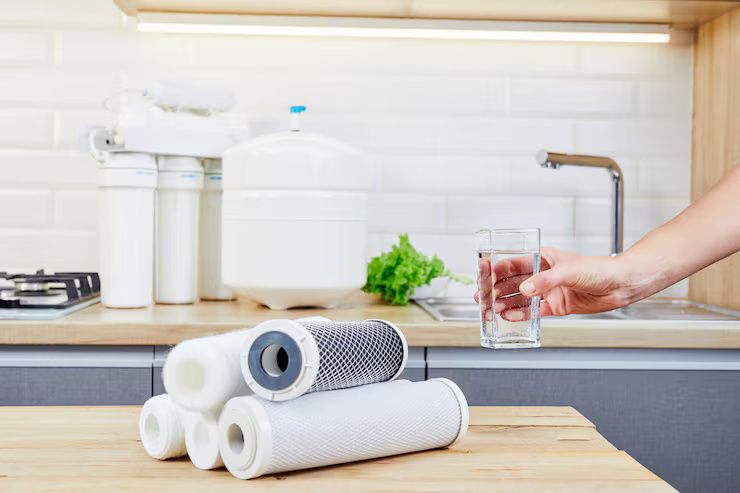
Importance — Why Water Filtration Matters Today
Clean water access is linked to economic stability, health, sanitation, and food security. Water filtration addresses several challenges that impact millions globally.
Key reasons water filtration is important include:
Protection from Contaminants
Water sources often contain sediments, microplastics, chemicals, heavy metals, pathogens, and organic matter. Filtration ensures safer water for drinking, cooking, and industrial operations.
Prevention of Waterborne Diseases
Filtration reduces microbes such as bacteria, viruses, and parasites. This helps limit illnesses related to poor water quality and supports public health efforts.
Improved Taste and Odor
Unfiltered water may have chlorine, sulfur, or organic compounds that affect taste. Filtration removes these elements and enhances sensory quality.
Support for Industrial Processes
Sectors like pharmaceuticals, food processing, electronics, textile manufacturing, and power generation rely on high-quality water to maintain standards and operational efficiency.
Environmental Sustainability
Filtration systems help reduce dependence on bottled water and support efficient reuse practices, especially in drought-prone regions.
Agricultural Efficiency
Filtered water prevents clogging of irrigation systems and safeguards soil quality.
Across households, municipal systems, and industries, water filtration remains a crucial component of daily functioning and long-term resource management.
Recent Updates — Trends and Advancements (2024–2025)
Water purification technology continues to evolve with research, environmental concerns, and digital transformation. Over the past year, several trends have shaped the water filtration landscape.
| Trend | Description | Impact |
|---|---|---|
| Smart Monitoring Systems | IoT-enabled sensors measure water quality in real time. | Improved accuracy and early detection of contaminants. |
| Membrane Filtration Improvement | Stronger and more efficient RO and UF membranes developed in 2024. | Lower energy use and longer lifespan. |
| Emerging Contaminant Awareness | Increased studies on microplastics and PFAS (2024 reports). | Encourages advanced filtration in municipal supply. |
| Zero-Waste Filtration | Systems reduce water rejection rates in RO processes. | Better resource conservation. |
| UV-LED Technology Adoption | UV-LED systems replace mercury-based UV lights. | Longer life, reduced power consumption. |
In early 2025, several regions globally also reported updated water-quality monitoring frameworks, focusing on real-time tracking and microbial risk reduction. Public and industrial attention on sustainable water management has increased, motivating rapid development of more efficient, environmentally friendly filtration techniques.
Laws or Policies — Regulations Affecting Water Filtration
Water filtration practices are influenced by national and international water-quality regulations. These rules ensure that drinking water, industrial water, and wastewater are treated to safe levels.
Standards Commonly Referenced Worldwide
-
WHO Drinking Water Guidelines – International reference for microbial and chemical safety.
-
ISO Water Quality Standards – Cover sampling, treatment methods, and testing.
-
Environmental Protection Regulations – Address industrial discharge and freshwater quality protection.
Examples of Regulations Followed in India
-
Bureau of Indian Standards (BIS – IS 10500) defines drinking water specifications.
-
Central Pollution Control Board (CPCB) sets guidelines for industrial effluents and wastewater treatment.
-
National Rural Drinking Water Programme supports safe water access in rural areas.
-
State Water Authorities and Municipal Acts regulate local water treatment and distribution.
Policies emphasize:
-
microbial safety
-
chemical contaminant limits
-
testing requirements
-
wastewater reuse guidelines
-
environmental protection
Compliance ensures that households, industries, and municipalities follow safe, standardized filtration practices.
Tools and Resources — Useful Systems, Tests, and Knowledge Platforms
Several tools, applications, testing kits, and platforms help individuals, researchers, and industries analyze, monitor, and improve water filtration processes.
Useful Tools and Resources Include:
Water Testing Kits
-
Digital TDS meters
-
pH strips and meters
-
Turbidity measuring devices
These allow quick assessment of water purity and mineral levels.
Mobile Apps for Monitoring
-
Apps for water quality tracking
-
Smart home apps linked to filtration systems
-
Utility dashboards for municipal water updates
Knowledge and Research Platforms
-
Environmental science portals
-
Water treatment learning platforms
-
Government resources on public water quality
Technical Tools for Industries
-
SCADA systems for monitoring water treatment plants
-
IoT sensors for quality, flow, and pressure
-
Simulation tools for optimizing filtration plant design
Filtration Categories Used Worldwide:
-
Activated carbon filters
-
Sediment filters
-
Reverse osmosis (RO) systems
-
Ultraviolet (UV) purification
-
Ultrafiltration (UF)
-
Ceramic and sand filters
-
Ion exchange systems
These tools support everything from household filtration to large-scale industrial purification.
Frequently Asked Questions (FAQs)
1. What is the purpose of water filtration?
Water filtration removes impurities such as sediments, chemicals, microbes, and contaminants to make water cleaner and safer for daily, agricultural, and industrial use.
2. Which water filtration method is most commonly used?
Sediment filtration, activated carbon, reverse osmosis, and UV purification are widely used because they collectively address physical, chemical, and microbial impurities.
3. Does filtered water remove all minerals?
Some filtration methods, such as reverse osmosis, may reduce mineral content. Other methods like ultrafiltration or activated carbon typically retain essential minerals.
4. How often should water quality be tested?
Water sources used for drinking or cooking should be checked regularly, especially if there are changes in taste, odor, color, or local supply conditions.
5. Is filtration necessary if municipal water is already treated?
Even treated water may travel through pipelines where it picks up sediments or contaminants. Filtration adds an extra layer of safety and improves taste and clarity.
Conclusion
Water filtration remains a cornerstone of public health, environmental sustainability, and industrial efficiency. As global populations grow and water resources face increased stress, filtration systems provide essential protection from physical contaminants, chemical pollutants, and microbial threats.
Advancements in digital monitoring, membrane technology, and energy-efficient purification methods continue to improve water quality across homes, businesses, and cities. Regulatory frameworks further guide standards for safety and environmental protection.