Spare Parts: A Complete Guide to Types, Functions, and Industrial Use
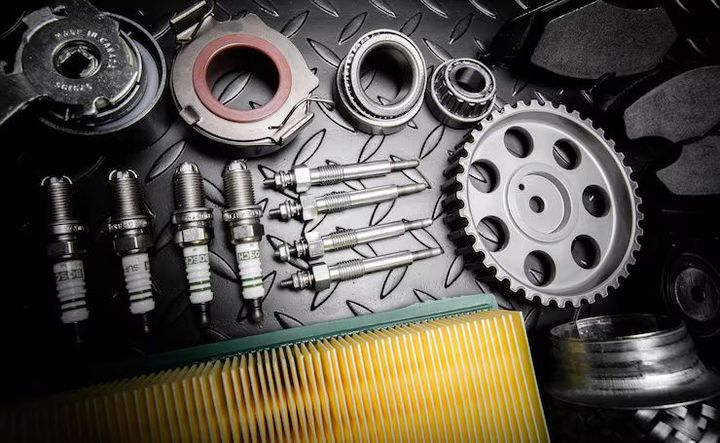
Spare parts are components kept in reserve to replace damaged, worn-out, or malfunctioning parts in machinery, vehicles, electronics, and industrial equipment. They exist to ensure smooth and continuous operations, prevent system downtime, and extend the lifespan of machines
The use of spare parts began during the early phases of industrialization, when factories recognized the need to maintain production efficiency. As machines grew more complex, industries started maintaining structured inventories of components such as belts, bearings, motors, valves, and electronic modules.
In modern industries, spare parts support manufacturing, transportation, healthcare, construction, agriculture, and energy sectors. With equipment becoming increasingly automated and technology-driven, having the right spare parts available at the right time is essential for operational continuity.
Importance – Why Spare Parts Matter Today
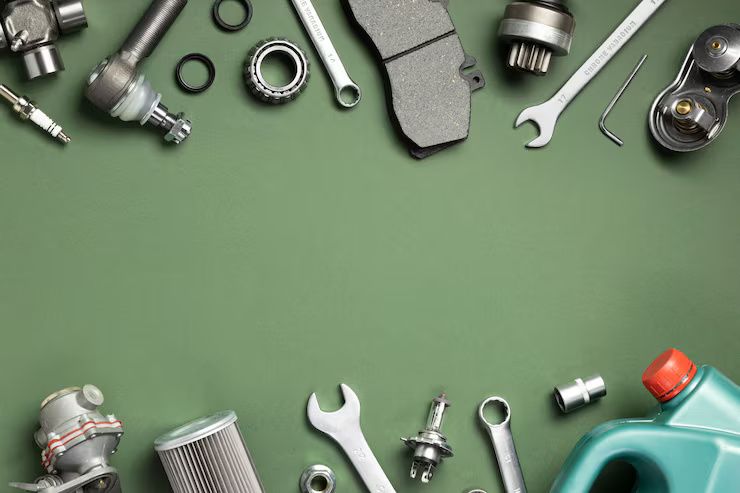
Spare parts play a crucial role in operational reliability across industries. Their importance continues to grow as machines become more advanced and industry infrastructure becomes more interconnected.
Key reasons why spare parts matter:
Operational Continuity
Industries rely on machines that must run continuously. Spare parts reduce downtime by enabling quick repairs.
Equipment Life Extension
Replacing components at the right time helps maintain equipment health and prevent major breakdowns.
Cost and Resource Efficiency
Timely replacement prevents further damage to larger systems and reduces waste.
Safety and Risk Management
Faulty or worn parts can lead to accidents. Regular replacement ensures workplace safety.
Standardization and Quality Control
Using approved spare parts keeps machinery aligned with factory specifications, ensuring consistent output.
Recent Developments and Trends (2024–2025)
Technological advances are transforming how industries manage, track, and use spare parts. The shift toward digital manufacturing, automation, and data-driven maintenance has made spare parts management more efficient and predictive.
Key trends include:
| Trend | Description | Impact on Industries |
|---|---|---|
| Predictive Maintenance | Sensors detect early wear and alert for replacement. | Reduces emergency downtime. |
| Digital Inventory Management | AI-based tools track inventory and automate stock planning. | Avoids stockouts and excess storage. |
| 3D Printing of Spare Parts | On-demand printing of custom components. | Reduces lead time and storage needs. |
| Smart Supply Chains | IoT-connected systems monitor part movement. | Ensures real-time visibility. |
| Standardization and Global Compatibility | Universal component specifications. | Easier sourcing and interchangeability. |
| Sustainability and Circular Design | Reusable materials and refurbished parts. | Reduces waste and environmental impact. |
Industries such as automotive, aerospace, medical equipment, and manufacturing are among the earliest adopters of these advanced spare parts strategies.
Laws, Policies, and Standards Influencing Spare Parts
Spare parts are regulated by safety, quality, and environmental standards that vary by region and industry.
Key frameworks include:
India
-
Bureau of Indian Standards (BIS) – Ensures quality and safety compliance.
-
Factories Act, 1948 – Mandates safe machinery operation and timely repairs.
-
Automotive Industry Standards (AIS) – Defines component compatibility and performance.
-
Environmental Rules, 2016 – Specifies safe disposal of used or damaged components.
International Standards
-
ISO 9001 – Quality management for spare parts production.
-
ISO 55000 – Asset management including maintenance and parts lifecycle.
-
IEC Standards – Electrical and electronic components safety.
-
RoHS and REACH Regulations – Restrict hazardous substances in electronic components.
Compliance ensures machines are safe, reliable, and environmentally responsible.
Types of Spare Parts
Spare parts can be categorized based on their function, usage frequency, and criticality.
1. Consumable Spare Parts
These parts wear out constantly and require frequent replacement.
Examples:
-
Belts
-
Filters
-
Seals
-
Lubricants
-
Cutting tools
Used in industries like manufacturing, automotive, HVAC, and energy.
2. Operational Spare Parts
Parts that support routine functioning and must be replaced periodically.
Examples:
-
Bearings
-
Valves
-
Sensors
-
Electrical relays
These maintain the efficiency and precision of machines.
3. Critical Spare Parts
Essential components required to avoid catastrophic equipment failure.
Examples:
-
Motors
-
Hydraulic pumps
-
Circuit boards
-
Safety devices
-
Gear assemblies
Industries keep these readily available due to their importance for safety and production.
4. Emergency Spare Parts
Parts used only in failure conditions.
Examples:
-
Emergency shutdown modules
-
Backup power components
Used in sectors like energy, manufacturing, and chemical processing.
5. Capital Spare Parts
High-value components purchased at the time of equipment installation.
Examples:
-
Turbine blades
-
Compressors
-
Control panels
Industries treat these as long-term assets.
Applications Across Industries
Spare parts support operations in nearly every industrial and commercial field.
| Industry | Common Spare Parts | Purpose |
|---|---|---|
| Manufacturing | Bearings, CNC tool inserts, belts | Smooth production workflow |
| Automotive | Brake components, filters, sensors | Vehicle performance and safety |
| Aerospace | Avionics modules, landing gear parts | High-reliability operations |
| Energy & Power | Turbine parts, transformers, connectors | Electrical grid stability |
| Healthcare | Hospital equipment modules | Accurate diagnostics and safety |
| Construction | Hydraulic cylinders, motors | Heavy equipment performance |
Every sector depends on timely replacement to maintain productivity and safety.
Tools and Resources for Spare Parts Management
Modern tools help industries monitor, track, and maintain spare parts efficiently.
Useful Tools and Systems
Computerized Maintenance Management Systems (CMMS)
Track parts usage, maintenance schedules, and inventory.
Enterprise Resource Planning (ERP) Modules
Enable integrated procurement and stock planning.
IoT Monitoring Devices
Sensors measure temperature, vibration, and wear levels of components.
Digital Catalogs and 3D Models
Allow precise identification of components.
Barcode and RFID Tracking
Improves storage management and minimizes misplacement.
Predictive Analytics Software
Identifies when a part will fail based on real-time data.
These systems support smart manufacturing and Industry 4.0 environments.
Advantages and Challenges
Advantages
-
Ensures uninterrupted production
-
Extends machine lifespan
-
Enhances safety and reliability
-
Reduces long-term operational losses
-
Enables quick maintenance decisions
Challenges
-
Managing large inventories
-
Obsolescence due to rapid tech updates
-
Storage and handling requirements
-
Skill requirements for technical components
-
Ensuring authenticity and compatibility
Industries are addressing these challenges using automation, training, and digital tools.
Frequently Asked Questions (FAQs)
1. What are spare parts used for?
They replace worn or damaged components in machinery, equipment, and vehicles to maintain smooth functioning.
2. How are spare parts categorized?
They are categorized as consumable, operational, critical, emergency, and capital spare parts based on their function and usage.
3. What is predictive maintenance?
A maintenance approach that uses sensors and data analysis to detect early signs of wear and predict when spare parts should be replaced.
4. Why is spare parts management important?
It avoids downtime, maintains product quality, and ensures equipment safety.
5. How do industries track spare parts?
Using systems like CMMS, ERP, RFID tracking, and IoT-based monitoring tools.
Conclusion
Spare parts are essential for maintaining the reliability, safety, and efficiency of machines across industries. As technology advances, the role of spare parts is evolving from simple replacements to intelligent components monitored through sensors, analytics, and automation.
Understanding the types, trends, and management strategies of spare parts helps industries reduce downtime and optimize overall performance.