Spare Parts: A Complete Guide to Categories, Functions, and Industrial Use
Spare parts refer to individual components that replace worn, damaged, or malfunctioning elements within machines, vehicles, equipment, and industrial systems. They play a central role in ensuring operational continuity across sectors such as manufacturing, transportation, construction, energy, and home appliances
spare parts management is an organized discipline involving classification, compatibility checks, life-cycle tracking, and preventive replacement. Modern systems use digital tools such as IoT sensors, asset-monitoring dashboards, and predictive maintenance algorithms to determine when specific components need attention. The growing use of standardized components has also improved efficiency, enabling faster repairs and reduced equipment downtime.
Spare parts support the reliability of everything from industrial machinery and power systems to household appliances, making them an essential part of modern operational infrastructure.
Importance — Why Spare Parts Matter Across Industries
Spare parts are vital for uninterrupted functioning of equipment and systems, especially in sectors that rely on continuous operations. They directly influence safety, reliability, and productivity.
Key reasons why spare parts are important:
Ensures Equipment Reliability
Regular replacement of worn components keeps machines running smoothly and prevents sudden breakdowns that may interrupt essential industrial operations.
Supports Preventive Maintenance
Spare parts help technicians replace components at the right time, reducing long-term damage and extending the life cycle of machines, engines, and systems.
Reduces Downtime
Having the appropriate parts available enables faster repairs during unexpected faults, helping organizations maintain workflow consistency.
Improves Safety
Faulty components in heavy machinery, transport systems, or electrical equipment may pose risks. Replacing them promptly helps maintain safe working conditions.
Maintains Performance Quality
Machines with refreshed parts generally perform better and maintain calibration, accuracy, and efficiency.
Supports Asset Life-Cycle Management
Industries optimize resource usage by tracking the wear patterns of parts such as bearings, belts, filters, seals, and electrical components.
As industries expand and automation becomes more advanced, spare parts play an increasingly critical role in maintaining operational stability.
Recent Updates — Trends in Spare Parts (2024–2025)
Spare-parts management has evolved significantly in the past year due to technological changes, supply chain restructuring, and the widespread adoption of smart monitoring tools.
Below is a table summarizing major trends:
| Trend (2024–2025) | Description | Impact on Operations |
|---|---|---|
| Predictive Maintenance Parts | Components replaced based on machine data rather than fixed schedules | Reduces failures and improves planning |
| Digital Inventory Tracking | Use of RFID tags, QR labels, and cloud platforms for part identification | Improves accuracy and stock visibility |
| Standardized Components | Growing use of globally compatible parts across machinery brands | Simplifies replacements and reduces delays |
| 3D-Printed Spare Parts | Additive manufacturing of low-volume parts | Useful for remote locations or rare components |
| IoT Monitoring Sensors | Real-time analysis of part wear, vibration, and heat | Supports timely part replacement |
| Sustainable Material Options | Components made using recyclable or low-impact materials | Reduces environmental footprint |
These trends show how industries are shifting from manual, reactive processes to data-driven and automated spare-parts strategies.
Laws or Policies — Regulations Affecting Spare Parts in India
While India does not have a single consolidated law specifically for spare parts, several policies influence how industries handle maintenance components, safety standards, and equipment performance.
Industry Safety Standards
Many sectors follow guidelines from bodies such as:
-
Bureau of Indian Standards (BIS)
-
Central Electricity Authority (CEA) for electrical equipment
-
Automotive Industry Standards (AIS) for vehicle components
These frameworks ensure that replacement parts maintain performance and safety integrity.
Environmental Regulations
Policies related to material disposal and recycling influence how old or damaged parts are handled.
-
E-Waste Management Rules apply to electronic components, sensors, and circuit boards.
-
Hazardous Waste Regulations apply to lubricants, batteries, filters, and chemical-based components.
Import and Quality Regulations
Imported machine parts must comply with:
-
Customs quality checks
-
Safety certifications
-
Compliance tests under relevant industrial standards
These rules help ensure that parts used in critical machinery meet required performance benchmarks.
Workplace Safety Guidelines
Factories and industries must follow safety protocols under:
-
The Occupational Safety, Health and Working Conditions Code
-
Factory maintenance standards
These guidelines indirectly influence the frequency and quality of part replacements.
By aligning with these regulations, industries maintain safer operations and better equipment performance.
Tools and Resources — Helpful Options for Managing Spare Parts
Modern spare-part management relies on both digital and physical resources to maintain accuracy, compatibility, and efficiency.
Digital Tools and Apps
-
Inventory management platforms for tracking part availability
-
QR and barcode systems for labeling
-
Asset maintenance apps
-
IoT dashboards for monitoring part wear
-
Cloud-based documentation tools for machine manuals and part specifications
Maintenance and Monitoring Tools
-
Vibration analyzers
-
Thermal cameras for detecting heat buildup
-
Wear-measurement gauges
-
Calibrators and alignment tools
-
Lubrication monitoring devices
Organizational Lists and Templates
-
Preventive maintenance checklists
-
Spare parts stocking plans
-
Component compatibility sheets
-
Machine-specific life-cycle charts
-
Emergency replacement schedules
Material Handling Tools
-
Clean storage racks
-
Anti-rust containers
-
Moisture-control packs
-
Electrical-safe packaging
These resources help technicians and facility managers maintain spare parts in good condition while ensuring timely replacements.
Types of Spare Parts in Industrial and Household Use
Below is an educational list covering broad categories of spare parts across different applications:
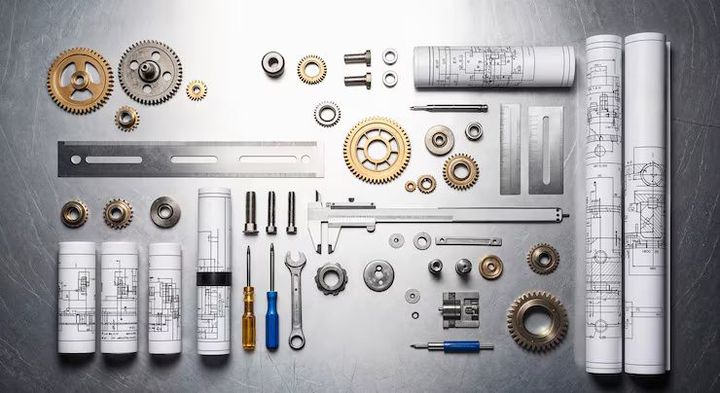
Mechanical Components
-
Bearings
-
Gears
-
Belts
-
Seals
-
Shafts
-
Couplings
Electrical and Electronic Parts
-
Sensors
-
Switches
-
Circuit modules
-
Motors
-
Connectors
-
Printed circuit boards
Fluid and Air System Components
-
Filters
-
Valves
-
Pressure regulators
-
Tubes and hoses
Wear-and-Tear Items
-
Bushings
-
Rubber mounts
-
Blades
-
Fasteners
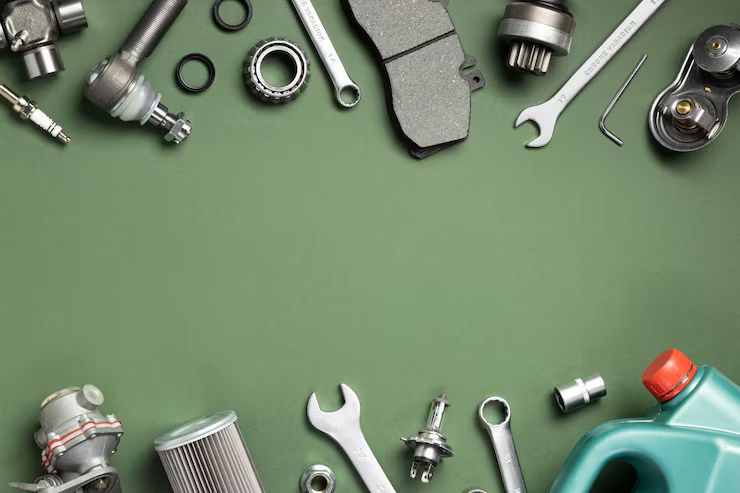
Automotive Spare Parts
-
Brake components
-
Oil and air filters
-
Spark plugs
-
Suspension elements
These categories support maintenance in everything from large industrial systems to household appliances.
FAQs — Common Questions About Spare Parts
1. How often should spare parts be replaced?
Replacement schedules depend on usage, machine type, and wear patterns. Many industries follow preventive maintenance cycles or data-based replacement intervals.
2. Why is spare-parts inventory important?
A structured inventory ensures that essential components are available when needed, helping prevent long periods of downtime.
3. What factors determine part compatibility?
Compatibility depends on machine model, dimensions, material specifications, performance rating, and manufacturer guidelines.
4. Are digital tools used for tracking spare parts?
Yes, many industries use inventory software, QR-scanning systems, and IoT dashboards to monitor stock levels and part conditions.
5. Which parts usually wear out the fastest?
Belts, bearings, seals, filters, and switches typically experience faster wear due to constant movement, pressure, or heat.
Conclusion
Spare parts play a critical role in maintaining the continuity, safety, and efficiency of machines and systems across industries. With modern tools, standardized components, and advanced monitoring technologies, spare-parts management has evolved into a structured and data-driven discipline. As digital adoption increases and industry standards strengthen, effective spare-part handling will remain essential for reliable operations in manufacturing, transportation, construction, and household infrastructure.