Power Transformers: An Overview of Electrical Basics, Working Principles, and Grid Applications
Power transformers are essential electrical devices used to transfer electrical energy between circuits by changing voltage levels through electromagnetic induction. They exist to make large-scale electricity transmission practical, efficient, and safe
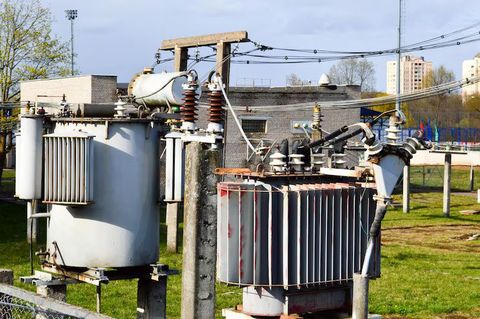
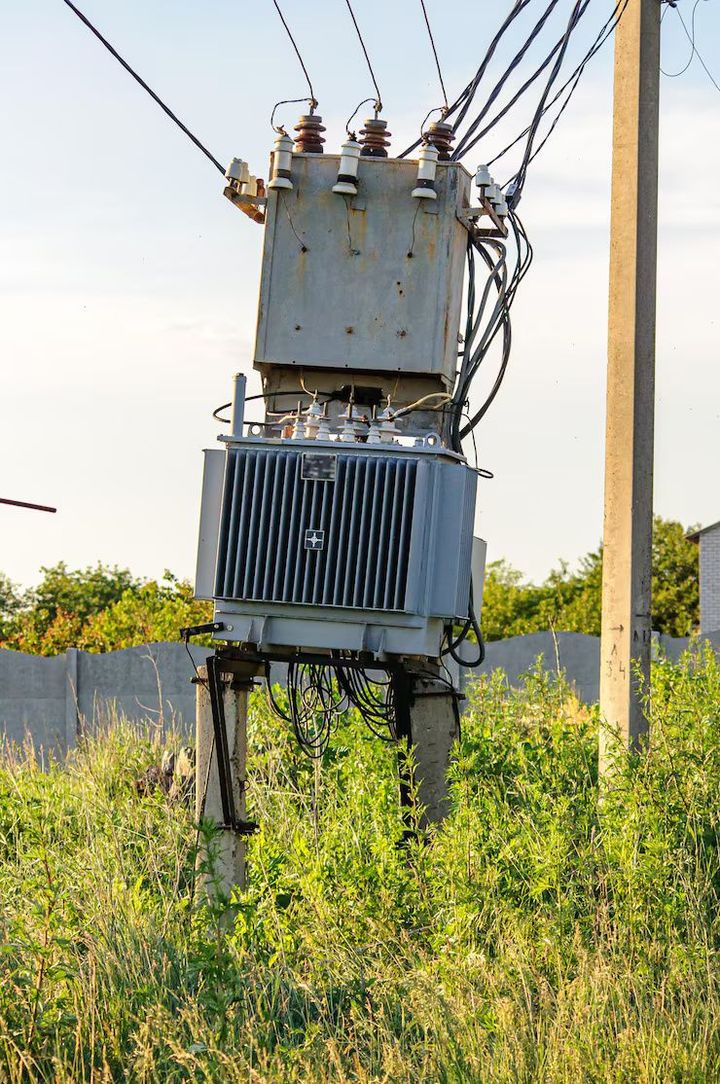
power transformers consist of a magnetic core, primary and secondary windings, insulation systems, and cooling arrangements. These components work together to maintain energy transfer efficiency while minimizing electrical losses. Power transformers are primarily used in transmission networks and large substations, operating continuously under steady load conditions.
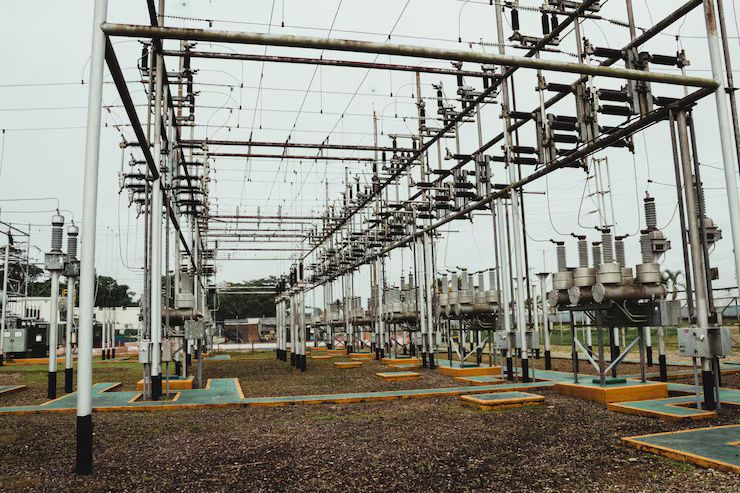
From thermal power stations to renewable energy plants, power transformers form a critical link between generation sources and electrical grids. Without them, modern power systems would struggle to meet demand, maintain stability, or ensure safety.
Importance: Why Power Transformers Matter Today
Power transformers play a major role in today’s energy-dependent world. As electricity demand rises due to urbanization, digital infrastructure, electric mobility, and renewable energy integration, their importance continues to grow.
They matter because they:
-
Enable efficient long-distance power transmission
-
Maintain voltage stability across electrical networks
-
Support grid reliability and power quality
-
Allow renewable energy sources to connect to national grids
Power transformers affect a wide range of stakeholders, including utilities, industries, infrastructure planners, and end users. They help solve problems such as transmission losses, voltage mismatch, and grid congestion.
In developing and developed economies alike, reliable transformer performance directly influences economic activity, public safety, and energy security. Failures at the transformer level can disrupt entire regions, highlighting their critical role in power system reliability.
Recent Updates and Industry Trends
Over the past year, several developments have influenced power transformer technology and deployment.
2024–2025 Grid Expansion and Modernization
Many countries expanded transmission capacity in 2024 to support renewable energy targets and interregional power exchange. This increased the focus on high-voltage and extra-high-voltage power transformers.
Energy Efficiency Improvements (2024)
Updated efficiency benchmarks emphasized reduced core losses and improved magnetic materials, including wider adoption of amorphous metal cores.
Digital Monitoring and Smart Transformers (2025)
Condition monitoring systems using sensors for temperature, load, and dissolved gas analysis became more common. These systems support predictive maintenance and grid reliability.
Renewable Integration Growth
Large-scale solar and wind projects commissioned in 2024 required grid-connected power transformers capable of handling variable loads and bidirectional power flow.
Laws, Standards, and Policy Influence in India
In India, power transformers are governed by technical, safety, and efficiency regulations designed to ensure reliable grid operation.
Key regulatory influences include:
-
Central Electricity Authority (CEA) Regulations
These define technical standards for construction, testing, and operation of transformers connected to transmission and distribution networks. -
Bureau of Energy Efficiency (BEE) Guidelines
BEE sets energy efficiency requirements and performance benchmarks for transformers to reduce technical losses in the grid. -
National Smart Grid Mission
This initiative supports digital monitoring, automation, and advanced transformer technologies for improved grid resilience. -
Environmental and Safety Standards
Policies encourage safer insulating fluids, controlled noise levels, and improved fire safety measures in substations.
These policies shape how transformers are designed, deployed, and maintained across the country.
Tools and Resources for Learning and Analysis
A variety of technical tools and educational resources support understanding of power transformers and grid systems.
Commonly used resources include:
-
Transformer design and efficiency calculators
-
Electrical load flow and power system simulation software
-
Condition monitoring dashboards for thermal and insulation analysis
-
Technical standards libraries from IEEE, IEC, and national authorities
-
Educational platforms offering electrical engineering fundamentals
These tools help students, engineers, and planners analyze transformer performance and system behavior.
Core Design Elements and Operational Overview
Power transformer performance depends on design choices that balance efficiency, durability, and thermal stability.
Key design aspects include:
-
Rated voltage and power capacity
-
Core material and magnetic flux density
-
Cooling method such as oil-immersed or dry-type
-
Insulation class and allowable temperature rise
Common Power Transformer Types
| Transformer Type | Typical Application | Voltage Level |
|---|---|---|
| Step-up transformer | Power generation | High voltage |
| Step-down transformer | Transmission substations | Medium voltage |
| Autotransformer | Grid interconnection | Medium to high |
FAQs About Power Transformers
What is the main purpose of a power transformer?
A power transformer changes voltage levels to enable efficient transmission and safe distribution of electrical energy across the grid.
How are power transformers different from distribution transformers?
Power transformers operate at higher voltages and are used in transmission networks, while distribution transformers supply electricity closer to end users.
Why is cooling important in power transformers?
Cooling removes heat generated by electrical losses, helping maintain insulation life and stable operation.
How long do power transformers typically operate?
With proper operation and monitoring, many power transformers function reliably for several decades.
How do transformers support renewable energy systems?
They adjust voltage levels and manage power flow so electricity from renewable sources can integrate smoothly into the grid.
Conclusion
Power transformers are foundational components of modern electrical infrastructure. They enable efficient energy transmission, stabilize voltage levels, and support reliable grid operation. As electricity demand grows and renewable energy integration accelerates, transformer technology continues to evolve through improved efficiency, digital monitoring, and stronger regulatory frameworks.