Industrial Heat Exchangers: A Complete Guide to Types and Applications
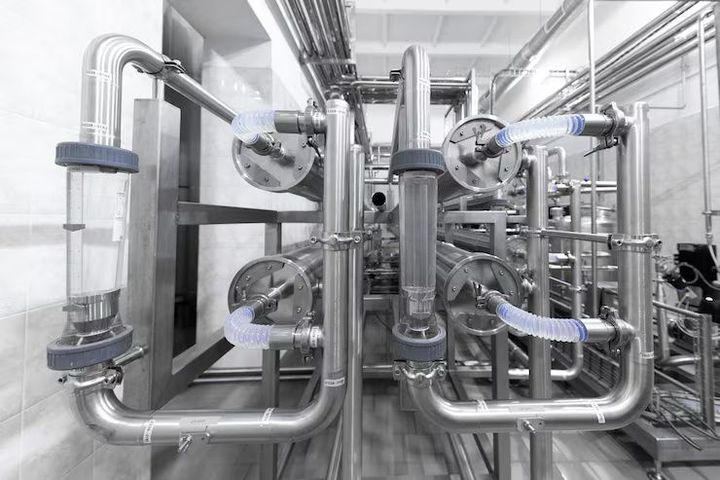
An industrial heat exchanger is a device used to transfer heat between two or more fluids — liquids, gases, or vapors — without mixing them. These systems are essential in industries like power generation, chemical processing, oil refining, food manufacturing, and HVAC systems
The core purpose of a heat exchanger is to improve energy efficiency by reusing heat that would otherwise be wasted. For instance, in a refinery, hot exhaust gases can preheat incoming crude oil; in food processing, pasteurization systems use exchangers to control temperature precisely.
By maintaining thermal balance and optimizing energy use, heat exchangers play a vital role in reducing operational costs and supporting sustainable industrial operations.
Why Heat Exchangers Matter Today
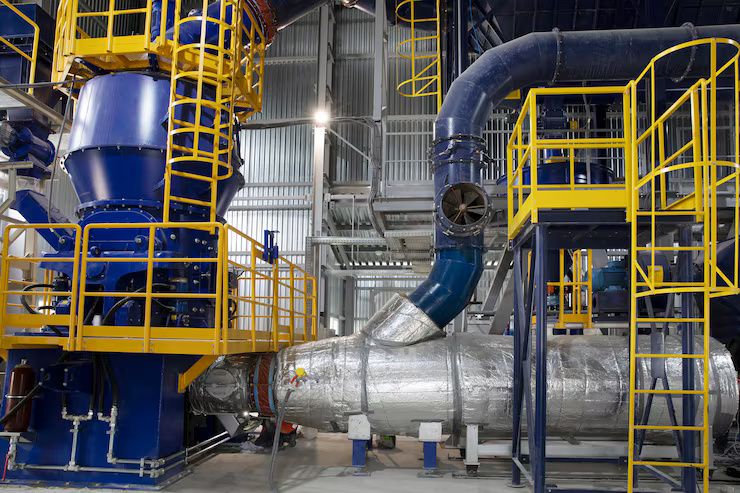
With the global focus on energy conservation and carbon reduction, heat exchangers have become key assets in industrial sustainability. They allow industries to capture and reuse thermal energy, which reduces fuel consumption and greenhouse gas emissions.
Key importance of heat exchangers:
-
Energy Efficiency: Recovering waste heat minimizes energy input and improves plant performance.
-
Process Control: Maintains precise temperature conditions critical for chemical reactions or product quality.
-
Environmental Impact: Reduces carbon footprint by minimizing energy waste.
-
Operational Safety: Prevents overheating and maintains safe process temperatures.
-
Cost Optimization: Lowers utility expenses through efficient heat recovery.
Industries impacted:
-
Power and energy
-
Petrochemical and oil & gas
-
Food and beverage
-
Pulp and paper
-
HVAC and refrigeration
-
Pharmaceuticals
The growing demand for cleaner industrial operations has accelerated the development of advanced heat exchangers that combine performance with sustainability.
Recent Trends and Innovations (2024–2025)
Industrial heat exchangers are evolving rapidly, driven by material science, digital monitoring, and sustainability initiatives.
| Trend / Innovation | Description | Impact |
|---|---|---|
| Compact and Microchannel Designs | Smaller exchangers with high surface area for heat transfer. | Reduce space requirements and enhance efficiency. |
| Additive Manufacturing (3D Printing) | Enables custom geometries and lightweight metal structures. | Improves thermal performance and reduces manufacturing waste. |
| Smart Monitoring with IoT Sensors | Real-time tracking of temperature, pressure, and fouling rates. | Predictive maintenance and reduced downtime. |
| Use of Advanced Materials | Titanium, graphene, and ceramics resist corrosion and high temperatures. | Extends lifespan and reduces maintenance costs. |
| Heat Recovery Integration | Linking exchangers with waste heat recovery systems in industrial plants. | Enhances overall energy efficiency and reduces emissions. |
By 2025, the global industrial heat exchanger market is expected to surpass USD 25 billion, with growing applications in renewable energy and waste heat recovery.
Regulations, Standards, and Government Policies
Industrial heat exchangers are governed by safety, environmental, and quality standards to ensure reliable operation.
India’s Regulatory Landscape:
-
Bureau of Indian Standards (BIS): Regulates mechanical design and materials under IS codes.
-
Energy Conservation Act (2001): Encourages energy-efficient technologies and waste heat recovery in industries.
-
Perform, Achieve, and Trade (PAT) Scheme: Rewards industries for improving energy efficiency through systems like heat exchangers.
-
Central Pollution Control Board (CPCB): Sets emission and discharge norms for thermal plants and chemical industries.
Global Standards and Frameworks:
-
ASME (American Society of Mechanical Engineers): Boiler and Pressure Vessel Code (Section VIII) for design and construction.
-
TEMA (Tubular Exchanger Manufacturers Association): Industry-standard for shell-and-tube exchangers.
-
API 660: Design requirements for shell-and-tube heat exchangers in petroleum industries.
-
ISO 14001: Environmental management systems emphasizing energy-efficient technologies.
Adhering to these standards ensures operational safety, reduces environmental impact, and meets international quality benchmarks.
Types of Industrial Heat Exchangers
| Type | Description | Applications |
|---|---|---|
| Shell and Tube Exchanger | One fluid flows through tubes, the other around them inside a shell. | Oil refineries, power plants, chemical processing. |
| Plate Heat Exchanger | Corrugated metal plates increase heat transfer area. | Food, dairy, pharmaceuticals, HVAC. |
| Air Cooled Heat Exchanger | Uses air instead of water for cooling. | Remote industrial sites, petrochemical plants. |
| Double Pipe Heat Exchanger | Simple design with two concentric pipes for small-scale operations. | Laboratories, pilot plants. |
| Spiral Heat Exchanger | Coiled channels allow compact design and efficient heat recovery. | Pulp, wastewater treatment, sludge heating. |
| Condensers and Evaporators | Used for phase change heat transfer. | Refrigeration, power generation, distillation. |
Each design is chosen based on fluid type, pressure, temperature, and space availability.
Core Design Principles and Working Mechanism
The efficiency of a heat exchanger depends on its ability to maximize heat transfer while minimizing energy loss and pressure drop.
Fundamental Concepts:
-
Heat Transfer Modes: Conduction, convection, and sometimes radiation.
-
Flow Arrangements:
-
Parallel Flow: Fluids move in the same direction.
-
Counterflow: Fluids move in opposite directions (most efficient).
-
Crossflow: Fluids intersect at right angles.
-
-
Thermal Effectiveness: Ratio of actual heat transfer to the maximum possible heat transfer.
Key Performance Factors:
-
Surface area available for heat exchange.
-
Flow velocity and turbulence level.
-
Material conductivity (copper, aluminum, stainless steel).
-
Fouling resistance and maintenance intervals.
Understanding these principles ensures that systems operate at optimal performance while minimizing energy consumption.
Tools, Software, and Resources for Heat Exchanger Design
Designing and maintaining heat exchangers requires specialized tools and data analysis platforms.
Engineering Design Tools
-
Aspen HYSYS / Aspen Exchanger Design & Rating (EDR): For process simulation and thermal design.
-
HTRI (Heat Transfer Research, Inc.): Provides accurate thermal performance analysis.
-
COMSOL Multiphysics: Models heat transfer and fluid dynamics.
-
ANSYS Fluent: Simulates heat flow and pressure distribution.
-
CHEMCAD: Useful for process engineers designing integrated systems.
Monitoring and Maintenance Tools
-
Thermal Imaging Cameras: Detect hot spots and blockages.
-
IoT Monitoring Platforms: Track efficiency and predict fouling.
-
Ultrasonic Testing Devices: Inspect for corrosion or tube leaks.
Useful Resources
-
TEMA Standards Manual for design guidelines.
-
Energy Efficiency Bureau (India) publications for industrial best practices.
-
ASHRAE Handbooks for HVAC and process cooling systems.
Using these resources helps engineers optimize heat exchanger performance and maintain compliance with energy standards.
Common Problems and Maintenance Practices
Despite robust design, heat exchangers require regular maintenance to prevent performance loss.
Common Issues:
-
Fouling: Accumulation of scale, oil, or biological material reduces efficiency.
-
Corrosion: Caused by incompatible materials or chemical exposure.
-
Leakage: Results from gasket failure or tube rupture.
-
Pressure Drop: Due to blockages or flow restrictions.
Maintenance Strategies:
-
Scheduled chemical cleaning or hydro jetting for fouled surfaces.
-
Material upgrades (e.g., stainless steel or titanium) in corrosive environments.
-
Performance audits using thermal sensors and flow meters.
-
Predictive analytics with AI and IoT tools to forecast failures.
Preventive maintenance ensures consistent efficiency and extends operational lifespan.
Industrial Applications of Heat Exchangers
| Industry | Use Case | Outcome |
|---|---|---|
| Oil & Gas | Crude preheating, gas cooling, reboilers | Energy recovery and emission control |
| Power Generation | Steam condensers, feedwater heaters | Improves turbine efficiency |
| Food & Beverage | Pasteurization, sterilization, cooling | Ensures product safety and quality |
| Chemical Processing | Reaction temperature control | Optimized yield and process safety |
| HVAC | Air conditioning and ventilation systems | Maintains comfortable indoor temperatures |
| Pharmaceuticals | Purified water heating, process cooling | Maintains purity and compliance |
These systems are vital for operational stability, energy optimization, and product consistency across industrial environments.
Frequently Asked Questions (FAQs)
1. What determines the efficiency of a heat exchanger?
Efficiency depends on design type, heat transfer surface area, flow pattern, and the temperature difference between fluids.
2. How often should industrial heat exchangers be cleaned?
Cleaning frequency varies by application but typically ranges from every 6 months to once a year, depending on fouling conditions.
3. What materials are best for heat exchangers?
Common materials include stainless steel, copper alloys, titanium, and aluminum — selected based on corrosion resistance and thermal conductivity.
4. Can heat exchangers be used for renewable energy applications?
Yes, they are integral in solar thermal systems, geothermal plants, and waste heat recovery projects.
5. What safety precautions are needed in heat exchanger operation?
Regular pressure testing, leak inspections, and adherence to ASME or BIS design codes are essential for operational safety.
Conclusion
Industrial heat exchangers are the backbone of thermal energy management, enabling industries to operate efficiently, sustainably, and safely. As technology advances, innovations like IoT-enabled monitoring, advanced materials, and additive manufacturing are transforming these systems into intelligent, self-optimizing assets.