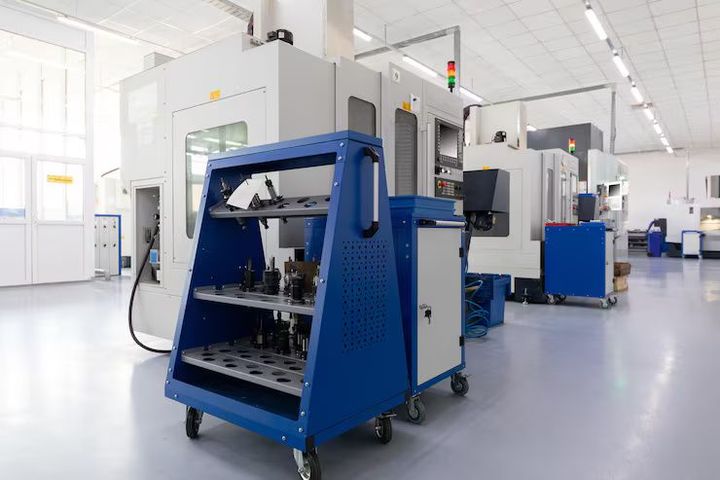
Extruder Machines: Working Principles, Material Flow, and Process Optimization
Extruder machines are industrial systems used to process materials by forcing them through a shaped die to produce uniform, continuous products. This method has become widely used in sectors such as plastics, food processing, pharmaceuticals, chemicals, rubber, and biomass manufacturing
Modern extruders evolved from early mechanical presses used for shaping clay and metals. Today, advanced versions integrate automation, temperature control, screw designs, and sensors, making them key systems in manufacturing, food processing, chemical engineering, and material innovation.
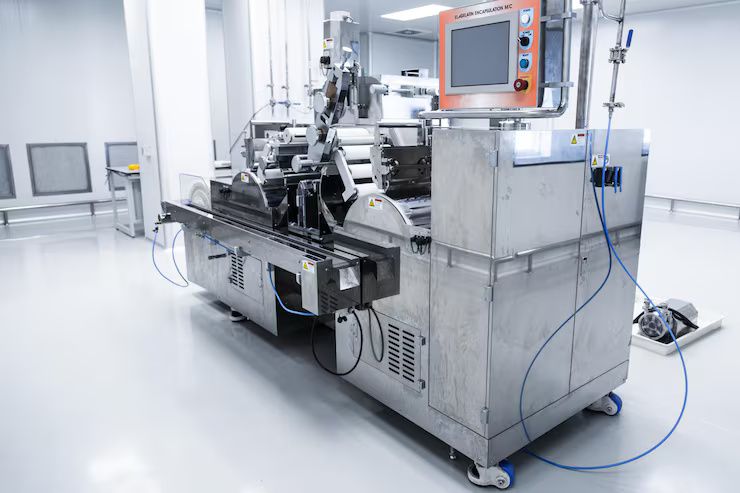
Importance
Extruder machines matter because they support essential industries that rely on precision-shaped materials. Their impact extends across manufacturing, infrastructure, packaging, food processing, and healthcare.
They help solve several challenges:
-
Ensuring consistent product quality during large-scale production
-
Managing complex material formulations
-
Improving efficiency by combining mixing, heating, and shaping in one process
-
Reducing industrial waste through controlled material flow
-
Enabling the development of advanced materials such as bioplastics and composite polymers
Industries affected by extruder technology include:
-
Plastics and polymers: film, pipe, sheet, wire coating
-
Food processing: snacks, cereals, pet food, fortified products
-
Pharmaceuticals: granulation and pellet formation
-
Construction: insulation, profiles, and structural elements
-
Rubber and automotive: seals, belts, and gaskets
As sustainability becomes a priority, extruder machines also support recycling initiatives by reprocessing polymers and turning waste materials into usable products.
Recent Updates
Extruder technology has seen significant developments over the past year as industries move toward automation, sustainability, and smarter manufacturing.
Key trends and updates (2024–2025):
-
Energy-efficient extruders (2024): Manufacturers introduced advanced screw designs and variable-speed drives to lower energy usage, especially in plastics and food extrusion systems.
-
Smart monitoring systems (2024): Integration of IIoT sensors and predictive maintenance tools improved real-time monitoring for temperature, torque, and material flow.
-
Recycling-focused extruders (late 2024): Growing regulations around plastic waste encouraged the development of extruders capable of processing mixed and post-consumer materials.
-
Biopolymer compatibility (2025): New extruders were optimized to handle biodegradable and compostable polymers without thermal degradation.
-
High-precision pharmaceutical extrusion (2025): Updated GMP-compliant extruders enhanced drug uniformity and controlled-release formulations.
These updates highlight the shift toward efficiency, environmental responsibility, and material innovation.
Laws or Policies
Regulations surrounding extruder machines vary depending on the sector and country. They generally focus on safety, environmental compliance, and material standards.
Common regulatory aspects include:
Environmental and material regulations
-
Rules governing emissions, waste handling, and material recycling.
-
Standards related to biodegradable and food-grade materials.
-
Guidelines for processing plastics under environmental sustainability requirements.
Safety and compliance frameworks
-
Machine operation must follow workplace safety standards, emergency stop mechanisms, and noise-level guidelines.
-
Food and pharmaceutical extrusion require compliance with hygiene, contamination control, and quality assurance regulations.
-
Electrical and mechanical safety norms apply to all industrial extruders.
Manufacturing and quality guidelines
-
Requirements for quality management systems in sectors such as medical, automotive, and packaging.
-
Traceability norms for materials processed through extrusion lines.
These policies help ensure safe operation, environmental responsibility, and consistent product quality across industries.
Tools and Resources
A variety of tools and digital resources support learning, process optimization, and planning for extrusion systems.
Design and simulation tools:
-
Polymer extrusion simulators – used to predict material flow and optimize screw geometry
-
Finite element analysis software – helps study heat transfer and die design
-
Material selection platforms – assist in understanding polymer behavior, melting points, and compatibility
Knowledge and reference tools:
-
Technical handbooks on extrusion processes
-
Material data repositories for polymers and composites
-
Industrial machinery standards and compliance guides
Productivity and monitoring resources:
-
Real-time monitoring dashboards for extrusion temperature and torque
-
Predictive maintenance applications for mechanical systems
-
Sensors for pressure, melt flow, and thermal control
These tools help operators, engineers, and researchers achieve better consistency, safety, and efficiency in extrusion operations.
Table: Common Types of Extruder Machines
| Type of Extruder | Key Characteristics | Common Applications |
|---|---|---|
| Single-screw extruder | Simple design, general-purpose processing | Pipes, films, basic profiles |
| Twin-screw extruder | Higher mixing efficiency, material blending | Compounding, food extrusion, pharmaceuticals |
| Hot-melt extruder | Precise temperature control | Drug delivery, polymer coatings |
| Co-rotating extruder | Efficient mixing and dispersing | Advanced polymers, composites |
| Counter-rotating extruder | High output pressure | PVC profiles, window frames |
Table: Typical Process Parameters in Extrusion
| Parameter | Description | Importance |
|---|---|---|
| Temperature | Controls melting and flow | Ensures material stability |
| Screw speed | Rotational speed of the screw | Affects mixing and output rate |
| Pressure | Force applied to push material through the die | Influences shape accuracy |
| Cooling rate | Speed of product solidification | Maintains dimensional consistency |
FAQs
1. What materials can be processed using extruder machines?
Extruder machines can process a wide range of materials, including plastics, metals, rubber, food ingredients, biopolymers, and pharmaceutical formulations. The type of extruder used depends on the thermal and mechanical behavior of each material.
2. How does the screw design affect extrusion performance?
The screw geometry controls mixing, melting, and conveying of material. Variations in length-to-diameter ratio, pitch, and flight depth influence throughput, pressure generation, and product uniformity.
3. What industries rely most on extrusion technology?
Key industries include plastics manufacturing, food processing, pharmaceuticals, automotive, packaging, and construction. Each sector uses extrusion for different product shapes and performance requirements.
4. What are common quality issues in extrusion?
Typical issues include inconsistent thickness, surface defects, color variation, and dimensional inaccuracies. These often arise from improper temperature settings, unstable pressure, or incorrect screw configuration.
5. How is sustainability influencing extrusion trends?
Sustainability is driving the development of extruders capable of processing recycled polymers, biodegradable materials, and energy-efficient operations. Modern systems focus on waste reduction and improved material compatibility.
Conclusion
Extruder machines play a central role in shaping materials across multiple industries by offering consistent, efficient, and scalable production capabilities. Their importance continues to grow as sectors demand advanced materials, precise manufacturing, and environmentally responsible processes. Recent innovations—ranging from energy-efficient systems to materials-focused extruders—highlight the ongoing evolution of this technology. With clear regulations, improved monitoring tools, and access to technical knowledge, extrusion remains a foundational process supporting modern manufacturing, food systems, healthcare, and sustainable engineering.