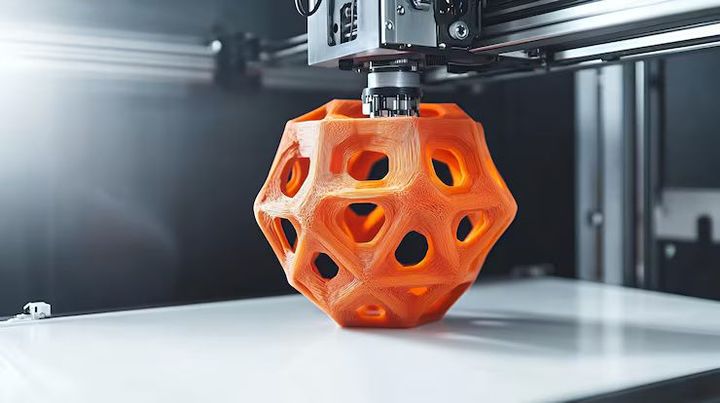
Explore Modern 3D Printing: A Complete Guide to Technology and Applications
This technology arose because of limitations in traditional manufacturing: difficulties in fabricating complex geometries, high waste from subtractive processes, long lead times for prototypes or custom parts, and high costs for small-batch production
The technology emerged because traditional manufacturing faced challenges such as difficulty in producing complex geometries, high waste from subtractive processes, long lead times for prototypes, and high costs for small production runs. 3D printing addresses these limitations by providing flexibility, efficiency, and the ability to create custom or complex items with precision.
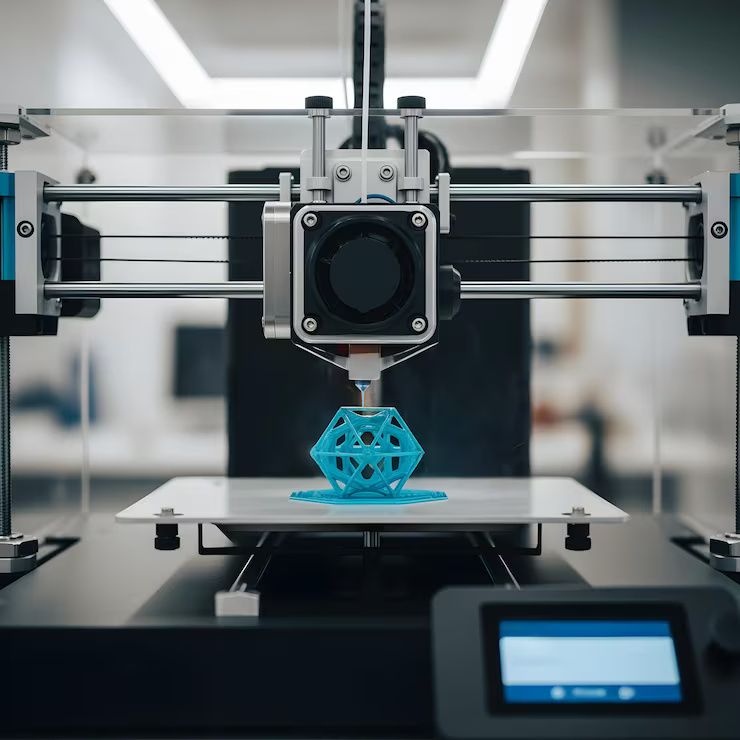
Why Modern 3D Printing Matters
Modern 3D printing has wide-ranging impacts across industries:
-
Customization and personalization: Tailored products such as medical implants, ergonomic tools, or bespoke consumer goods can be produced efficiently.
-
Rapid prototyping and product development: Designers can quickly iterate prototypes, test functions, and refine designs before full production.
-
Complex geometry and lightweight structures: Components with internal lattices or optimized shapes reduce material use while maintaining strength, particularly in aerospace, automotive, and healthcare.
-
Sustainability and material efficiency: Material is added only where necessary, reducing waste. Using recycled or bio-based materials further enhances environmental benefits.
-
Decentralized production: Localized manufacturing reduces reliance on distant factories, shortening supply chains and delivery times.
-
Economic and industrial growth: The technology provides opportunities for innovation, efficiency improvements, and adoption across multiple sectors.
Recent Trends in 3D Printing
Recent developments show that 3D printing is moving beyond prototyping to industrial-scale applications:
-
Industrial-scale adoption: Many manufacturers now use 3D printing for production-grade parts in aerospace, automotive, medical, and defense industries.
-
Advanced materials: Use of metals, composites, fiber-reinforced plastics, and high-performance polymers enables stronger, lighter, and more durable products.
-
Sustainability focus: Increased use of recyclable and bio-based filaments and resins reduces environmental impact.
-
Digital integration: AI-driven design optimization, IoT monitoring, and smart factory connectivity are becoming standard, improving efficiency and quality control.
-
Decentralized manufacturing: On-demand production and flexible supply chains are enabling faster responses to changing market needs.
These trends illustrate that 3D printing is no longer limited to hobbyists and prototypes but is central to modern industrial and manufacturing strategies.
Regulations and Policies
As 3D printing becomes more prevalent, legal and regulatory frameworks are evolving:
-
Intellectual property (IP): Designs can be protected through patents or registered industrial designs. Reproducing protected designs without permission is illegal.
-
Digital design files: Enforcement of IP is challenging because digital files can be shared easily. Awareness of copyright and licensing is crucial.
-
Government initiatives: Some countries promote additive manufacturing through funding, skill development programs, and technology centers to encourage innovation.
-
Compliance and safety: Industrial 3D printing must follow local safety and quality standards, particularly for medical, aerospace, and food applications.
Understanding these regulations ensures responsible and legally compliant use of 3D printing technology.
Tools and Resources for 3D Printing
Several tools and resources support learning and working with 3D printing:
| Resource | Purpose |
|---|---|
| CAD Software (e.g., Blender, FreeCAD, Fusion 360) | Design 3D models for printing |
| Slicing Software (e.g., Cura, PrusaSlicer) | Convert 3D models into printer instructions and adjust print settings |
| Material Databases | Compare plastics, metals, resins, and composites for strength, flexibility, and durability |
| Community Forums & Tutorials | Learn best practices, share knowledge, and get troubleshooting tips |
| Educational Programs | Online courses, workshops, and college programs covering design, materials, and quality control |
| Design Registration Portals | Protect intellectual property and ensure legal compliance before printing designs |
These tools help beginners and professionals create accurate, safe, and optimized prints.
Frequently Asked Questions
Q: Can 3D printing produce final-use parts?
A: Yes. Modern 3D printing produces durable, industrial-grade parts for aerospace, medical implants, automotive, and tooling applications.
Q: Are 3D-printed parts weaker than traditional manufacturing?
A: Not necessarily. Correct material selection, design, layer orientation, and post-processing can produce parts as strong or stronger than conventional methods.
Q: Does 3D printing reduce material waste?
A: Yes. Additive processes use material only where needed, significantly reducing waste compared to subtractive manufacturing.
Q: Is 3D printing legal for copyrighted or patented designs?
A: No. Reproducing protected designs without permission violates intellectual property laws, even if done via 3D printing.
Q: Do I need advanced skills to start 3D printing?
A: Basic desktop 3D printing is accessible for beginners. Advanced printing with metals or composites requires specialized knowledge in materials, design, and post-processing.
Conclusion
Modern 3D printing has transformed manufacturing, design, and prototyping. Its ability to create complex, custom, and lightweight parts efficiently makes it a key technology for innovation.
With the ongoing evolution of materials, software, and industrial integration, 3D printing is becoming a core tool for smart manufacturing, sustainable production, and creative problem-solving. Proper knowledge of regulations, materials, and tools ensures safe, legal, and effective use.