Enterprise Resource Planning (ERP): Overview, Importance, Updates & Key Insights
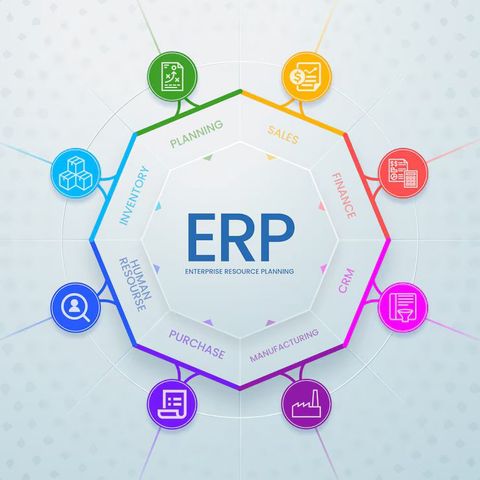
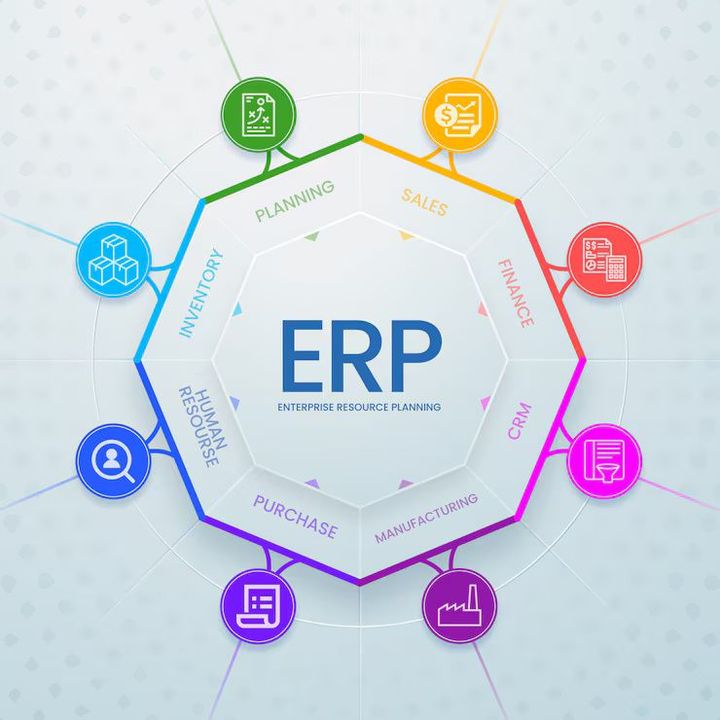
Enterprise Resource Planning (ERP) refers to a unified system that connects and manages key business activities such as finance, operations, inventory, planning, compliance tracking, and enterprise data management
ERP is not limited to large companies. Small and medium organizations also adopt it for workflow alignment, enterprise analytics, and compliance management. Its purpose remains consistent: to provide an organized method of managing multi-department activities and improving operational clarity across the organization.
Importance of ERP and the Problems It Solves
ERP matters because it plays a crucial role in ensuring that business operations stay aligned with goals, regulations, and day-to-day requirements. It enables teams to work with the same updated information, reducing errors that can occur from disconnected systems.
Key reasons why ERP is important:
-
Centralized enterprise data management
Information from various departments is stored in one location, improving reliability and consistency. -
Streamlined workflows
ERP automates repetitive tasks and supports workflow optimization for activities like planning, reporting, procurement tracking, compliance documentation, and performance monitoring. -
Improved visibility
Decision-makers gain better insight into operations through dashboards and analytics, supporting accurate forecasting and resource planning. -
Regulatory alignment
ERP helps organizations stay compliant with accounting standards, documentation rules, and industry-specific guidelines. Built-in tracking functions support transparency and audit readiness. -
Scalability and long-term stability
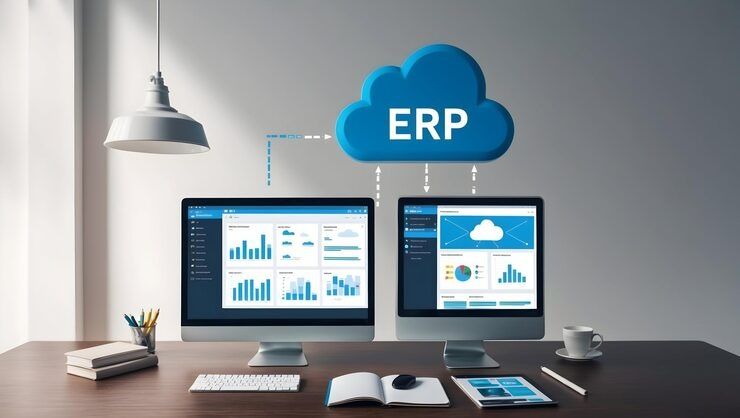
Cloud ERP systems support growth by allowing organizations to add new modules, features, or integrations as needs evolve.
ERP is relevant across industries, including manufacturing, education, retail, healthcare, logistics, construction, and more. It assists in addressing challenges related to data duplication, disconnected systems, manual reporting, and limited operational oversight.
Recent Updates and Trends in ERP Systems
Over the past year, ERP technologies have continued to evolve to match new expectations around automation, digital transformation, and data-driven decision-making. The following are key developments noted throughout 2024–2025:
-
AI-supported analytics
Many systems now integrate intelligent forecasting, anomaly detection, and automated insights, making data interpretation more effective. -
Integration-first design
Modern ERP platforms emphasize API connectivity, allowing organizations to link ERP with CRM, HR systems, procurement tools, digital ledgers, and workflow platforms. -
Industry-specific configurations
Sectors such as logistics, manufacturing, and retail receive tailored modules that reduce the need for additional customization. -
Low-code and no-code enhancements
Users without technical expertise can modify reports, automations, and forms, reducing reliance on technical teams. -
Cybersecurity improvements
With increasing digital threats, ERP systems now include stronger encryption, access control, event monitoring, and multi-factor authentication. -
Cloud adoption growth
Many organizations have transitioned from on-premise systems to cloud ERP, enabling easier updates and improved accessibility from multiple locations.
These updates reflect the shift toward flexible platforms that support modern digital operations, user-friendly customization, and smarter data analysis.
Laws, Policies, and Regulatory Influence on ERP Systems
ERP systems interact closely with different rules that govern data, documentation, and reporting practices. The impact varies by country but generally revolves around compliance, data protection, and operational transparency.
Key regulatory areas affecting ERP:
-
Financial reporting standards
Most businesses work under standards such as IFRS or GAAP. ERP platforms include configuration options to align with these reporting formats. -
Data protection regulations
Countries enforce laws such as GDPR (Europe), CCPA (California), and India’s DPDP Act. ERP systems now include tools for data access control, secure storage, and consent management. -
Audit requirements
ERP platforms maintain logs, activity trails, and version tracking to support documentation processes. -
Tax and compliance frameworks
ERP modules often include taxation rules depending on the region, along with provisions for digital compliance documentation. -
Industry-specific guidelines
Sectors like healthcare, education, manufacturing, and logistics follow different operational standards that ERP systems help streamline.
The alignment between ERP and policy compliance reduces the risk of administrative errors and improves accountability throughout the organization.
Tools and Resources Related to ERP
Several tools, platforms, and digital resources are available to learn about ERP, plan implementation steps, or explore optimization methods.
Useful resources include:
-
ERP planning templates
Roadmaps, requirement checklists, workflow diagrams, and migration worksheets help structure large transitions. -
Cloud ERP dashboards
Tools that support enterprise analytics, KPI visualization, planning documentation, and workflow tracking. -
Business process mapping tools
Platforms that allow users to create flowcharts and process diagrams to understand current challenges. -
Compliance automation tools
Systems used for audit trails, document tracking, regulatory monitoring, and internal policy alignment. -
Training resources
Educational platforms offering ERP fundamentals, workflow optimization insights, and data management learning pathways.
These tools improve understanding of ERP functions and help organizations adopt best practices in their operations.
FAQs About ERP
1. What is the main purpose of an ERP system?
The purpose of ERP is to centralize organizational data and streamline processes. It helps teams access consistent information and reduce manual effort through integrated workflows.
2. Who uses ERP systems?
ERP is used by organizations of all sizes, including manufacturing firms, logistics providers, educational institutions, healthcare organizations, and retail companies.
3. Are ERP systems only for large businesses?
No. Modern cloud ERP platforms are available for medium and smaller organizations, offering flexible modules that support growth without requiring extensive hardware setup.
4. What challenges does ERP help solve?
ERP addresses issues such as data duplication, inconsistent reports, manual record-keeping, disconnected tools, and limited operational visibility.
5. How does ERP support compliance?
ERP includes built-in functions like activity logs, automated documentation, data protection settings, and audit support, all of which help organizations follow required standards.
Conclusion
ERP plays an important role in today’s connected business world by bringing together information, processes, and compliance requirements into one well-structured system. Its relevance continues to grow as organizations adopt digital transformation strategies and aim for better efficiency, accuracy, and visibility.