Edge Computing in Manufacturing: A Complete Guide to Smart Factory Solutions
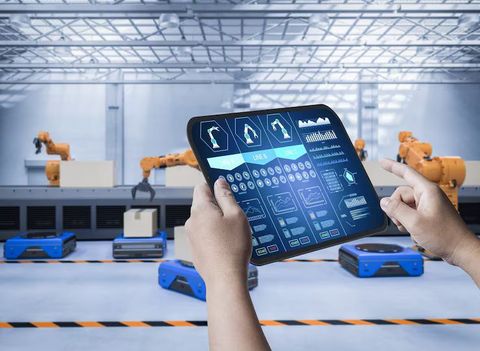
Edge computing refers to processing data closer to its source—on the “edge” of the network—rather than sending it to a distant cloud or centralized data center. In manufacturing, this means using localized computing systems on the production floor to analyze data from machines, sensors, and equipment in real time
This approach supports Smart Factory operations, where automation, robotics, and the Industrial Internet of Things (IIoT) combine to improve efficiency, safety, and decision-making. Instead of waiting for data to travel to the cloud, manufacturers can process it instantly, allowing machines to react immediately to changes in production conditions.
In essence, edge computing is the digital nervous system of modern factories—linking physical equipment with intelligent analytics at incredible speed.
Why Edge Computing Matters in Manufacturing
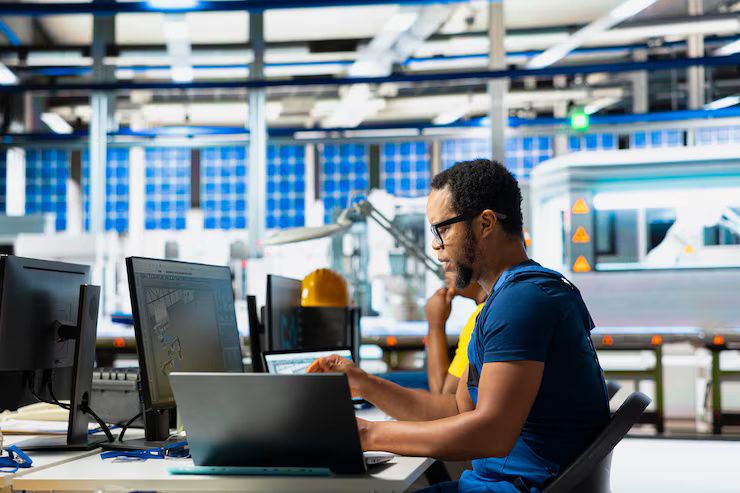
Manufacturing environments rely on precision, timing, and efficiency. Edge computing plays a critical role in achieving these goals through localized data processing.
Key benefits include:
-
Reduced Latency: Processes data within milliseconds, allowing real-time decision-making.
-
Enhanced Reliability: Systems can operate even if the cloud connection is interrupted.
-
Data Security: Sensitive information stays within the factory, reducing exposure risks.
-
Operational Efficiency: Detects issues early to prevent downtime and quality failures.
-
Predictive Maintenance: Monitors equipment health continuously to forecast failures.
Who benefits:
-
Automotive and aerospace manufacturers
-
Pharmaceutical and food processing plants
-
Energy and chemical industries
-
Electronics and semiconductor production facilities
With edge computing, these sectors gain faster insights, safer operations, and smarter automation—all essential elements of Industry 4.0.
Recent Developments and Trends (2024–2025)
Edge computing is advancing rapidly with support from AI, 5G networks, and industrial automation systems.
| Trend | Description | Impact on Manufacturing |
|---|---|---|
| AI at the Edge | Integration of machine learning for predictive analytics and quality control. | Improves accuracy in defect detection and production forecasting. |
| 5G Connectivity | Enables high-speed, low-latency communication across factory floors. | Facilitates machine-to-machine communication and remote control. |
| Edge-Orchestrated Robotics | Robots equipped with localized computing capabilities. | Enhances precision and reduces response time in automated assembly lines. |
| Digital Twin Integration | Real-time simulations of equipment using edge data. | Allows continuous optimization and process testing without production downtime. |
| Sustainable Operations | Energy-efficient data processing close to equipment. | Reduces power use and environmental footprint. |
In 2025, edge computing has become a core enabler of smart factories, helping industries transition from reactive to predictive manufacturing models.
Regulations, Standards, and Government Initiatives
The implementation of edge computing in manufacturing is guided by several international and national frameworks promoting digital transformation and cybersecurity.
Global Standards:
-
IEC 62443: Cybersecurity standard for industrial control systems.
-
ISO/IEC 30141: Framework for the Internet of Things (IoT) reference architecture.
-
NIST Edge Computing Standards: Define interoperability and performance benchmarks.
-
5G Alliance for Connected Industries and Automation (5G-ACIA): Promotes secure and efficient industrial networking.
India’s National Initiatives:
-
Digital India Program: Encourages smart manufacturing and data-driven industries.
-
National Manufacturing Policy (NMP): Focuses on technology integration to enhance productivity.
-
Make in India 2.0: Supports innovation in AI, IoT, and robotics for domestic manufacturing.
-
Data Protection Bill (2023): Establishes data privacy and handling norms for industrial systems.
These frameworks ensure that edge-enabled manufacturing operates securely, efficiently, and in alignment with international digital standards.
How Edge Computing Works in a Smart Factory
Edge computing functions as a bridge between connected machinery and cloud systems.
Here’s a simplified process:
-
Data Collection: Sensors and IoT devices collect real-time data (e.g., temperature, pressure, vibration).
-
Local Processing: Edge devices analyze this data immediately without cloud dependence.
-
Action Execution: Based on algorithms, systems can trigger automatic adjustments—such as altering machine speed or shutting down faulty equipment.
-
Cloud Coordination: Processed summaries are sent to the cloud for long-term analysis and reporting.
Example:
In a car manufacturing plant, edge systems detect fluctuations in robotic arm movements. They instantly adjust alignment before defects occur—saving time, materials, and costs.
Key Technologies Supporting Edge Computing
| Technology | Role in Manufacturing |
|---|---|
| Industrial IoT (IIoT) | Connects sensors, machines, and analytics platforms. |
| Artificial Intelligence (AI) | Enables real-time pattern recognition and predictive maintenance. |
| 5G Networks | Provides ultra-fast, low-latency connectivity for industrial devices. |
| Cloud Integration Platforms | Synchronize edge and cloud data for hybrid environments. |
| Edge Gateways | Manage communication between local devices and external networks. |
| Cybersecurity Frameworks | Protect data integrity across decentralized systems. |
Together, these technologies make factories more autonomous, resilient, and data-driven.
Tools and Resources for Edge Computing Implementation
Manufacturers can access a range of software tools, platforms, and frameworks to design and manage edge computing systems.
Edge Management Platforms
-
Microsoft Azure IoT Edge: Deploys AI and analytics workloads to factory devices.
-
AWS IoT Greengrass: Connects edge systems with Amazon Web Services for hybrid processing.
-
Siemens Industrial Edge: Specifically designed for manufacturing environments.
-
Cisco Edge Intelligence: Manages data flows from sensors to analytics dashboards.
Simulation and Design Tools
-
MATLAB & Simulink: Models data flow and real-time decision systems.
-
PTC ThingWorx: Provides IIoT development for predictive maintenance and visualization.
-
EdgeX Foundry: Open-source platform for interoperability between industrial devices.
Monitoring and Optimization
-
Grafana / Prometheus: Visualizes machine data and performance metrics.
-
Kubernetes for Edge: Manages distributed containerized applications.
Resource Tip:
The Industrial Internet Consortium (IIC) publishes free technical frameworks for adopting edge computing safely and effectively.
Advantages and Use Cases in Manufacturing
| Use Case | Description | Result |
|---|---|---|
| Predictive Maintenance | Analyzes equipment vibration and temperature in real time. | Prevents costly breakdowns and unplanned downtime. |
| Quality Control | Cameras and sensors detect anomalies instantly. | Ensures consistent product quality. |
| Energy Optimization | Edge systems monitor energy consumption patterns. | Reduces waste and enhances sustainability. |
| Supply Chain Coordination | Localized tracking of materials and inventory. | Improves logistics and delivery accuracy. |
| Worker Safety Systems | Monitors air quality, noise, and equipment safety zones. | Enhances on-site protection and compliance. |
Manufacturers adopting edge solutions report up to 25% reduction in downtime and 15–20% improvement in operational efficiency according to 2024 industry reports.
Challenges and Considerations
While edge computing offers major advantages, successful deployment requires addressing certain challenges:
-
Integration Complexity: Compatibility across legacy systems and new IoT devices.
-
Cybersecurity Risks: Increased endpoints demand robust security layers.
-
Data Management: Handling vast amounts of decentralized information.
-
Maintenance Expertise: Requires skilled professionals for ongoing support.
-
Initial Investment: Hardware and network upgrades may be necessary.
Careful planning, workforce training, and compliance with digital standards can help overcome these obstacles.
Frequently Asked Questions (FAQs)
1. How is edge computing different from cloud computing?
Edge computing processes data locally, near its source, while cloud computing processes data in centralized servers. This reduces latency and dependency on internet connections.
2. Can small and medium manufacturers adopt edge computing?
Yes, many scalable solutions—like modular edge gateways and open-source software—are designed for SMEs to implement affordably.
3. What industries benefit the most from edge computing?
Automotive, food processing, electronics, and pharmaceuticals are top sectors leveraging edge technologies for efficiency and precision.
4. Is edge computing secure?
When paired with encryption, network segmentation, and compliance with IEC 62443 standards, edge systems can be highly secure.
5. What skills are needed for managing edge environments?
Professionals typically need knowledge of IoT networks, AI analytics, cybersecurity, and industrial automation systems.
Conclusion
Edge computing is redefining the future of smart manufacturing. By moving data processing closer to the source, factories can react faster, operate more efficiently, and maintain higher standards of quality and safety.
As the world moves toward Industry 4.0 and digital transformation, edge computing will play an even greater role—enabling intelligent machines, sustainable production, and global competitiveness.