DTG Printing Overview: Insights, Basics, and Key Information Explained
Direct-to-Garment (DTG) printing is a textile printing technology designed to digitally apply high-resolution images directly onto fabric. It emerged as an alternative to conventional textile methods such as screen printing, heat transfers, and sublimation
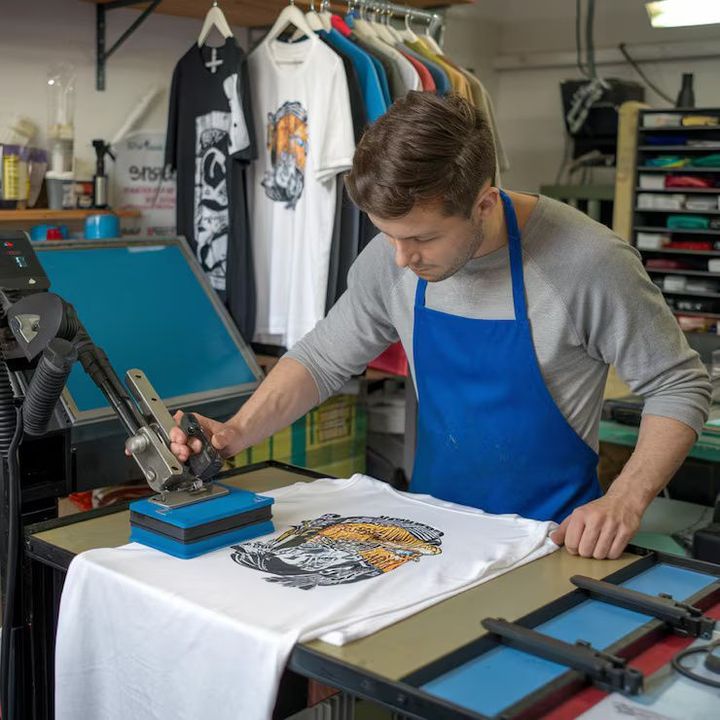
DTG printing uses specialized inkjet technology that operates similarly to desktop printers but is engineered for textiles. The process typically involves pretreating the fabric, placing it on a platen, and printing the design using water-based pigment inks. The printed garment is then cured using heat to ensure durability and color stability.
This technology exists to simplify garment decoration, support small-scale production, and enable high-resolution image printing on cotton and cotton-blend fabrics. It caters to a wide range of applications in apparel decoration, custom designs, prototypes, educational training, and print-on-demand workflows.
Importance: Why DTG Printing Matters Today and Who It Affects
DTG printing holds significance across multiple sectors due to its versatility, reduced preparation time, and ability to reproduce detailed graphics. Its importance can be viewed from several perspectives:
Relevance in Modern Textile Production
-
Supports rapid prototyping and small-run garment decoration.
-
Allows printing natural-fiber materials with fine details and vibrant color reproduction.
-
Helps streamline production through digital workflows that integrate imaging, color profiles, and fabric stabilization.
Beneficiaries and Stakeholders
-
Designers who need high-resolution test prints for textile visualization.
-
Educational institutions that teach textile technology and printing techniques.
-
Textile researchers studying digital printing innovations and eco-friendly ink technologies.
-
Small-batch creators working with cotton garments for personal or community projects.
Problems DTG Printing Helps Address
-
Reduces the dependency on multi-step processes required in screen printing.
-
Minimizes material wastage because no screens or color separations are required.
-
Supports on-demand production cycles, reducing unnecessary inventory.
-
Enhances image accuracy for photorealistic printing applications.
Because of these capabilities, DTG printing has become a significant part of evolving textile production ecosystems, especially where flexibility, detailed artwork, and lower setup times are priorities.
Recent Updates: Key Trends, Advancements, and Developments
The last year has seen multiple improvements in DTG technology, materials, software, and hardware integration. Some notable developments include:
Advancements in Print Head Technology (2024–2025)
-
Many manufacturers introduced improved inkjet heads that provide higher precision and extended life cycles.
-
Enhanced droplet placement and reduced banding allow smoother gradients and finer textures.
Eco-Focused Ink Formulations (2024 Updates)
-
Water-based pigment inks have been reformulated to comply with evolving sustainability standards.
-
Several brands introduced low-waste ink circulation systems to reduce pigment settling.
Hybrid Printing Systems (2024–2025 Trend)
-
The integration of DTG and DTF (Direct-to-Film) technologies creates hybrid machines that handle multiple textile printing tasks.
-
These systems gained traction throughout 2024 due to their versatility for cotton, polyester blends, and complex artwork.
Software and Color Management Enhancements (2025)
-
RIP (Raster Image Processor) software updates now include better color-matching algorithms and improved ICC profile support.
-
Automation features were introduced to streamline image placement, pre-treatment estimation, and production tracking.
Market Behavior and Adoption
-
The past year showed consistent interest in high-resolution textile printing solutions as more creators explored digital workflows.
-
Institutions focused on textile engineering expanded research on curing temperatures, ink bonding, and fabric compatibility through various studies published between January and September 2024.
These updates reflect a broader trend toward achieving faster workflows, improved print longevity, and greater consistency across cotton garment printing.
Laws or Policies: Regulations Affecting DTG Printing
DTG printing operates within broader guidelines related to textiles, chemical usage, and consumer safety. While specific regulations vary by country, several consistent themes influence the technology:
Chemical and Ink Regulations
-
Many regions follow standards related to textile chemicals, including restrictions on certain pigments, preservatives, and additives.
-
DTG inks typically comply with requirements such as:
-
OEKO-TEX® Standard 100
-
REACH compliance (EU)
-
US Consumer Product Safety Improvement Act (CPSIA) for children’s clothing
These ensure fabrics printed using DTG inks remain safe for skin contact.
-
Environmental Guidelines
-
Water-based DTG inks must follow guidelines regarding wastewater disposal and the proper handling of pretreatment liquids.
-
Some countries require documentation for chemical storage and ink safety data sheets.
Labeling Requirements
-
Garments decorated using DTG methods may fall under standard textile labeling regulations that include fiber content, care instructions, and origin labels.
-
Heat curing processes must align with workplace safety standards related to surface temperature and ventilation.
Import and Compliance Documentation
-
When DTG machinery or inks are imported, they may require certification documents, safety standards compliance, and customs declarations depending on the region.
These policies ensure safe operation, responsible chemical handling, and consumer protection across all textile printing activities.
Tools and Resources: Helpful Platforms, Guides, and References
Below is a list of useful tools, educational resources, and digital platforms that relate to DTG printing:
Color and Design Tools
-
Adobe Illustrator – For vector artwork preparation.
-
Adobe Photoshop – For raster images, color adjustments, and textures.
-
CorelDRAW – Widely used for textile design layouts.
RIP Software
-
Fibrerip – Offers color profiling and workflow automation.
-
Kothari Print Pro – Popular for color management in textile environments.
-
CADlink Digital Factory – Used for DTG and hybrid workflows.
Learning Resources
-
Online textile-technology training modules from academic institutions.
-
Digital printing research papers published by textile science journals.
-
ICC profiling guides for consistent color reproduction.
Fabric and Ink Handling References
-
Pretreatment calculators provided by several brands for estimating liquid requirements.
-
Temperature and curing charts that outline optimal settings for prints on cotton.
Professional Associations
-
Textile printing associations that publish global updates on digital printing standards and environmental compliance.
FAQs
1. What fabrics work best with DTG printing?
DTG printing works best on cotton and high-cotton-content fabrics. The ink bonds effectively with natural fibers, allowing vibrant and durable prints. Cotton blends can also be used, although print results may vary depending on the polyester percentage.
2. How long do DTG prints typically last?
The durability of a DTG print depends on ink formulation, curing temperature, and fabric quality. When properly cured and maintained with standard care instructions, prints maintain their appearance for an extended period.
3. Is pretreatment always required in DTG printing?
Pretreatment is generally required for dark-colored fabrics to ensure color vibrancy and ink bonding. Light-colored cotton may sometimes be printed without pretreatment, but many printing workflows still use it for improved clarity.
4. What factors influence DTG print quality?
Key factors include artwork resolution, fabric type, pretreatment application, ink saturation, curing temperature, and print head alignment. High-quality source images produce better results.
5. How is DTG different from sublimation or screen printing?
DTG uses water-based pigment inks applied through an inkjet mechanism, while sublimation relies on dye-sublimation transfer and screen printing uses mesh screens with layer-based ink application. DTG excels at detailed, multi-color prints on cotton fabrics.
Conclusion
DTG printing has become an important part of modern textile decoration due to its precision, simplicity, and ability to print detailed artwork directly onto cotton garments. As digital workflows expand across industries, DTG continues to evolve with improvements in ink chemistry, software accuracy, and hybrid printing approaches. It remains relevant for educational, creative, and small-batch production environments that benefit from flexible, high-resolution textile printing methods. With ongoing advancements and adherence to textile safety regulations, DTG printing is poised to remain a valuable method within the broader digital printing landscape.