Beginner’s Guide to CNC Machines: Learn Key Features, Functions, and Programming Basics
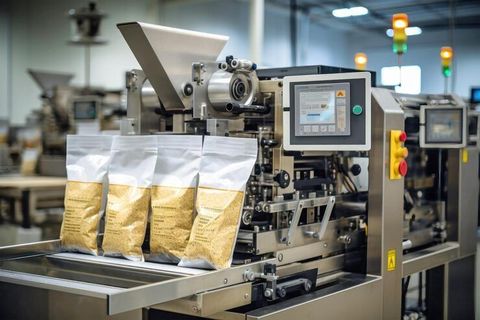
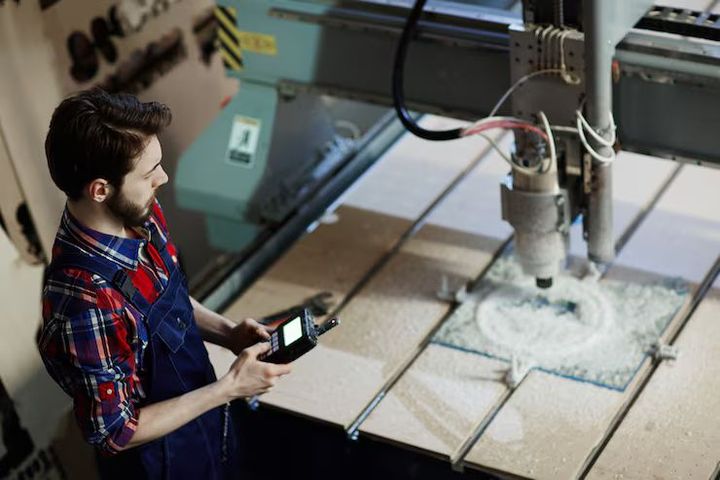
Computer Numerical Control (CNC) machines are automated manufacturing systems that use programmed instructions to carry out machining tasks such as cutting, drilling, milling, shaping, and finishing materials
CNC machines exist to solve a fundamental challenge in manufacturing: the need for accuracy, repeatability, and high-speed production. Unlike manual machining, CNC machines follow predefined codes to create identical parts with minimal human intervention. Today, they form the backbone of precision manufacturing and digital production, enabling industries to meet high-quality standards in automotive components, aerospace parts, medical devices, electronics, and industrial tooling.
The technology continues to expand through automation, advanced robotics, artificial intelligence, and digital simulation systems, making CNC machining one of the most reliable and adaptable processes in modern industry.
Importance — Why CNC Machines Matter Today
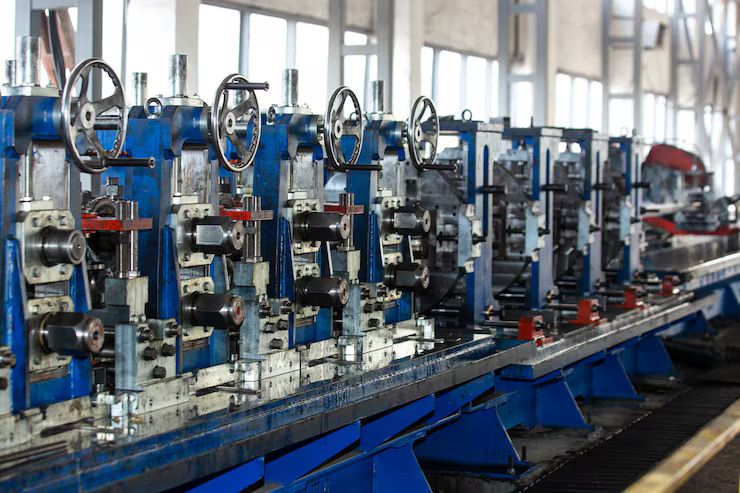
CNC machines play a vital role in global manufacturing because they address key industrial challenges such as accuracy, scalability, and operational efficiency. They influence various stakeholders including manufacturers, engineers, designers, production planners, and industries requiring tight tolerances and mass production capabilities.
Key reasons CNC machines matter:
-
Precision manufacturing
CNC systems create complex geometries with micron-level accuracy, essential for aerospace engineering, automotive assemblies, and electronic components. -
High productivity
Automated machining improves output and reduces human error, helping facilities maintain consistent production levels. -
Reduced downtime
Machines operate continuously and can be monitored through integrated software and industrial automation systems. -
Consistency and repeatability
Once a program is created, the machine can produce thousands of identical parts with no loss in quality. -
Design flexibility
Engineers can quickly modify digital models to create new prototypes or adjust existing products. -
Safety improvements
Automated operations reduce manual handling of heavy or hazardous materials. -
Support for Industry 4.0
CNC machines integrate with IoT sensors, cloud platforms, and predictive maintenance tools, improving real-time data visibility in smart factories.
These benefits make CNC machining indispensable for industries seeking reliability, sustainability, and long-term production efficiency.
Recent Updates — Trends and Innovations in 2024–2025
Rapid advancements in digital manufacturing continue to reshape how CNC machines are used across industries. The past two years introduced several developments that influence cost optimization, sustainability, and manufacturing speed.
Notable trends:
-
AI-Powered CNC Programming (2024)
New AI-based software reduces manual coding time, automatically optimizing tool paths and improving machining speed. -
Hybrid CNC Machines (2024–2025)
Machines combining additive manufacturing with subtractive machining gained popularity for prototyping and small-batch production. -
Smart Sensors and Predictive Maintenance (2025)
Embedded IoT sensors allow machines to detect wear, tool degradation, and vibration changes early, reducing unplanned downtime. -
Energy-Efficient Motors and Drives
Industries began adopting low-energy systems and regenerative drives to support sustainability goals. -
Digital Twins in Machining (2025)
Virtual replicas of CNC machines allow simulation and testing before actual production, reducing errors and material waste. -
Advanced Multi-Axis Machines
Five-axis and seven-axis CNC systems became more common in aerospace and precision engineering for complex contouring and surface finishing.
These innovations show how CNC technology continuously evolves to meet modern manufacturing requirements.
Laws, Standards, and Policies Affecting CNC Machines
CNC machines operate under multiple rules and safety frameworks to ensure worker protection, operational reliability, and product quality. Regulations vary by country, but most industrial regions follow similar standards for electrical safety, machine design, and industrial automation.
Common regulatory frameworks:
-
ISO 23125 — Safety standards for metal-cutting CNC lathes
-
ISO 16089 — Standards for CNC grinding machines
-
ISO 9001 — Quality management systems for manufacturing
-
IEC 60204-1 — Electrical safety for industrial machinery
-
OSHA Machine Guarding Standards — Safe installation and use of industrial equipment
-
Bureau of Indian Standards (BIS) — Technical and safety requirements for automated machines
-
European CE Compliance — Conformity for CNC machines used in European manufacturing environments
These policies help prevent workplace hazards, reduce machining errors, and ensure machines are built and operated according to global industrial norms.
Tools and Resources for CNC Machining
A wide range of tools, software platforms, and digital resources support CNC operations in factories, workshops, and engineering environments.
Helpful tools and resources:
-
CAD Software
Used to design components before machining. Examples include Fusion 360, SolidWorks, and AutoCAD. -
CAM Software
Converts designs into tool paths and code for CNC machines. Common platforms include Mastercam, HyperMill, and GibbsCAM. -
CNC Simulators
Allow safe testing of tool paths before actual execution to avoid collisions or errors. -
Industrial Automation Systems
SCADA, PLCs, and digital monitoring dashboards help track machine operations and maintain productivity. -
Tooling Databases
Provide cutting parameters, material guidelines, and tool selection charts. -
Maintenance Management Systems
CMMS tools help schedule routine inspections, monitor tool health, and store machine service records.
These resources make CNC operations more reliable, efficient, and easier to manage.
FAQs
What materials can be machined using CNC machines?
CNC machines support a wide range of materials including aluminum, steel, titanium, plastics, composites, and wood. Material selection depends on the application and required strength.
How accurate are modern CNC machines?
Most CNC machines offer tolerances within ±0.005 mm, and high-precision machines used in aerospace can achieve even finer accuracy.
What skills are needed to operate CNC machines?
Operators require knowledge of CAD/CAM software, tooling selection, machine calibration, and safety standards. Many roles also involve understanding industrial automation and digital monitoring.
Are CNC machines part of Industry 4.0?
Yes. CNC machines integrate with IoT sensors, cloud data systems, and smart controllers, allowing real-time monitoring, predictive analytics, and advanced automation.
What are multi-axis CNC machines used for?
Multi-axis machines are used to manufacture complex geometries such as turbine blades, aerospace structures, molds, and intricate mechanical components.
Conclusion
CNC machines remain one of the most essential technologies in modern manufacturing, enabling industries to achieve precision, consistency, and productivity at scale. The integration of digital tools, AI-driven programming, and smart sensors continues to strengthen the capabilities of CNC systems, making them a central component of Industry 4.0 and advanced industrial automation. As manufacturing needs expand across sectors such as automotive, aerospace, electronics, and medical engineering, CNC machines will continue to evolve, offering new possibilities in efficient and high-accuracy production.