A Guide to Capsule Filling Machines: Learn Processes, Tips, and Pharmaceutical Knowledge
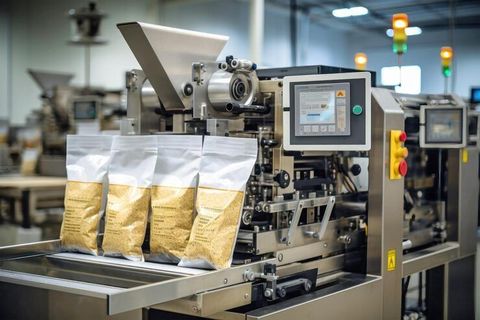
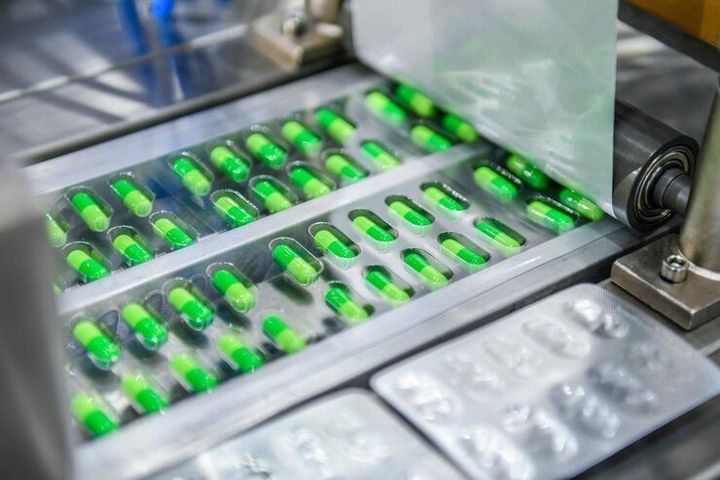
Capsule filling machines are specialized equipment used in pharmaceutical manufacturing to fill empty capsules with powders, granules, or liquids. They exist to ensure precision, uniformity, and efficiency in producing medication capsules, which are widely used for dosage delivery due to their convenience, stability, and patient compliance
capsules were filled manually, which limited production capacity and introduced variability. With the growth of the pharmaceutical industry and the demand for mass production, capsule filling machines became essential for standardized and high-speed manufacturing. They provide consistent dosage, reduce human error, and improve production throughput, making them a cornerstone of modern pharmaceutical operations.
The machines are integral not only in traditional pharmaceutical settings but also in nutraceuticals, dietary supplements, and emerging biotechnology applications.
Why Capsule Filling Machines Matter Today
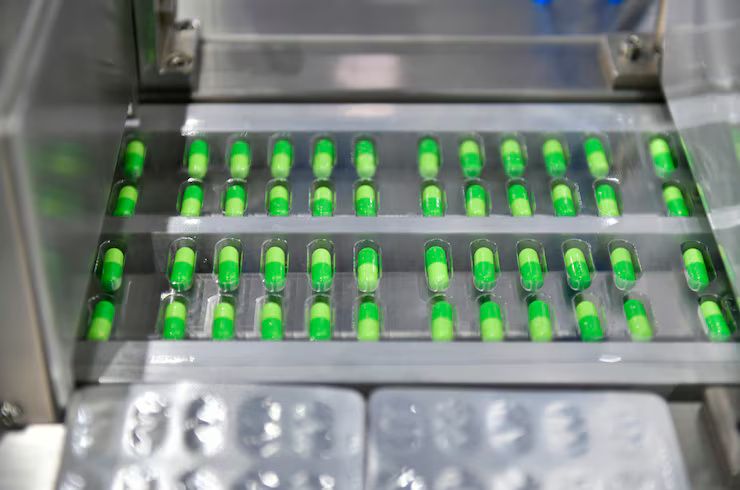
Capsule filling machines are critical for several reasons:
-
Accuracy and consistency: Ensures each capsule contains the correct amount of medication or supplement.
-
Efficiency and scalability: Supports large-scale production with reduced manual intervention.
-
Safety and compliance: Reduces contamination risks by minimizing human contact.
-
Adaptability: Machines can handle various capsule sizes, materials, and formulations.
-
Cost-effectiveness in production: Optimizes resource usage while maintaining quality standards.
These machines impact pharmaceutical manufacturers, supplement producers, and research laboratories, helping them meet regulatory standards and fulfill the growing demand for capsule-based products.
Recent Updates and Trends in Capsule Filling
Over the past year, several trends and updates have influenced capsule filling machines:
-
Integration with automation systems (2024–2025): Modern machines now integrate with automated weight control, capsule inspection systems, and packaging lines.
-
Advances in microdosing (2025): Precision filling for microcapsules and high-potency drugs has improved, enabling new pharmaceutical formulations.
-
Digital monitoring and IoT connectivity (2024): Real-time production data tracking allows predictive maintenance and efficiency optimization.
-
Regulatory alignment (2024–2025): Enhanced quality control features ensure adherence to Good Manufacturing Practices (GMP) and other regulatory guidelines.
-
Eco-friendly trends (2025): Some manufacturers are adopting energy-efficient machines and environmentally safe materials for capsule production.
These developments reflect the industry’s ongoing commitment to efficiency, safety, and technological advancement.
Laws, Policies, and Regulatory Considerations
Capsule filling machines operate under strict pharmaceutical regulations to ensure product safety and compliance:
-
Good Manufacturing Practices (GMP): Guidelines that ensure consistent quality in manufacturing and prevent contamination.
-
FDA and EMA regulations: Regulatory authorities in the United States and Europe set standards for machinery, production, and documentation.
-
Occupational safety standards: Machines must meet safety guidelines to protect operators and minimize risks.
-
Data integrity and traceability requirements: Production records, batch tracking, and inspection reports are mandatory under global regulations.
-
Government initiatives: Some countries offer programs to support modernization and technology upgrades in pharmaceutical manufacturing.
Understanding these regulations is essential for manufacturers to maintain compliance, reduce legal risk, and ensure patient safety.
Tools and Resources for Capsule Filling Operations
A variety of tools and resources assist manufacturers and operators:
Production and Monitoring Tools
-
Automated capsule inspection systems
-
Digital batch tracking and reporting software
-
Weighing and dosing calibration tools
Educational Resources
-
Industry guidelines on GMP compliance
-
Online tutorials and operational manuals
-
Manufacturer-provided machine training resources
Optimization and Analytics Tools
-
Machine efficiency dashboards
-
Predictive maintenance analytics
-
Quality control and defect tracking systems
Example Table: Capsule Filling Machine Types and Features
| Machine Type | Key Features | Typical Use |
|---|---|---|
| Semi-Automatic | Manual loading, automatic filling | Small-scale production |
| Fully Automatic | Automated loading, filling, and sealing | Large-scale pharmaceutical production |
| Microdosing | High precision for small quantities | High-potency drug production |
| Liquid Capsule Machines | Fill soft or liquid capsules | Nutraceutical and pharmaceutical liquids |
Frequently Asked Questions About Capsule Filling Machines
What types of capsules can these machines fill?
They can handle hard gelatin, soft gelatin, and vegetarian capsules, with powders, granules, or liquids depending on the machine type.
How do capsule filling machines ensure dosage accuracy?
Precision dosing systems, weight monitoring, and automated inspection features ensure each capsule contains the intended quantity.
Can a single machine handle multiple capsule sizes?
Many modern machines offer interchangeable tooling and adjustable settings for different capsule sizes.
What is the difference between semi-automatic and fully automatic machines?
Semi-automatic machines require manual intervention for loading or sealing, while fully automatic machines handle the entire process with minimal human involvement.
How do manufacturers maintain hygiene during capsule production?
Machines are designed with closed filling systems, easy-to-clean parts, and adherence to GMP standards to prevent contamination.
Conclusion
Capsule filling machines are essential tools in modern pharmaceutical manufacturing. They exist to ensure precise, efficient, and safe production of capsules for a wide variety of applications, from medication to dietary supplements. By integrating automation, monitoring, and regulatory compliance, these machines enhance production efficiency, maintain high-quality standards, and support the evolving needs of the pharmaceutical industry.