A Complete Guide to Vending Machines with Helpful Tips and Key Knowledge
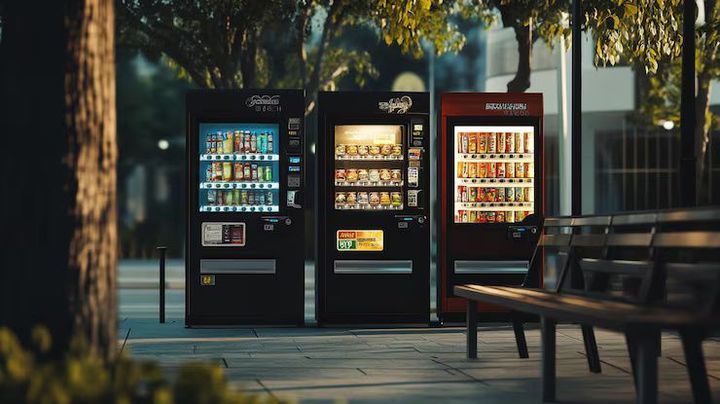
Vending machines are automated systems designed to distribute goods without the need for human staff. These machines exist to provide convenient, quick, and accessible options for items such as packaged snacks, beverages, personal essentials, and increasingly, advanced products like electronics and health-related items
vending machines evolved from simple mechanical units into high-tech systems that use digital screens, contactless payments, remote monitoring, and even artificial intelligence. Today, they appear in schools, hospitals, transportation hubs, workplaces, and public spaces, serving a wide mix of users throughout the day.
Importance: Why Vending Machines Matter Today
Vending machines play a meaningful role in modern infrastructure by addressing several practical needs for both consumers and organizations.
Convenience:
They offer round-the-clock accessibility, which makes them valuable in the fast-moving lifestyles of urban environments. Individuals are able to obtain commonly used items without waiting in queues or depending on staffed retail locations.
Workplace and Public Utility:
In professional environments and public buildings, vending systems help ensure that essential items remain available at all hours. This supports productivity, improves user comfort, and minimizes disruption during busy schedules.
Efficiency Through Automation:
Automation reduces manual labor in distribution and inventory handling. Technologies like cloud-based monitoring and automated stock tracking create more efficient management systems.
Support for Contactless Access:
Following increased awareness of hygiene and safety, vending machines gained importance as touch-free or minimal-contact distribution points, offering safer access to packaged goods. This aligns with rising interest in contactless technology and smart device integration.
Inclusivity:
Vending machines play a helpful role in locations lacking traditional retail infrastructure, such as remote campuses, industrial sites, transportation terminals, and healthcare facilities.
Recent Updates: Trends and Changes (2023–2025)
The vending industry has seen significant technological movement in the last two years, influenced by digital transformation, health preferences, and automated retail adoption.
1. Growth of Smart Vending (2023–2025)
Between 2023 and early 2025, vending systems increasingly utilized cloud connectivity, allowing remote inventory management, predictive restocking, and data-driven insights. Touchscreens and smart payment systems became more common in regions such as the US, UK, India, Japan, and Singapore.
2. Expansion of Digital Payment Integration (2024–2025)
By mid-2024, NFC payments, QR code systems, and mobile-wallet compatibility became standard. This trend strengthened in 2025 as consumers shifted further toward digital transaction ecosystems.
3. Health-Focused Vending (2023–2024)
Demand for healthier packaged food items grew in workplaces and universities. Machines offering nutrition-focused items became more visible in public spaces.
4. Rise of AI-Driven Monitoring (2024–2025)
AI-supported analytics, introduced widely after 2023, now help organizations predict user behavior, track popular products, and optimize machine placement.
5. Eco-Conscious Manufacturing Trends (2024)
There has been a notable increase in energy-efficient vending units using lower-consumption cooling systems and recyclable exterior materials.
Laws or Policies Affecting Vending Machines
Vending machines are influenced by several categories of regulations. These vary by country but generally address product safety, accessibility, electronic payments, hygiene, and operational compliance.
Product and Food Safety Regulations:
Machines distributing food items must meet packaging, labeling, and hygiene standards defined by national food safety agencies. Regulations include correct ingredient listing, expiry tracking, and allergen visibility.
Electrical and Equipment Safety:
Vending machines must comply with electrical safety codes, fire-prevention rules, and mechanical safety guidelines. Certification standards—such as CE marking in Europe or UL certification in the United States—ensure safe operation.
Taxation and Digital Payment Compliance:
Countries with digital payment oversight require machines to follow transaction reporting rules, especially when using electronic payments, cashless systems, or automated billing technologies.
Accessibility Requirements:
Several regions mandate accessibility-friendly features such as:
-
reachable product slots
-
readable display panels
-
inclusive interface design
These requirements ensure individuals with disabilities can use vending systems without difficulty.
Waste Management Policies:
Machines offering packaged items must comply with recycling and environmental guidelines set by national or municipal authorities, encouraging responsible waste handling.
Local Licensing:
Depending on jurisdiction, operators may require vending location permits, health certifications, or business registrations.
Tools and Resources for Understanding Vending Machines
Below is a set of helpful tools and platforms used by professionals, facility managers, and students researching retail automation or vending systems.
Table: Useful Tools and Platforms
| Category | Tools / Resources | Purpose |
|---|---|---|
| Digital Payment Systems | UPI Apps, NFC Wallets, Mobile Pay Platforms | Understanding contactless vending transactions |
| Automation Tools | IoT Dashboards, Remote Monitoring Apps | Machine tracking and performance checking |
| Data & Analytics | Cloud-based Inventory Management Tools | Usage insights and demand forecasting |
| Research & Industry Info | Statista, IEEE Research Library | Trends, technical papers, and market studies |
| Design & Layout Tools | Floor-Plan Makers, 3D Layout Planners | Planning machine placement in different spaces |
Additional Learning Resources
-
Public research articles on retail automation
-
Government guidelines on food safety and packaging
-
Technology reports on smart vending systems
-
Online courses covering IoT systems, machine automation, and digital transaction frameworks
These tools help researchers, facility administrators, and students understand how modern vending systems function and evolve.
FAQs
1. How do vending machines work?
Most vending machines use sensors or mechanical systems to dispense items once a user completes a selection and authorized payment. Contemporary machines use digital logic systems, cloud connectivity, and automated inventory tracking.
2. Are vending machines considered part of retail automation?
Yes. Vending machines are widely recognized as a segment of automation technology and self-service retail systems. They operate without direct human involvement.
3. Do vending machines require regulatory compliance?
Yes. Machines handling packaged foods and beverages must follow national food safety standards, electrical certifications, and local operational guidelines.
4. What types of items can modern vending machines distribute?
While traditionally associated with snacks and drinks, newer systems distribute personal essentials, electronics, educational tools, hygiene items, and other sealed products based on region and regulations.
5. How has technology changed vending machines?
Advancements like cashless transactions, touchscreens, AI-based monitoring, and IoT connectivity have transformed vending into a more efficient and data-driven system.
Conclusion
Vending machines continue to evolve as practical, automated systems that enhance accessibility and convenience across diverse environments. With developments in digital vending technology, contactless payment systems, and intelligent automation, they have become an integral part of modern infrastructure. Their importance is strengthened by changes in consumer behavior, workplace needs, and public expectations for efficient, hygienic, and always-available distribution systems.