Explore Women’s Fashion Trends: Insights into Seasonal Styles and Design Elements
Fashion is always evolving, and women’s clothing trends reflect broader shifts in culture, technology, and values. These trends guide what people wear—from streetwear to formalwear—and help designers and retailers understand consumer preferences
Clothing trends exist because they help balance creativity and practicality. Designers take inspiration from art, history, subcultures, and social movements, creating collections that resonate with consumers. Meanwhile, shoppers use trends to express identity, align with social values, and stay up-to-date with evolving aesthetics.
The rise of social media, fast fashion, and sustainability movements has accelerated how quickly trends are adopted and discarded. What’s “trendy” today often reflects how people shop and live, not just what looks good.
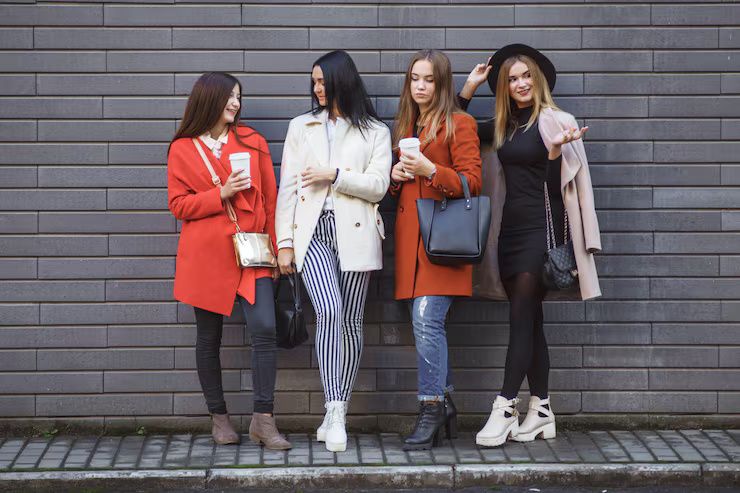
Importance — Why Women’s Clothing Trends Matter Today
Staying informed about clothing trends matters for several reasons:
-
Personal Style: Trends help individuals define their look and project personality through clothes.
-
Social Influence: Fashion trends connect to broader social movements—such as sustainability, gender expression, and cultural heritage.
-
Economic Impact: The fashion industry contributes significantly to global economies; understanding trends drives manufacturing, retail, and design.
-
Sustainability: Modern trends increasingly focus on eco-friendly fabrics, ethical production, and circular fashion, influencing how and what people buy.
-
Innovation: New trends often emerge alongside fabric technology, such as recycled materials and performance textiles.
These factors matter not just to fashion-conscious individuals but also to designers, retailers, and policymakers interested in responsible fashion.
Recent Updates — Key Trends in Women’s Clothing (2024–2025)
Here are some of the most influential clothing trends for women in 2025:
1. Sustainability and Eco-Fashion Take Center Stage
Consumers are increasingly choosing garments made from recycled polyester, organic cotton, and regenerated nylon. Brands are launching “eco-collections” with transparent supply chains and recyclable packaging.
2. Performance Meets Style
Athleisure evolves further into “athleisure luxe,” combining high-performance fabrics with elegant cuts. Think sleek track jackets, tailored joggers, and hybrid dresses that can shift from workout to dinner.
3. Nostalgic Fashion (Y2K and Retro Revivals)
Early 2000s styles remain relevant: low-rise jeans, cropped tops, slip skirts, and bold prints. But newer collections are mixing retro elements with tailored silhouettes for a polished yet playful feel.
4. Gender-Fluid and Androgynous Cuts
Women’s fashion increasingly embraces gender-neutral designs. Oversized blazers, wide-leg trousers, and minimalist shirts designed for all genders are gaining popularity.
5. Bold Colors and Prints
Vivid hues like neon green, hot pink, and electric blue are making a comeback, paired with bold geometric, floral, or abstract prints. These statement pieces are balanced with neutral basics.
6. Minimalism 2.0
After years of maximalism, minimalism is returning with a twist: clean lines, monochromatic palettes, and quality over quantity. The focus is on wardrobe staples that last.
7. Tech-Integrated Fashion
Smart textiles, such as temperature-regulating fabrics, UV-protective materials, and biodegradable performance wear, are being incorporated into mainstream women’s clothing.
8. Cottagecore and Romantic Aesthetics
Soft, pastoral themes are trending—ruffled blouses, floral maxi dresses, puff sleeves, and prairie skirts evoke a nostalgic, dreamy vibe rooted in nature and simplicity.
Laws or Policies — How Trends Are Shaped by Regulation and Ethics
Fashion does not operate in a vacuum. Several regulatory and ethical considerations influence how trends evolve and how clothing is produced.
-
Sustainability Regulations: Many countries and regions are pushing for stricter environmental standards in textile production. These include limits on water usage, chemical discharge, and carbon emissions in garment manufacturing.
-
Labor Laws: Social responsibility and fair wages are increasingly part of fashion business models. Brands are responding to consumer demand for transparency and ensuring that workers’ rights are protected.
-
Trade Policies and Tariffs: International trade policies affect fabric sourcing and manufacturing decisions, which in turn impact costs and design innovation.
-
Textile Recycling Mandates: Some regions are encouraging circular fashion through policies that support textile recycling programs and extended producer responsibility (EPR) for clothing brands.
-
Consumer Protection Regulations: These govern the accuracy of product descriptions, sustainability claims, and labeling (such as “organic” or “recycled”) to avoid greenwashing.
These policies help steer fashion trends toward more responsible, lasting, and transparent practices.
Tools and Resources — Useful Platforms for Trend Tracking and Fashion Planning
If you want to stay up-to-date with women’s clothing trends or use them in your wardrobe or business, here are some helpful tools and resources to explore:
-
Fashion Trend Forecasting Services: Tools that predict upcoming color palettes, silhouettes, and fabric directions (e.g., trend forecasting agencies and digital platforms).
-
Design Software: Programs like Adobe Illustrator, CLO 3D, or Marvelous Designer help you create digital fashion mockups and experiment with new styles.
-
Sustainability Calculators: Apps or web tools that estimate carbon footprint, water usage, or recyclability of garments.
-
Style Inspiration Platforms: Social media, fashion blogs, and image boards (like Instagram, Pinterest) for discovering patterns, colors, and styling ideas.
-
Second-Hand Marketplaces: Online platforms where you can buy or sell pre-loved, trendy fashion items (encouraging circular fashion).
-
Wardrobe Apps: Mobile tools that help you catalog clothing, plan outfits, and track wear frequency to promote more mindful consumption.
These resources support both individual fashion journeys and industry design processes.
Frequently Asked Questions (FAQs)
What defines a “trendy” piece of women’s clothing?
Trendiness often involves a combination of current cultural aesthetics, color palettes, fabric innovation, and silhouette evolution. A piece becomes trendy when it reflects popular social, environmental, or fashion sensibilities of the moment.
How can I follow fashion trends without overconsuming?
Focus on versatile and sustainable pieces, use resale and second-hand options, track your wardrobe usage with apps, and build a capsule wardrobe that grows thoughtfully.
Are sustainable fashion trends more expensive?
Not always. While some eco-conscious brands price higher due to material and labor costs, others are making affordable sustainable clothing. The long-term value often comes from quality, durability, and reduced waste.
How often do women’s clothing trends change?
Trends can evolve seasonally (twice a year for many fashion houses) but also respond to digital culture, social movements, and consumer behavior. Some trends remain for years; others fade quickly.
Which fabrics are trending in 2025 for women’s fashion?
In 2025, popular fabrics include recycled polyester, organic cotton, performance knits, smart textiles, and lightweight technical fabrics that combine style with function.
Conclusion
Women’s clothing trends in 2025 illustrate a rich blend of style, innovation, and ethics. From sustainable fabrics and gender-neutral designs to bold prints and smart textiles, today’s fashion landscape is as much about personal expression as it is about global conscience. These trends reflect a collective desire for authenticity, quality, and responsibility.