Explore Smart Home Integration: Insights into India’s Evolving Real Estate Landscape
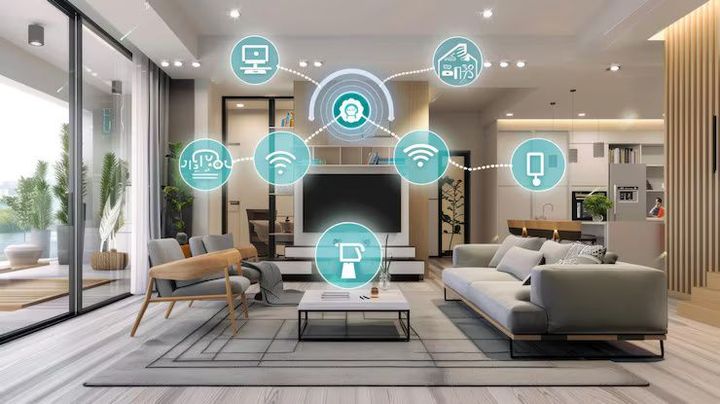
India’s real estate sector is witnessing a transformative shift as smart home integration becomes a defining feature of modern living. What was once considered a premium luxury for tech-savvy buyers is now entering the mainstream market. In 2025, smart technologies are not just enhancing comfort—they are reshaping how homeowners interact with their spaces and how developers design new projects
From AI-driven security systems to sustainable energy management, smart homes are redefining the urban lifestyle for millions of Indian residents. As the demand for connected living grows, developers are increasingly integrating technology into homes across all price segments, making digital convenience an everyday reality.
Key Trends Shaping Smart Home Integration
1. AI-Powered Security and Surveillance
Modern Indian homes are adopting AI-driven surveillance systems capable of recognizing faces, detecting unusual activities, and distinguishing between residents, guests, and delivery personnel. Real-time alerts, facial recognition, and cloud-based video analytics are becoming standard, setting new benchmarks for home security and peace of mind.
2. Voice Assistants and Seamless Automation
Voice-controlled technologies like Amazon Alexa, Google Assistant, and Apple Siri have become household essentials. Homeowners can now manage lighting, appliances, and even entertainment systems using simple voice commands. This growing integration of voice-enabled automation enhances daily convenience while fostering an intuitive connection between humans and their living spaces.
3. Energy Efficiency and Sustainable Living
Sustainability is a leading force in the smart home revolution. Automated lighting, smart HVAC controls, and real-time energy monitoring systems are helping residents reduce electricity consumption and carbon footprints. Developers are also focusing on green certifications such as IGBC, incorporating solar panels, rainwater harvesting, and smart grids into residential projects for long-term efficiency.
4. Health and Wellness Monitoring
Post-pandemic priorities have shifted toward wellness-oriented living. Homes are now equipped with air quality sensors, smart water filtration systems, and health-monitoring devices, creating indoor environments that promote physical and mental well-being. This focus on health-driven technology marks a new phase of intelligent living.
5. 5G Connectivity and Edge Computing
The rollout of 5G networks across India is accelerating the adoption of connected home ecosystems. Enhanced connectivity enables faster automation, smoother device interaction, and real-time control from anywhere. With edge computing, many smart home systems can now process data locally, improving speed, privacy, and system reliability.
How Developers Are Adapting to Smart Living Demand
Developers across India are rapidly adapting to this technology-driven market shift. Their strategies reflect growing consumer expectations for connectivity, efficiency, and sustainability.
-
Pre-Installed Smart Systems: Many new housing projects come equipped with automation-ready infrastructure, offering features like smart lighting, AI-driven security, and climate control from day one.
-
Sustainable Smart Communities: Builders are developing entire smart townships powered by solar energy, automated waste management, and water recycling systems. These communities emphasize sustainability and long-term cost efficiency.
-
Smart Rental Properties: The rental segment is evolving as well. Properties featuring automation and advanced security attract higher occupancy rates and are increasingly favored by millennial and Gen Z tenants.
Impact on Property Value and Buyer Preferences
Higher Resale Value
Homes equipped with smart technologies command 10–15% higher resale value compared to traditional properties. Buyers are willing to pay a premium for enhanced security, energy savings, and convenience.
Younger Buyer Demand
Millennial and Gen Z homebuyers prioritize connectivity, comfort, and sustainability over traditional amenities. For this generation, smart features are not optional—they’re essential components of modern living.
Expanding Market Growth
Metro cities such as Bengaluru, Mumbai, and Delhi NCR continue to lead smart home adoption. However, Tier-2 cities are rapidly catching up, driven by rising internet penetration, affordable devices, and the availability of integrated home solutions.
Core Technologies Powering Smart Homes
| Technology | Function | Benefits |
|---|---|---|
| Smart Lighting Systems | Automated and app-controlled lighting setups. | Energy savings and convenience. |
| IoT and Home Automation | Connected devices for centralized management. | Remote access and performance analytics. |
| Advanced Climate Control | AI-based thermostats and HVAC systems. | Efficient energy use and comfort. |
| Smart Security Systems | Cameras, motion sensors, and access control. | Enhanced safety and real-time alerts. |
| Voice and App Integration | Unified platforms for device control. | Streamlined user experience. |
These technologies together form the backbone of connected living, enabling data-driven decision-making and seamless inter-device communication.
Challenges and Future Outlook
While India’s smart home revolution is well underway, several challenges still shape its pace of adoption.
1. Integration Complexity
Retrofitting older homes with smart systems can be technically demanding and costly. Developers and tech providers are now focusing on simpler installation solutions and interoperable platforms to improve accessibility.
2. Data Security and Privacy
The growing number of connected devices raises valid concerns about cybersecurity and data privacy. To address this, manufacturers are implementing stronger encryption, while users are encouraged to adopt secure network practices.
3. Affordability and Accessibility
Although smart devices are becoming more affordable, most fully automated systems remain concentrated in mid- to premium housing segments. Broader adoption will depend on cost reductions, local manufacturing, and potential government incentives for energy-efficient housing.
The Road Ahead
The next phase of India’s real estate evolution lies in scalable smart infrastructure—not just individual homes but entire smart communities interconnected through shared energy systems, automated public facilities, and data-driven maintenance.
As AI, IoT, and 5G technologies continue to mature, smart home integration will evolve from a trend into a standard expectation across India’s housing market. By 2030, connected living will likely become the norm rather than the exception, making every home a hub of intelligence, sustainability, and comfort.
Conclusion
The integration of smart home technologies marks a turning point in India’s real estate journey. By blending innovation with sustainability, developers and homeowners alike are creating spaces that are safer, more efficient, and environmentally conscious.
As technology continues to advance, India’s smart homes represent more than just modern convenience—they symbolize a new era of responsible urban living, where every device, sensor, and system contributes to a more connected and sustainable future.